The Guardian view on regulating big tech: Meta has got off too lightly
The Guardian editorial on Meta's settlement with US states over child safety measures, highlighting the deal's shortcomings and the need for broader regulation.
Intelligence analysis by Qwen 2.5 (3B)
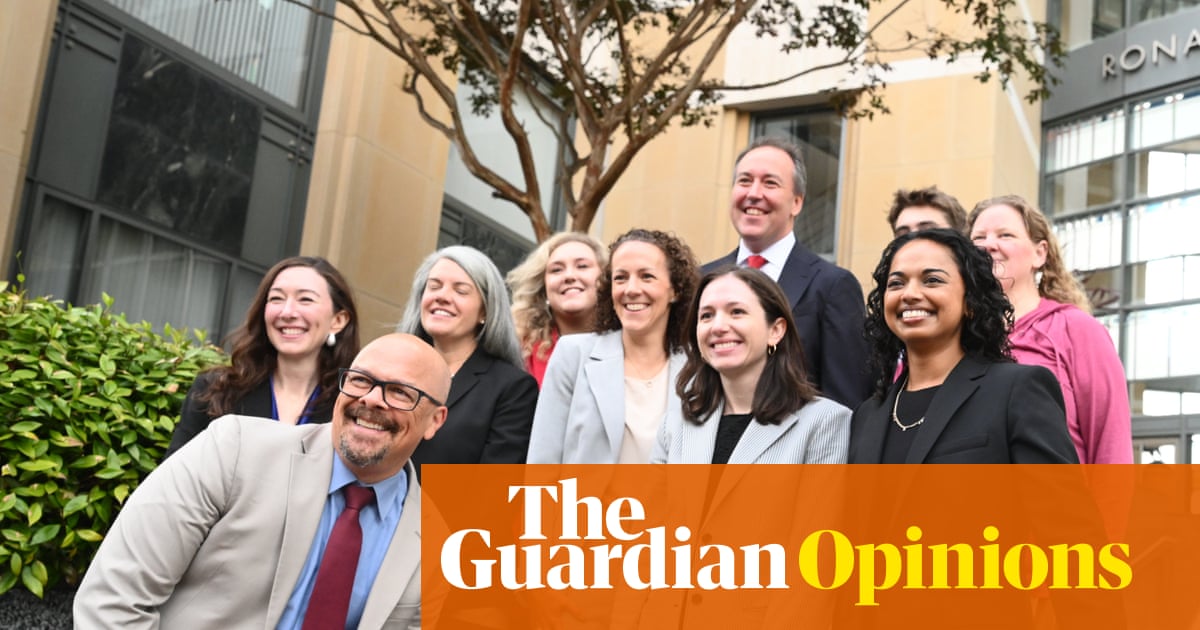
The Guardian criticizes Meta's settlement with US states over child safety measures, arguing that while safety features are improved, the broader risks posed by social media platforms remain unaddressed.
The Guardian says Meta agreed to pay $18 billion to US states to improve safety features for children on their platforms. But the editorial argues that this deal doesn't fix the bigger problems with social media, like how they make people addicted and can cause violence.
Analysis
{"
Meta's Settlement and Its Limitations":"The $18 billion settlement between Meta and US states over child safety measures is seen as a step in the right direction, but critics argue that it falls short of addressing the broader risks posed by social media platforms. The deal includes new safety features such as a two-hour daily limit, blocks on use during the night and on notifications during school hours, and compulsory age verification. However, critics argue that these measures are not enough to address the addictive, tribalist, and narcissistic behaviors that platforms are widely recognized to promote. The Guardian editorial argues that the deal's negotiators left crucial aspects of Meta's business, including its algorithms and addictive design features, largely untouched.","
Broader Risks of Social Media":"The editorial highlights the harm caused by big tech's monetisation of attention, including the risk of social media being linked to murderous violence and undermining democracy. The Guardian criticizes Meta for avoiding any admission of liability and for settling the case, which critics argue is a way to avoid addressing the broader risks posed by social media platforms.","
Next Steps for Regulation":"The editorial argues that it is now for other courts or foreign governments to take the next steps in holding Meta and its subsidiaries to account for their role as overseers of the global digital commons. The Guardian calls for stronger regulation of social media platforms to protect users, particularly children, from the risks posed by these companies."}
Key points
- Meta's settlement with US states over child safety measures is seen as a step in the right direction, but critics argue that it falls short of addressing the broader risks posed by social media platforms.
- The Guardian criticizes Meta for avoiding any admission of liability and for settling the case, which critics argue is a way to avoid addressing the broader risks posed by social media platforms.
- The editorial calls for stronger regulation of social media platforms to protect users, particularly children, from the risks posed by these companies.
The optimistic outlook is that other courts or governments will take action to regulate social media companies more strictly.
The pessimistic outlook is that social media companies will continue to avoid addressing the broader risks posed by their platforms, leading to continued harm.