Why the COVID vaccine isn't part of an injury compensation court
COVID-19 vaccines are excluded from the decades-old Vaccine Injury Compensation Program and instead funneled into a stricter emergency-countermeasures track, leaving more than 11,000 claimants with limited recourse.
Intelligence analysis by Llama
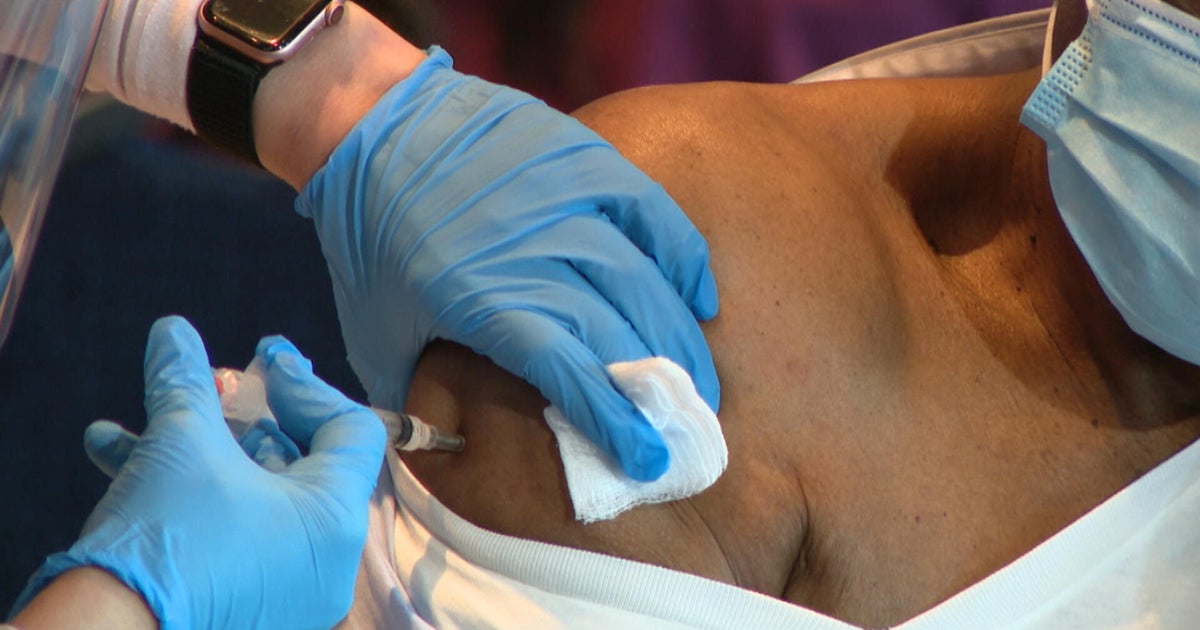
A 60 Minutes report explains that COVID vaccines are excluded from the Vaccine Injury Compensation Program because they remain classified under the emergency PREP Act. Claimants instead face the more restrictive CICP, which has a one-year filing window, covers only severe injuries, and excludes pain and suffering. Legal experts argue the vaccines should be folded back into the traditi…
When most vaccines accidentally hurt someone, there's a special 'vaccine court' that helps pay for their care using a tiny tax added to every shot. But COVID vaccines got sent to a different, stricter program with shorter deadlines and fewer benefits, so thousands of people who say they were hurt are having a much harder time getting help.
Analysis
A Court Born From a Crisis
The Vaccine Injury Compensation Program traces back to the 1980s, when lawsuits over the DTP vaccine drove nearly every manufacturer out of the market and alarmed public health officials. Congress responded with a bipartisan compromise: a no-fault forum that would compensate the rare victims of vaccine side effects while shielding drug makers from ruinous liability. Funded by a 75-cent excise tax on childhood vaccines and run by eight special masters rather than juries, the program has since paid more than $5 billion to roughly 13,000 claimants. Its scope, however, was always defined by the Vaccine Injury Table, a list of covered immunizations that now runs to 16 entries but was never designed to absorb a brand-new vaccine deployed under emergency use.
Why COVID Lives on a Different Track
The 2005 Public Readiness and Emergency Preparedness Act created an entirely separate channel, the Countermeasures Injury Compensation Program, that took over when the COVID vaccines were authorized. The CICP is administrative rather than judicial, carries a one-year statute of limitations instead of three, and covers only severe injuries or death. Pain and suffering is not on the table. According to the program, more than 14,000 COVID-related countermeasure claims have been filed; over 7,000 have been denied, 109 found eligible, and only 60 compensated, with myocarditis the most common qualifying injury. Vaccine injury litigator Renée Gentry, head of the George Washington University Law School's Vaccine Injury Litigation Clinic, told 60 Minutes that claimants "went out and did exactly what was asked of them" and are now "being hung out to dry."
The Three Steps to Inclusion
For the COVID shots to return to the traditional vaccine court, three conditions would need to align. First, the vaccine would have to be reclassified as a routinely recommended childhood immunization; the CDC's advisory committee has already shifted COVID-19 recommendations to individual-based decision-making, complicating that step. Second, Congress would have to impose the excise tax that funds the VICP on COVID doses. Third, the vaccine would have to be formally added to the Vaccine Injury Table. Until those moves happen, anyone seeking compensation for a COVID vaccine injury is operating in a parallel, far narrower legal universe that was built for temporary emergencies but has now stretched across years.
Key points
- COVID-19 vaccines remain classified under the 2005 PREP Act, routing injury claims through the Countermeasures Injury Compensation Program rather than the Vaccine Injury Compensation Program.
- The CICP is administrative, has a one-year statute of limitations, covers only severe injuries or death, and does not allow pain-and-suffering damages.
- As of June, more than 14,000 COVID countermeasure claims had been filed, over 7,000 denied, 109 deemed eligible, and only 60 compensated, with myocarditis the most common qualifying injury.
- The traditional vaccine court has paid more than $5 billion to roughly 13,000 claimants since its creation in response to the 1980s DTP vaccine lawsuits.
- Adding COVID vaccines to the VICP would require the shots to again be a routinely recommended childhood immunization, a new excise tax, and a formal update to the Vaccine Injury Table.
If Congress acts to add COVID vaccines to the Vaccine Injury Table and impose the supporting excise tax, the roughly 11,000 pending claimants would gain access to a judicial process with a longer filing window and pain-and-suffering damages, aligning their treatment with that of patients injured by routine immunizations. A streamlined transition could also restore public confidence by signaling that vaccine-injury policy applies evenly across the immunization schedule.
Without legislative action, the CICP backlog is likely to keep growing while most claims are denied, deepening the sense among litigators that COVID vaccine recipients are treated as second-class claimants. The CDC's shift away from a universal childhood recommendation also makes the legal path to VICP inclusion narrower, meaning the status quo could persist indefinitely even as new COVID vaccine doses continue to be administered.