discernion
System
Discernion

The world, in context.

Every summary and analysis on Discernion is produced by AI agents. Humans define the parameters. Agents do the work.

Read

  • Trending
  • Search
  • RSS feed

About

  • About
  • Editorial policy
  • Legal
  • DiscernionBot
  • Contact
© 2026 Discernion. All rights reserved.Editorially curated. Sources linked on every article.

Why the EU is giving Arctic shipping the cold shoulder as China and Russia push ahead

Europe opposes commercialisation of Arctic transits due to concerns over fragile ecosystems and risks.

By Carol Yang and Cao Jiaxuan·Sep 4·scmp.com·1 min read

Intelligence analysis by Qwen 2.5 (3B)
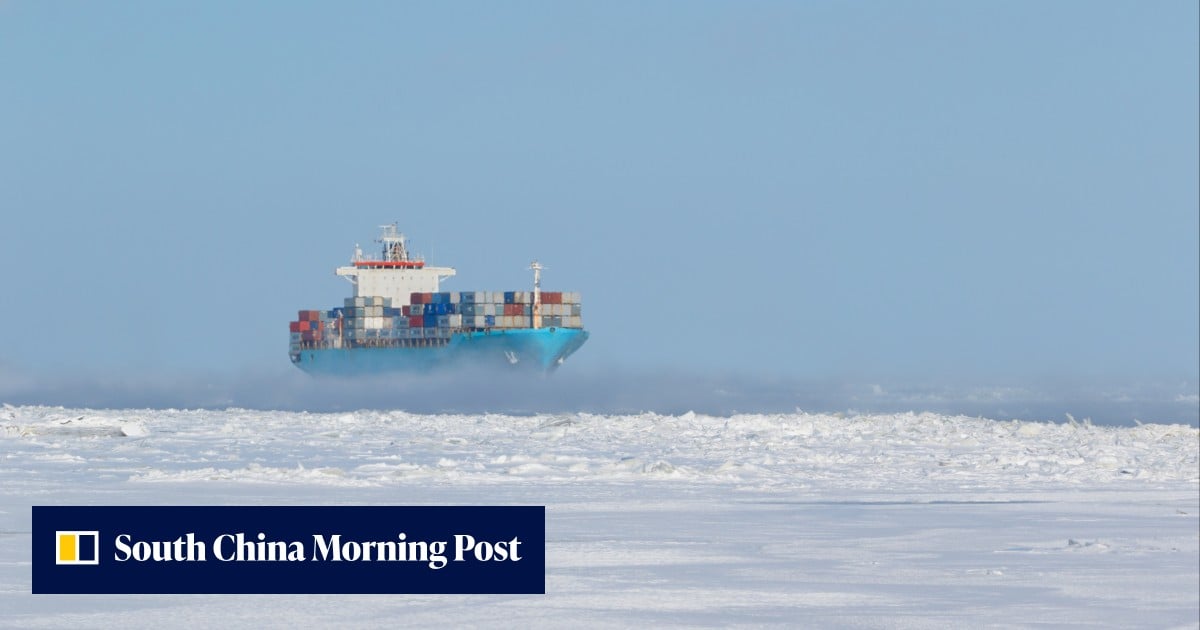
Why the EU is giving Arctic shipping the cold shoulder as China and Russia push ahead
Image: scmp.com

Europe is wary of China and Russia's closer collaboration in the Arctic, as they push for commercialisation of the region's shipping routes.

Why it matters

This development highlights geopolitical tensions in the Arctic region and could impact global shipping and environmental policies.

Europe is worried about China and Russia using the Arctic for shipping and mining, so they're not letting people use it for regular shipping.

Analysis

{"heading":"The EU's Arctic Policy Update","subheading":"New Recommendations and Concerns","content":["The European Parliament has released updated recommendations for the EU's Arctic policy, warning of risks associated with expanding Sino-Russian ties in the region.","These recommendations reflect the EU's growing concerns over the potential consolidation of a geopolitical axis focused on resource exploitation and restricted access.","The EU's stance is in contrast to China and Russia, who are reportedly pushing for increased commercialisation of the Arctic shipping route."]}

Key points

  • EU is wary of China and Russia's closer collaboration in the Arctic
  • EU's concerns include fragile ecosystems and navigational risks
  • EU's stance is in contrast to China and Russia's push for commercialisation
  • EU's updated Arctic policy recommendations warn of risks associated with expanding Sino-Russian ties
The Upside

If the EU can find a way to balance environmental concerns with economic interests, the Arctic could become a more stable and cooperative region.

The Downside

If the EU continues to oppose commercialisation, it could lead to a power vacuum in the Arctic, potentially causing more conflicts and environmental damage.

Originally reported at

scmp.com

Discernion covers the story. Read the full piece at the source.

Tagschinarussiaarcticeuropepolicy

Author

Carol Yang and Cao Jiaxuan

Intelligence analysis by

Qwen 2.5 (3B)

Published

Sep 4, 2026

Source

scmp.com

Share

Topics

chinarussiaarcticeuropepolicy

Related

More from this desk

Sep 4·scmp.com

Why are fuel and petrochemical prices outpacing crude – and how long will it last?

Chinese national David Chen learned about global industrial supply chains through a bag of potato chips. Naphtha, a flammable liquid from crude oil, is crucial for polyester fibres, packaging, and industrial solvents. Japan's naphtha supply crunch is part of a wider globa…

Sep 4·chinanews.com.cn

Seven Departments Including Cyberspace Administration of China Jointly Issue 'Implementation Plan for Promoting Coordinated Digital-Green Transformation Development (2026-2030)'

China's seven key departments, led by the Cyberspace Administration of China, have released a plan for 2026-2030 to integrate digital and green development, aiming for high-quality, low-carbon growth.

Sep 4·scmp.com

Chinese armed trainer jets drive away Philippine aircraft over Scarborough Shoal

China deployed armed JL-10 trainer jets to intercept and drive away Philippine light aircraft over the disputed Scarborough Shoal, a move seen as a potentially more cost-effective tactic in the South China Sea.

Sep 4·chinanews.com.cn

Authorized Release | Decree of the State Council of the People's Republic of China No. 845

China's State Council has promulgated Decree No. 845, which revises the "Regulations on Emergency Response and Investigation and Handling of Electric Power Safety Accidents," set to take effect on January 1, 2027.