Why These Cities Are the Best Places to Live in the World
The Economist's Global Livability Index 2026 has ranked the top 10 cities in the world to live in. Copenhagen has taken the top spot for the second year in a row, followed by Vienna, Melbourne, Sydney, and Zurich. The index evaluates 173 cities across the globe, consideri…
Intelligence analysis by Llama
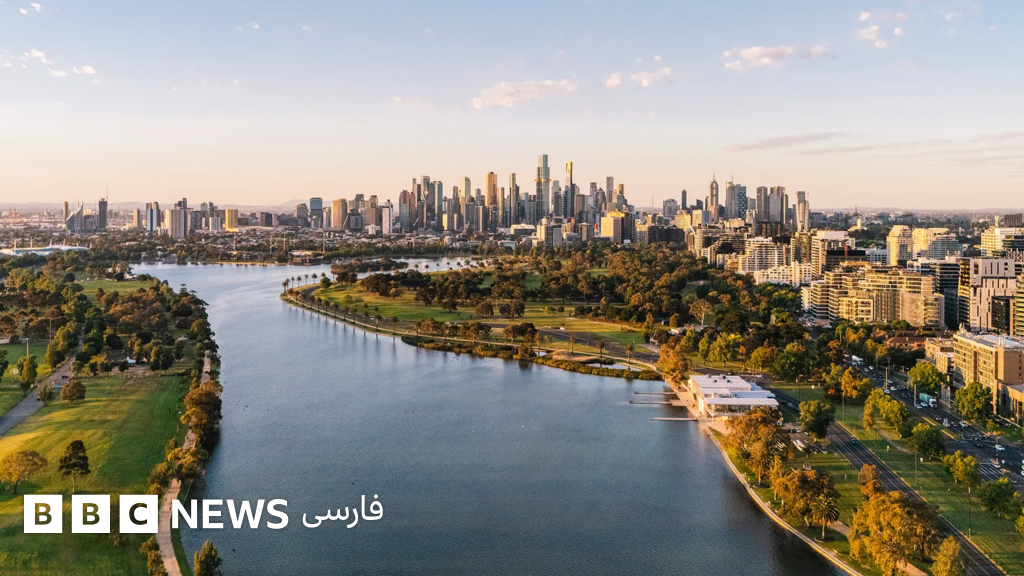
The top 10 cities in the world to live in, according to the Economist's Global Livability Index 2026, are Copenhagen, Vienna, Melbourne, Sydney, Zurich, Geneva, Osaka, Adelaide, Vancouver, and Tokyo. These cities offer a high quality of life, excellent healthcare, and a strong sense of community.
Imagine a city where you can ride a bike to work, swim in the ocean, and enjoy a beautiful park. That's what it's like to live in one of the top 10 cities in the world, according to the Economist's Global Livability Index 2026. These cities offer a high quality of life, excellent healthcare, and a strong sense of community. They're the perfect place to live, work, and play.
Analysis
A City for All Seasons: Copenhagen's Secret to Success
Copenhagen, the capital of Denmark, has taken the top spot in the Global Livability Index 2026 for the second consecutive year. The city's unique blend of stability, healthcare, culture, environment, education, and infrastructure has made it an attractive destination for residents and visitors alike. With its picturesque canals, vibrant cultural scene, and commitment to sustainability, Copenhagen is a city that has something for everyone.
The Perfect Blend: Vienna's Secret to Success
Vienna, the capital of Austria, has come in second in the ranking. The city's perfect blend of stability, healthcare, culture, environment, education, and infrastructure has made it an attractive destination for residents and visitors alike. With its rich cultural heritage, stunning architecture, and world-class museums, Vienna is a city that is steeped in history and culture.
A City of Opportunity: Melbourne's Secret to Success
Melbourne, the capital of Victoria, has come in third in the ranking. The city's unique blend of stability, healthcare, culture, environment, education, and infrastructure has made it an attractive destination for residents and visitors alike. With its vibrant cultural scene, stunning architecture, and commitment to sustainability, Melbourne is a city that is full of opportunity and possibility.
A City of Beauty: Sydney's Secret to Success
Sydney, the capital of New South Wales, has come in fourth in the ranking. The city's unique blend of stability, healthcare, culture, environment, education, and infrastructure has made it an attractive destination for residents and visitors alike. With its stunning beaches, iconic landmarks, and commitment to sustainability, Sydney is a city that is full of beauty and wonder.
A City of Innovation: Zurich's Secret to Success
Zurich, the capital of Switzerland, has come in fifth in the ranking. The city's unique blend of stability, healthcare, culture, environment, education, and infrastructure has made it an attractive destination for residents and visitors alike. With its commitment to innovation, sustainability, and quality of life, Zurich is a city that is always pushing the boundaries of what is possible.
Key points
- Copenhagen has taken the top spot in the Global Livability Index 2026 for the second consecutive year.
- Vienna has come in second in the ranking.
- Melbourne has come in third in the ranking.
- Sydney has come in fourth in the ranking.
- Zurich has come in fifth in the ranking.
- The ranking highlights the best cities to live in, work in, and visit.
- The cities are evaluated based on factors such as stability, healthcare, culture, environment, education, and infrastructure.
The ranking provides a positive outlook for cities that are committed to sustainability, innovation, and quality of life. These cities are likely to attract businesses, talent, and visitors, making them a great place to invest and live.
The ranking also highlights the challenges that cities face in terms of stability, healthcare, culture, environment, education, and infrastructure. Cities that struggle with these issues may face difficulties in attracting businesses, talent, and visitors.