Wife's demand to separate from widowed mother-in-law is cruelty: Calcutta High Court
Calcutta High Court upheld a divorce decree for a husband, ruling that his wife's insistence on living apart from his dependent widowed mother, alongside unsupported allegations, constituted mental cruelty.
Intelligence analysis by Llama
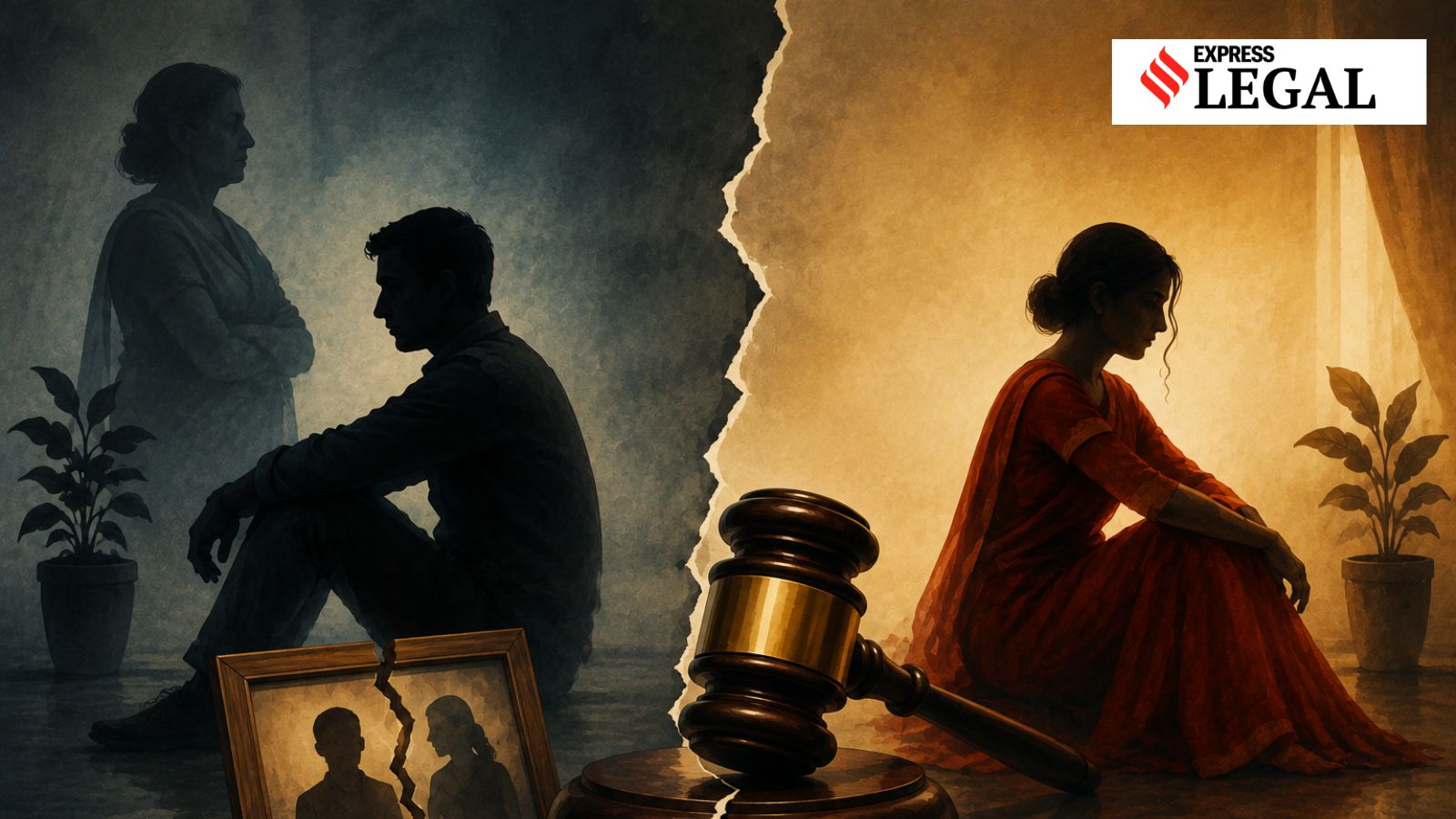
A division bench of the Calcutta High Court upheld a husband's divorce, finding his wife's demand to live separately from his widowed mother and her unsupported allegations amounted to mental cruelty. The court stressed, however, that seeking a separate home is not cruelty in itself.
A husband and wife were fighting about whether she should live in the same house as his widowed mom. The court said a wife can want her own home, but in this case, the husband's mom needed him, and the wife kept making big claims without proof, so the court called that cruelty and let the husband get divorced.
Analysis
Justices Sabyasachi Bhattacharyya and Supratim Bhattacharya
The bench of Justices Sabyasachi Bhattacharyya and Supratim Bhattacharya walked a careful line in the August order, simultaneously acknowledging that Indian families have moved past the idea that a wife is obligated to serve her husband's household and reaffirming that such a liberal view cannot be stretched without limits. According to the court, a wife's wish to set up a separate home is not cruelty per se, but in this particular case the demand had to be read against the backdrop of a widowed mother who is dependent on the husband. The court found that the wife's narrative was undermined by repeated, serious allegations that were never backed by evidence or corroborated witnesses, which in its view turned a personal preference into a pattern of mental cruelty.
June 2009 marriage under the Special Marriage Act
The couple were married in June 2009 under the Special Marriage Act, and a child was born in April 2013, the wife told the court. The bench noted that the parties had cohabited for roughly five years after the wedding, with the wife eventually leaving the matrimonial home in April 2014 and the pair remaining separated since December 2014. Counsel for the wife, advocate Sanjay Mukherjee, argued that her request for a separate residence was aimed at shielding her child from alleged mistreatment by the mother-in-law, and that the lodging of criminal complaints does not by itself amount to cruelty. The bench, however, was unmoved: the wife had not approached the police, child welfare authorities, or any potential witness to substantiate her most serious claim, including an allegation of molestation of her minor son.
The husband, Shyamal Chakraborty's framing
Represented by advocate Shyamal Chakraborty, the husband contended that the wife's insistence was effectively a demand to sever ties with his widowed mother, who depended on him, and that her threats of false cases amounted to coercion constituting mental cruelty. He further alleged that she repeatedly visited his business premises, used abusive language, damaged property in front of customers, and undermined his standing in the community, despite his objections. The bench accepted that while irretrievable breakdown is not itself a ground for divorce under either the Special Marriage Act or the Hindu Marriage Act, the consistent pattern of behaviour over considerable separation periods justified the cruelty finding. The ruling underscores that the legal test for mental cruelty remains fact-specific, hinging on the social and educational context of the spouses rather than any fixed checklist.
Key points
- Calcutta High Court upheld a divorce decree, holding the wife's demand to live apart from her widowed mother-in-law constituted mental cruelty in this case
- Justices Sabyasachi Bhattacharyya and Supratim Bhattacharya stressed that seeking a separate home is not cruelty per se, but must be assessed in family context
- The court found the wife's serious allegations, including an alleged molestation of her minor son, were unsupported by evidence or corroborating witnesses
- The couple married in June 2009 under the Special Marriage Act and had been separated since December 2014 after roughly five years of cohabitation
- The husband, represented by advocate Shyamal Chakraborty, argued the wife's threats of false cases amounted to coercion and mental cruelty
The bench's explicit recognition that Indian society has progressed beyond the patriarchal expectation that a wife must serve her husband's family signals that future courts may continue to give weight to a spouse's preference for independent living. A more nuanced approach to cruelty could allow couples to negotiate living arrangements without one party fearing that an honest disagreement will end their marriage.
By tying the wife's demand for a separate home to mental cruelty largely because of the husband's dependent mother, the ruling could be read as reinforcing traditional joint-family expectations and pressuring women to remain in households they find untenable. The court's reluctance to credit serious allegations that were not independently corroborated may also discourage women from raising grievances without first securing documentary evidence, even when doing so is difficult in domestic settings.