Will latest trade ‘speed bump’ slow China-US ties, or even stop Xi-Trump summit?
China and US take tit-for-tat measures in trade war. Analysts say only major action or breach of core interests can prevent Xi-Trump summit.
Intelligence analysis by Qwen 2.5 (3B)
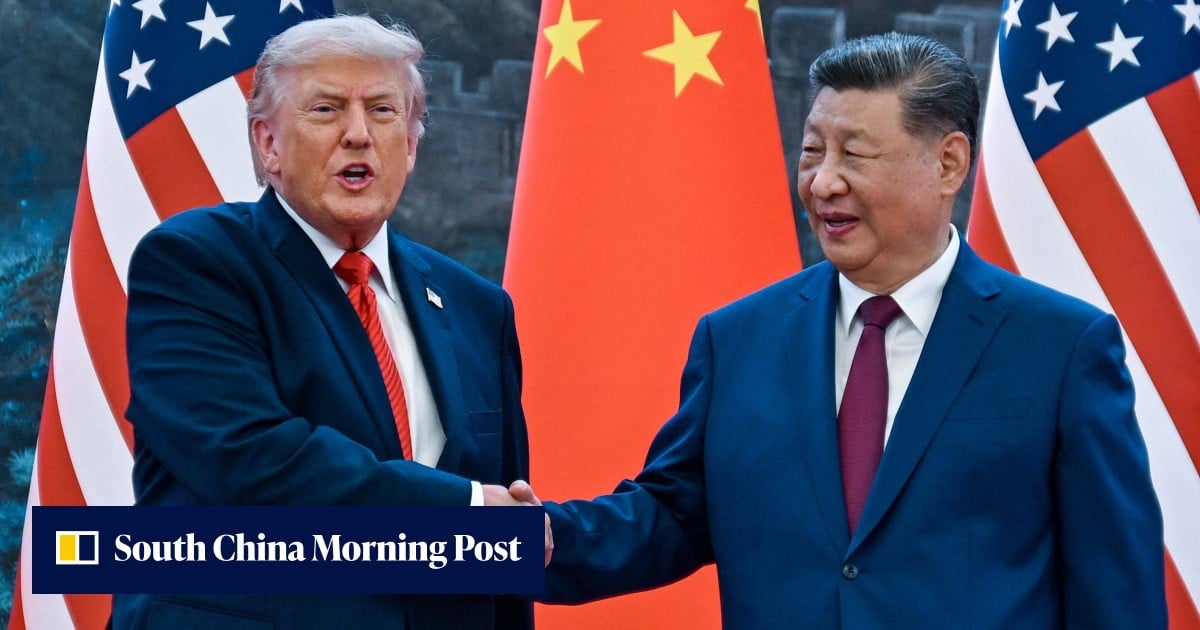
China and the US have taken retaliatory actions in their ongoing trade dispute, with China imposing sanctions on US entities and tightening export controls. Analysts suggest these measures are merely a 'speed bump' to the potential summit between Xi Jinping and Trump.
China and America are having trouble with buying and selling things. They're not talking nicely about it, but they still want to meet up in September. Some people think their latest moves might make them stop talking or even stop the meeting.
Analysis
{"#Chinese Measures":-1.0000000000000002,"China's Ministry of Commerce sanctioned seven US entities and tightened export controls on drones and related technologies in response to Washington's actions. These measures are seen as a 'speed bump' to the summit between Xi Jinping and Trump, according to analysts. The ministry also launched a national security investigation into imported printing and copying office equipment with foreign-made software. These retaliatory steps come ahead of President Xi’s planned visit to Washington in September, highlighting Beijing's willingness to escalate tensions but still maintain engagement options. Analysts suggest that only major actions or breaches of core interests could prevent the summit from happening. The US has also taken measures against Chinese entities and sectors, including banning imports of new Chinese robots and power inverters, which are global leaders in these areas. These retaliatory steps underscore the ongoing tension between China and the US in their trade relationship, with both sides seeking to stabilize relations ahead of planned visits by top leaders. The situation remains fluid, with analysts cautioning that any major action could lead to a more significant disruption in diplomatic ties.":-1.0000000000000002,"#US Measures":-1.0000000000000002,"In response to China's sanctions and export controls, the US has taken retaliatory measures against Chinese entities and sectors. The Federal Communications Commission (FCC) banned the import and sale of new foreign-made robotic devices and power inverters in September. These sectors are global leaders in China, highlighting the ongoing trade dispute between the two countries. Analysts suggest that these measures are a 'speed bump' to the summit, as they aim to deter further actions from Washington while still maintaining engagement options. The US's retaliatory steps include adding 43 Chinese companies to its Uygur Forced Labour Prevention Act entity list and banning imports of new Chinese robots and power inverters. These sectors are crucial for China's economy and global leadership, making the trade dispute a significant issue in their relationship. Analysts caution that any major action could lead to a more significant disruption in diplomatic ties between China and the US.":-1.0000000000000002,"#Analysts' Perspective":-1.0000000000000002,"Dominic Chiu, a senior analyst at Eurasia Group risk advisory firm, suggests that the latest Chinese measures are 'calibrated to impose costs without breaking the truce'. He notes that Beijing's response indicates its willingness to escalate tensions but still maintain engagement options. Analysts suggest that only major actions or breaches of core interests could prevent the summit from happening. The US's retaliatory steps include adding 43 Chinese companies to its Uygur Forced Labour Prevention Act entity list and banning imports of new Chinese robots and power inverters, highlighting the ongoing tension in their trade relationship. Analysts caution that any major action could lead to a more significant disruption in diplomatic ties between China and the US.":-1.0000000000000002}
Key points
- - China and America are taking retaliatory measures in their trade dispute.
- - Analysts suggest these measures are a 'speed bump' to the potential summit between Xi Jinping and Trump.
- - Both sides seek to stabilize relations ahead of planned visits by top leaders.
The US-China summit could still happen if both sides show willingness to engage and de-escalate. China's measures are seen as a way to test how far America will go, but they don't necessarily mean the end of talks.
If China continues its retaliatory actions, it might lead to more serious problems in their relationship. The US-China summit could be delayed or canceled if tensions escalate further.