Chinese media hits back after US think tank hails 46% drop in Chinese student visas
A US think tank report celebrating a significant drop in student visas for Chinese and Indian nationals, citing national security benefits, has drawn sharp criticism from Chinese state media.
Intelligence analysis by Gemini 2.5 Flash
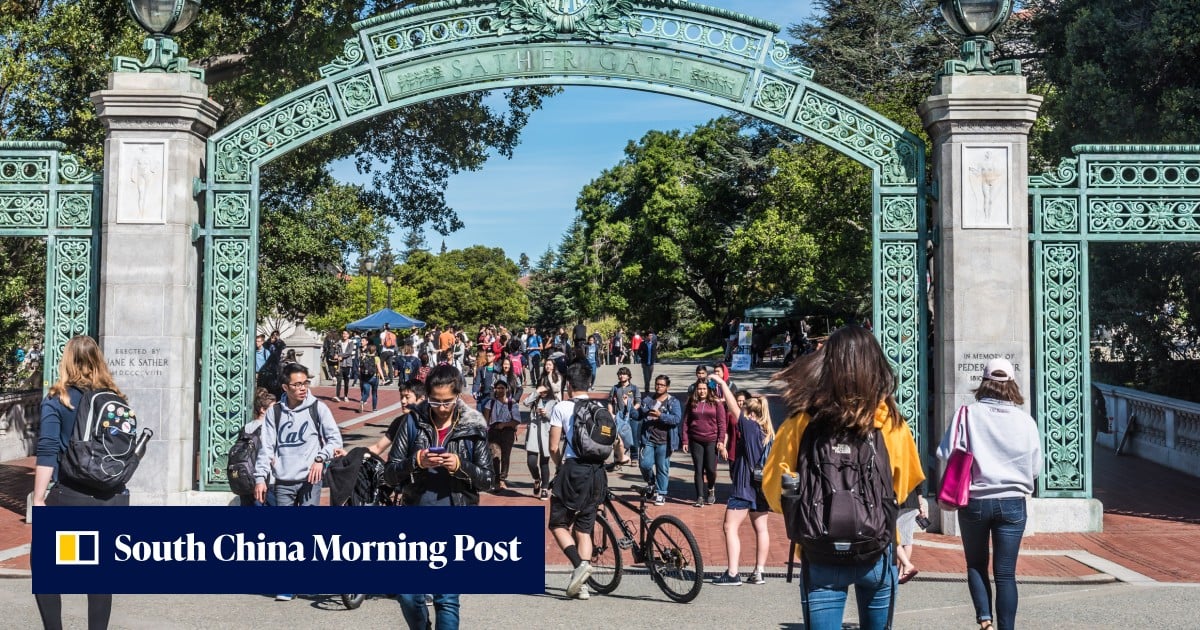
A report by the US-based Centre for Immigration Studies (CIS) highlighted a 46% decline in F-1 student visas for Chinese nationals, suggesting this benefits American students and national security by reducing espionage risks. This has provoked a strong response from Chinese media, particularly the Global Times, which refutes the security claims and attributes the visa decline to US po…
Imagine two big countries, America and China, used to let lots of students visit each other's schools. But now, America is letting fewer Chinese students in, saying it's to keep secrets safe. China is upset, saying America is just being mean and making up excuses, and that it's unfair to students who just want to learn. It's like when kids stop playing together because one thinks the other is trying to cheat, even if they just want to play fair.
Analysis
Centre for Immigration Studies (CIS)
The Washington-based Centre for Immigration Studies (CIS) published a report analyzing US State Department data, which revealed a significant decline in F-1 student visas issued to Chinese and Indian nationals. Specifically, visas for Chinese students dropped by 46% and for Indian students by 60% compared to previous average levels. The report framed this decline as a positive development, asserting that it could "greatly benefit American students and national security."
The CIS report explicitly argued that a reduction in the number of students from the People's Republic of China (PRC) attending US colleges and universities would lead to a decrease in overall espionage and technology theft on campuses. This perspective directly links academic exchange with national security risks, suggesting that fewer Chinese students inherently translates to a safer environment for US intellectual property and strategic interests. This stance has been a recurring theme in certain US policy circles regarding China.
Global Times
China's nationalistic Global Times tabloid swiftly responded to the CIS report with a commentary, vehemently rejecting its claims. The Global Times accused the CIS of "recycling claims that Chinese students could pose security risks" and of actively "politicising normal academic exchanges." It challenged the report to provide concrete evidence demonstrating how overseas students have threatened US security, implying a lack of factual basis for the accusations.
The commentary from the Global Times further asserted that the sharp drop in visas for Chinese students was not due to the uncovering of "spies" among them. Instead, it attributed the decline directly to "a series of US political manoeuvres," including the suspension of interviews, comprehensive social media screening, layered background checks, and public statements advocating "enhanced scrutiny" for students from specific countries. This highlights China's view that the US is deliberately creating barriers under the guise of security.
F-1 student visas
The F-1 student visa, which allows international students to pursue academic studies and language training programs in the United States, has become a focal point in the broader US-China geopolitical competition. The reported 46% drop in these visas for Chinese nationals signifies a substantial reduction in the flow of Chinese students to American educational institutions. This trend, if sustained, has profound implications for both countries, affecting university finances, research collaboration, and long-term diplomatic ties.
The politicization of the F-1 visa process, as alleged by Chinese media, suggests that decisions regarding student entry are increasingly influenced by national security concerns rather than purely academic merit. The US measures, such as social media screening and enhanced background checks, are perceived by China as discriminatory and politically motivated. This situation not only deters potential Chinese students but also risks alienating a generation that might otherwise foster stronger bilateral understanding and cooperation.
Key points
- A US think tank, CIS, reported a 46% drop in F-1 student visas for Chinese nationals and 60% for Indian nationals.
- CIS framed this decline as beneficial for US national security and American students, citing reduced risks of espionage and technology theft.
- Chinese state media, particularly the Global Times, strongly criticized the report, calling it politicized and lacking evidence for security threats.
- China attributes the visa drop to US political maneuvers, including enhanced scrutiny and background checks, rather than actual espionage.
- The issue highlights growing tensions in US-China relations, impacting educational exchanges and potential future collaboration.
If both nations can find a way to separate genuine security concerns from academic exchange, a more transparent and fair visa process could be established. This might allow for the resumption of educational ties, fostering mutual understanding and scientific collaboration, which could ultimately benefit global innovation and diplomacy.
The continued politicization of student visas could lead to a further decline in academic exchanges, isolating students and researchers from both countries. This could hinder scientific progress, reduce cultural understanding, and exacerbate geopolitical tensions, potentially leading to a brain drain from the US or a more insular academic environment in China.