‘Decades of heartbreak’: Chinese women switched at birth 37 years ago live 4km apart
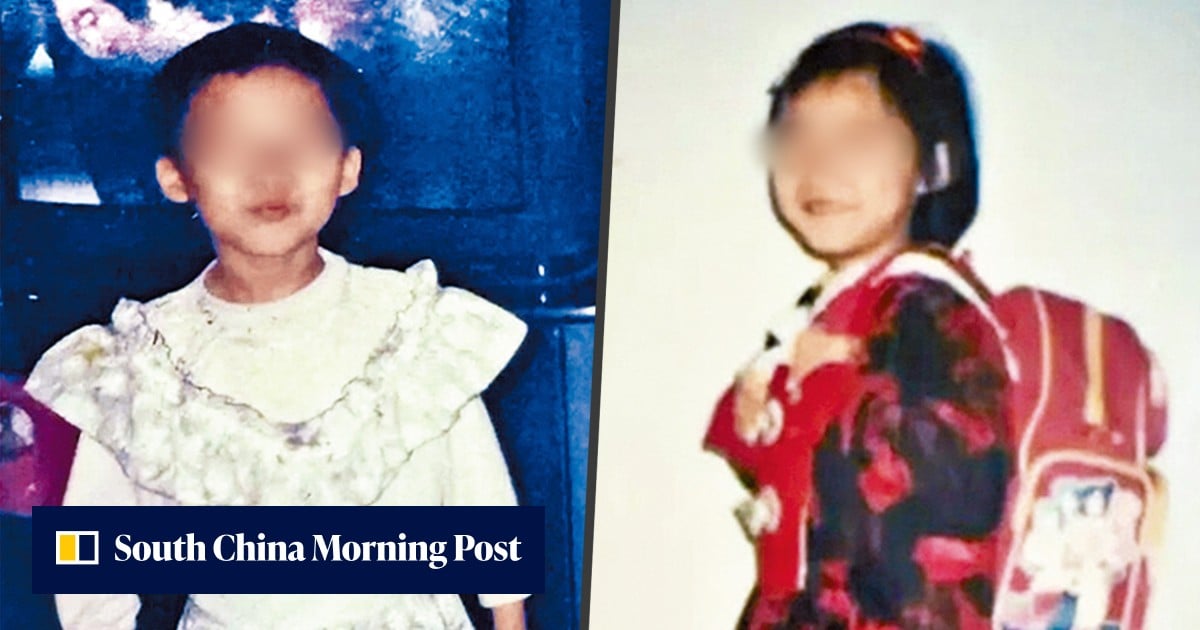
Two women, Huang Xiaolin and Li Hui, discovered they were switched at birth 37 years ago in Qingyuan, Guangdong. They grew up only 4km apart, unaware of the hospital error that led to their divergent lives.
Intelligence analysis by Gemini 2.5 Flash Lite
A 37-year-old hospital mix-up in Qingyuan, China, has come to light, revealing that two women, Huang Xiaolin and Li Hui, were switched at birth. They lived mere kilometers apart for decades, only discovering the error when one sought to trace her birth family, highlighting the profound impact of such mistakes.
Imagine two babies were accidentally swapped at the hospital when they were born, like two identical toys getting mixed up. These two girls grew up in different families but lived very close to each other, not knowing they were supposed to be with each other's families. Finally, after many years, one of them found out the truth, like finding a lost puzzle piece.
Analysis
Qingyuan People’s Hospital
The discovery of a 37-year-old hospital mix-up involving two women, Huang Xiaolin and Li Hui, born at Qingyuan People’s Hospital in Guangdong province, has brought to light the profound and lasting impact of such errors. The women were born just 55 minutes apart in October 1989. At the time, the hospital's maternity ward lacked identification wristbands for newborns, a critical oversight that allowed for the switch to occur. Instead, name cards were placed within each baby's swaddling, a method that proved insufficient in preventing the tragic error.
The circumstances surrounding the precise moment of the switch remain unclear, adding another layer of mystery to an already heartbreaking situation. The lack of robust identification protocols at the time meant that the error could go undetected for decades, fundamentally altering the life trajectories of both Huang and Li. The story serves as a stark reminder of the importance of meticulous record-keeping and identification procedures in healthcare settings, especially when dealing with vulnerable newborns.
Huang Xiaolin
Huang Xiaolin's journey to discovering the truth began when she initiated a search for her birth family. Her adoptive father had harbored suspicions for years, noticing that Huang bore little resemblance to him and had a different blood type. These observations, while leading to personal distress and marital strain, ultimately played a crucial role in uncovering the truth. His persistent doubts, stemming from biological discrepancies, provided the impetus for Huang to seek answers.
Huang's decision to trace her roots highlights a growing trend in China where individuals, particularly those with adopted parents who may have had suspicions or concerns, are increasingly seeking to understand their origins. The reunion with Li Hui, described as 'nervous, exciting and somewhat awkward,' marks the beginning of a new chapter for both women, one that involves navigating complex emotions and redefining their identities in light of this revelation.
Li Hui
Li Hui, the other woman involved in the switch, also grew up unaware of the error that had shaped her life. While the article does not detail her upbringing as extensively as Huang's, it is implied that her life, like Huang's, was set on a path dictated by the hospital's mistake. The fact that both women lived only 4 kilometers apart for 37 years adds a poignant layer of irony to their story; their lives were intertwined by a shared, yet unknown, tragedy, existing in close proximity without the knowledge of their true connection.
The reunion between Huang and Li, facilitated by the police investigation initiated by Huang, is a testament to the resilience of the human spirit and the deep-seated desire for connection. It also raises questions about accountability and the potential for other such undetected cases. The story resonates with the 'decades of heartbreak' mentioned in the headline, encapsulating the emotional toll of a life lived under false pretenses, and the complex process of reconciliation and understanding that now lies ahead for both women.
Key points
- Two women, Huang Xiaolin and Li Hui, were switched at birth 37 years ago at Qingyuan People's Hospital.
- They grew up living only 4 kilometers apart in Guangdong province, unaware of the hospital error.
- The hospital lacked identification wristbands at the time, relying on name cards in swaddling.
- Huang Xiaolin initiated a search for her birth family, leading to the discovery of the mix-up.
- The reunion was described as 'nervous, exciting and somewhat awkward' for the women.
The reunion of Huang Xiaolin and Li Hui offers a chance for both women to build a new, authentic relationship and gain a deeper understanding of their origins. It could also prompt Qingyuan People's Hospital to review and strengthen its identification protocols to prevent similar incidents in the future, ensuring greater patient safety.
The discovery of the switch may lead to significant emotional distress and identity crises for both women as they grapple with the reality of their upbringing and the lives they might have lived. There's also the potential for ongoing legal or familial disputes as they navigate this complex situation.