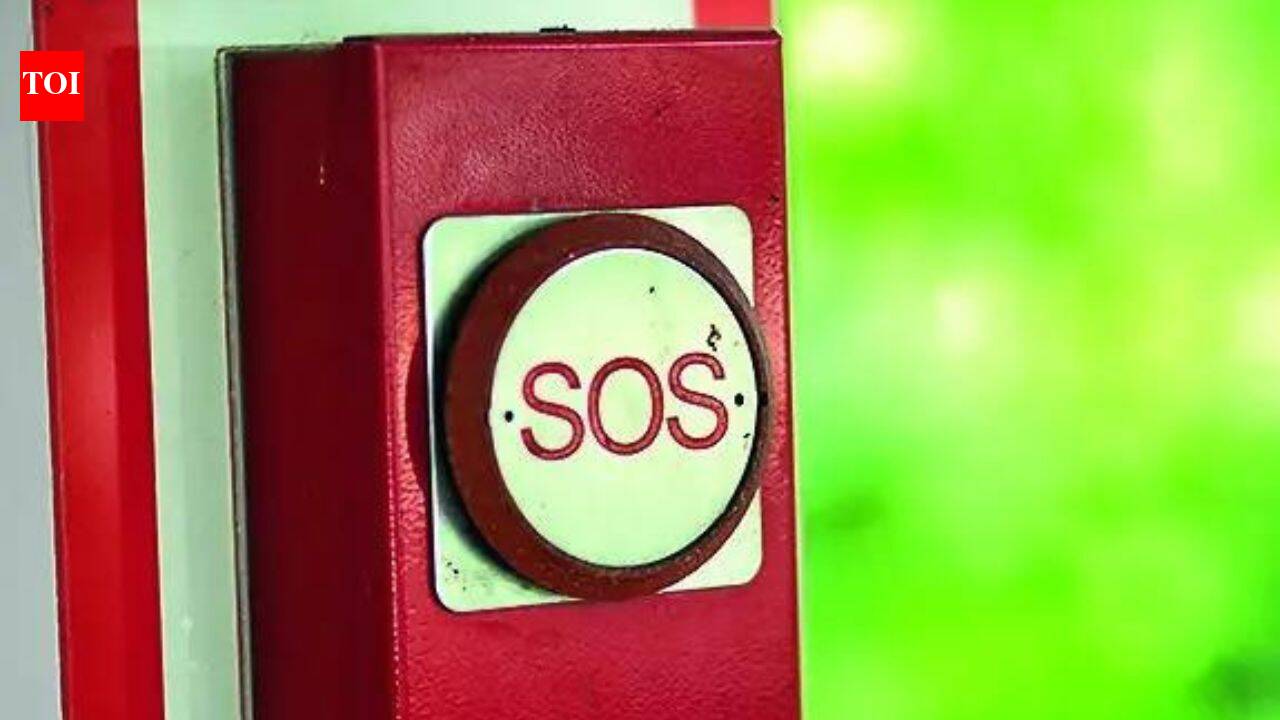
With no centres to hear, panic buttons in buses lie idle
A parliamentary panel has taken note of a curious case involving emergency alert buttons in buses. While the switches cost just Rs 15-20 each, they have largely remained unused because there are no dedicated centres to respond to alerts.
Intelligence analysis by Llama
A parliamentary panel has found that emergency alert buttons in buses are largely unused due to the lack of dedicated centres to respond to alerts. The buttons were made mandatory after the 2012 Nirbhaya case as a safety measure for women passengers.
Imagine you're on a bus and you need to call for help because something bad is happening. There's a special button on the bus that you can press to call for help, but it's not working because there's no one to answer the call. This is a problem because it means that people who need help might not get it in time.
Analysis
Unused Emergency Alert Buttons in Buses: A Safety Concern
The parliamentary panel's findings on the unused emergency alert buttons in buses have raised concerns about the safety of women passengers. The buttons were made mandatory after the 2012 Nirbhaya case as a safety measure for women passengers. However, despite being a cost-effective measure, the buttons have largely remained unused due to the lack of dedicated centres to respond to alerts.
The road transport ministry informed the panel that in several states, the system had been connected to emergency response number 112. However, there were many instances of false alarms, prompting some states to 'disengage' them. The ministry wishes the system restored, while among operators there is a feeling that it should be dispensed with.
A committee member observed that if the system was not effective, it was not fair to charge so much for it. One member asked why CCTV could not be installed. The ministry said cameras were being made mandatory in new buses.
The committee recommended that the programme to install emergency buttons, call facilities, and vehicle location tracking devices in public transport vehicles be pursued with states beyond the 16 that have made progress in implementing it. This recommendation highlights the need for effective implementation of safety measures in public transport and the importance of addressing the concerns of operators and passengers alike.
Cost and Feasibility of Safety Measures
The issue of unused emergency alert buttons in buses also raises questions about the cost and feasibility of such measures. The buttons cost just Rs 15-20 each, but the cost of testing them during mandatory fitness tests is Rs 2,500 to Rs 25,000 per vehicle. This highlights the need for a more cost-effective and feasible solution to ensure the safety of women passengers.
Conclusion
The parliamentary panel's findings on the unused emergency alert buttons in buses have raised concerns about the safety of women passengers. The issue highlights the need for effective implementation of safety measures in public transport and the importance of addressing the concerns of operators and passengers alike. It also raises questions about the cost and feasibility of such measures and the need for a more cost-effective and feasible solution.
Key points
- Emergency alert buttons in buses are largely unused due to the lack of dedicated centres to respond to alerts.
- The buttons were made mandatory after the 2012 Nirbhaya case as a safety measure for women passengers.
- The road transport ministry informed the panel that in several states, the system had been connected to emergency response number 112.
- The committee recommended that the programme to install emergency buttons, call facilities, and vehicle location tracking devices in public transport vehicles be pursued with states beyond the 16 that have made progress in implementing it.
If the issue of unused emergency alert buttons in buses is addressed, it could lead to a safer and more reliable public transport system. This could also lead to a reduction in the number of accidents and incidents on buses, making it a more attractive option for passengers.
If the issue of unused emergency alert buttons in buses is not addressed, it could lead to a continued lack of safety and reliability in public transport. This could also lead to a lack of trust in the system, making it less attractive to passengers and potentially leading to a decline in usage.