As PM Modi pushes for developing desi drones, army plans to acquire loitering munitions, surveillance systems worth Rs 20k crore
PM Narendra Modi has stressed the need for India to develop indigenous drone and counter-drone systems. The defence ministry has issued a purchase order for 84 sets of loitering munition systems along with 840 loiter munitions to Tata Advanced Systems Ltd and NIBE Ltd.
Intelligence analysis by Llama
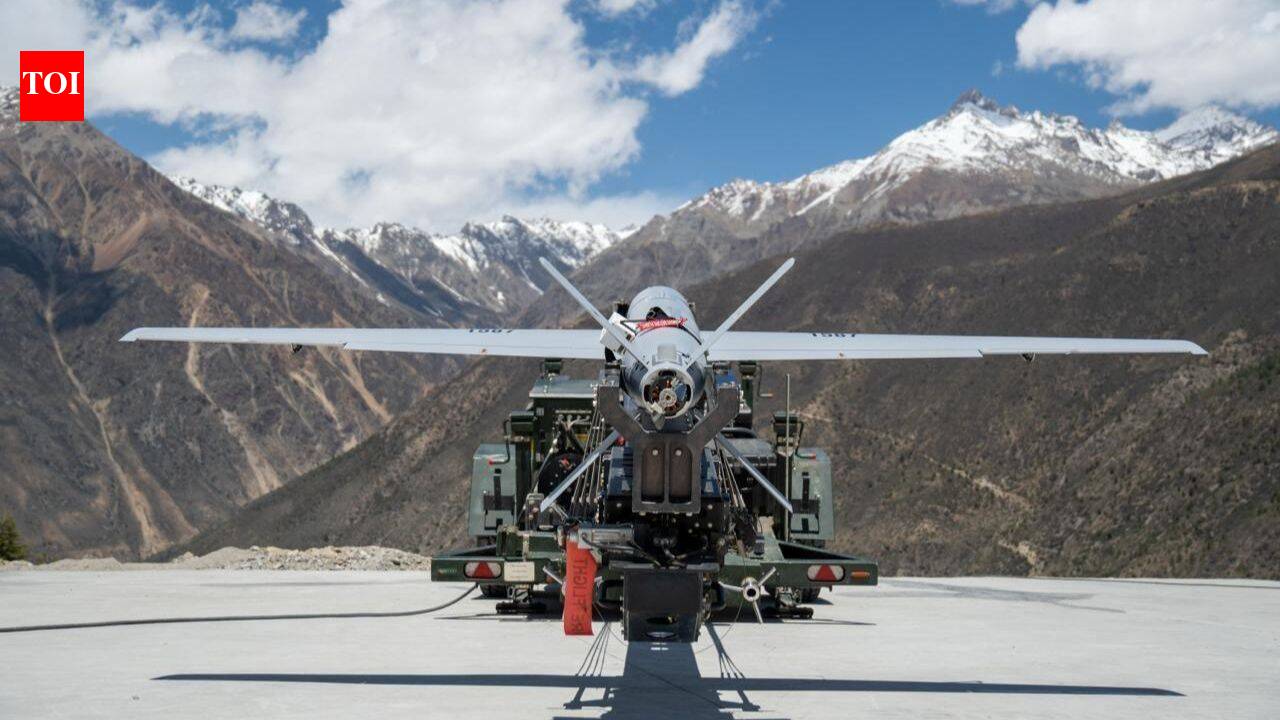
The Indian military is modernising its drone capabilities with the acquisition of advanced indigenous loitering munitions, surveillance systems, and high-altitude unmanned aerial platforms. The move is part of the country's broader efforts to shift towards drone-led network-centric warfare.
Imagine a drone that can fly to a target area, search for enemies, and then crash into the target like a missile to damage it. This is called a loitering munition system. India is developing its own version of this system, which will help the country's military to be more effective in combat.
Analysis
PM Modi's Push for Desi Drones
PM Narendra Modi's emphasis on developing indigenous drone and counter-drone systems is a significant step towards enhancing India's national security and defence capabilities. The move is part of the country's broader efforts to shift towards drone-led network-centric warfare.
The defence ministry's purchase order for 84 sets of loitering munition systems along with 840 loiter munitions to Tata Advanced Systems Ltd and NIBE Ltd is a testament to the government's commitment to developing indigenous technology. The acquisition of advanced indigenous loitering munitions, surveillance systems, and high-altitude unmanned aerial platforms will enable the Indian military to take a significant leap forward in its modernisation programme.
India's Drone Modernisation Programme
The Indian military's drone modernisation programme is a critical component of the country's broader defence modernisation efforts. The programme aims to acquire advanced indigenous loitering munitions, surveillance systems, and high-altitude unmanned aerial platforms to enhance the military's combat capabilities. The acquisition of these systems will enable the Indian military to take a significant lead in drone-led network-centric warfare.
Implications of the Development
The development of indigenous drone technology has significant implications for India's national security and defence capabilities. It will enable the country to take leadership in hypersonic defence technologies and reduce its dependence on foreign imports. The acquisition of advanced indigenous loitering munitions, surveillance systems, and high-altitude unmanned aerial platforms will also enhance the Indian military's combat capabilities and enable it to take a significant leap forward in its modernisation programme.
Key points
- PM Narendra Modi has stressed the need for India to develop indigenous drone and counter-drone systems.
- The defence ministry has issued a purchase order for 84 sets of loitering munition systems along with 840 loiter munitions to Tata Advanced Systems Ltd and NIBE Ltd.
- The acquisition of advanced indigenous loitering munitions, surveillance systems, and high-altitude unmanned aerial platforms will enhance the Indian military's combat capabilities.
- The development of indigenous drone technology will enable India to take leadership in hypersonic defence technologies and reduce its dependence on foreign imports.
The development of indigenous drone technology will enable India to take leadership in hypersonic defence technologies and reduce its dependence on foreign imports. This will enhance the country's national security and defence capabilities, and enable it to take a significant leap forward in its modernisation programme.
The development of indigenous drone technology also raises concerns about the potential misuse of these systems. There is a risk that these systems could be used for malicious purposes, such as attacking civilian targets. The Indian government will need to ensure that these systems are developed and used responsibly.