With the Houthis' Red Sea threat, is the world running out of detours?
The Houthis' threat to block the Bab el-Mandeb Strait, a critical chokepoint linking the Red Sea to the Gulf of Aden, is testing the limits of global trade's resilience. Analysts warn that a simultaneous disruption of both the Bab el-Mandeb Strait and the Strait of Hormuz…
Intelligence analysis by Llama
The Houthis' threat to block the Bab el-Mandeb Strait is testing the limits of global trade's resilience. A simultaneous disruption of both the Bab el-Mandeb Strait and the Strait of Hormuz would put global trade under strain.
Imagine you're playing a game of chess, and you have to move your pieces around a board. Now imagine that the board is a big ocean, and the pieces are ships. The Houthis are like a player who's trying to block some of the paths on the board, making it harder for the other players to move their pieces. This can cause problems for the whole game, and that's what's happening with the Houthis' threat to block the Bab el-Mandeb Strait.
Analysis
A Critical Chokepoint Under Threat
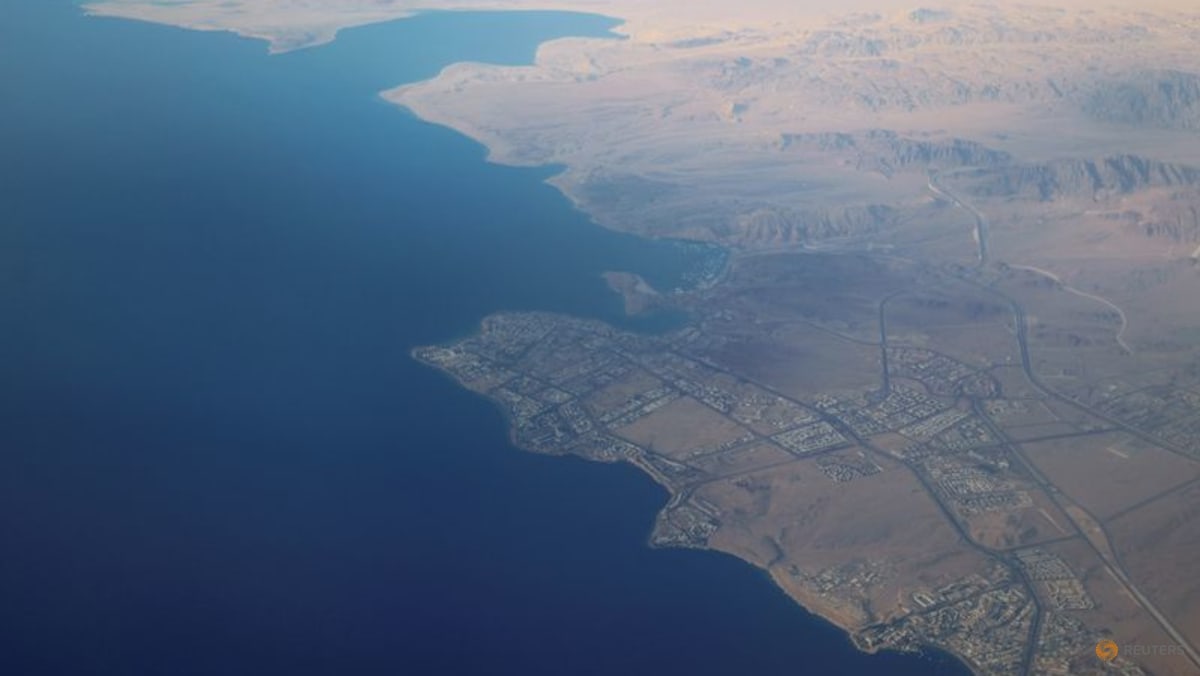
The Houthis' threat to block the Bab el-Mandeb Strait, a critical chokepoint linking the Red Sea to the Gulf of Aden, is testing the limits of global trade's resilience. The Bab el-Mandeb Strait is one of the world's most important maritime chokepoints, with around 12 per cent of global trade and roughly a quarter of container traffic passing through it en route to and from the Suez Canal.
The Houthis' Disruptive Capability
The Houthis have been fighting a Saudi-backed Yemeni government since 2014 and are aligned with Iran. They have demonstrated their disruptive capability in the past, with over 100 vessels targeted during the Gaza conflict. Their recent attacks on shipping in the Red Sea have already shown their ability to disrupt global trade.
A Dual Disruption Would Be Catastrophic
Analysts warn that a simultaneous disruption of both the Bab el-Mandeb Strait and the Strait of Hormuz would put global trade under strain. The Strait of Hormuz carries about one-fifth of global seaborne oil and liquefied natural gas exports. A dual disruption would 'deliver a one-two punch to global oil supply', said Vandana Hari, founder and CEO of Vanda Insights, estimating that up to 7 million barrels per day could be affected.
Key points
- The Houthis' threat to block the Bab el-Mandeb Strait is testing the limits of global trade's resilience.
- A simultaneous disruption of both the Bab el-Mandeb Strait and the Strait of Hormuz would put global trade under strain.
- The Houthis have demonstrated their disruptive capability in the past, with over 100 vessels targeted during the Gaza conflict.
- A dual disruption would 'deliver a one-two punch to global oil supply', said Vandana Hari, founder and CEO of Vanda Insights, estimating that up to 7 million barrels per day could be affected.
If the Houthis' threat to block the Bab el-Mandeb Strait is resolved peacefully, it could lead to a decrease in tensions in the region and a reduction in the risk of a dual disruption of the Bab el-Mandeb Strait and the Strait of Hormuz. This could have a positive impact on global trade and energy markets.
If the Houthis' threat to block the Bab el-Mandeb Strait is not resolved peacefully, it could lead to a significant increase in tensions in the region and a higher risk of a dual disruption of the Bab el-Mandeb Strait and the Strait of Hormuz. This could have a negative impact on global trade and energy markets.
Market signals
- Oil The Houthis' threat to block the Bab el-Mandeb Strait and tensions in the Strait of Hormuz could lead to a decrease in oil supplies, causing oil prices to rise.
AI-generated analysis of potential market relevance. Not financial advice.