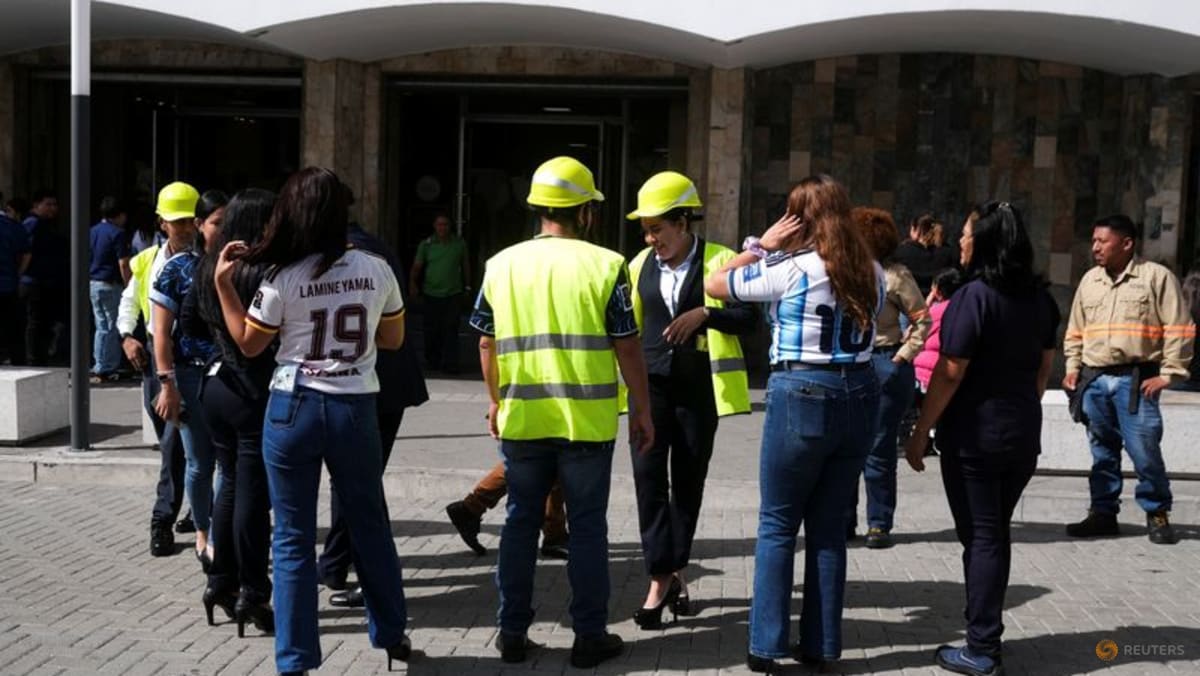
World Cup working dogs sniff out threats, send security signal
Kali, a five-year-old Labrador Retriever, is one of hundreds of police and security dogs marshaled across North America to provide a first line of defence against threats at the World Cup.
Intelligence analysis by Llama
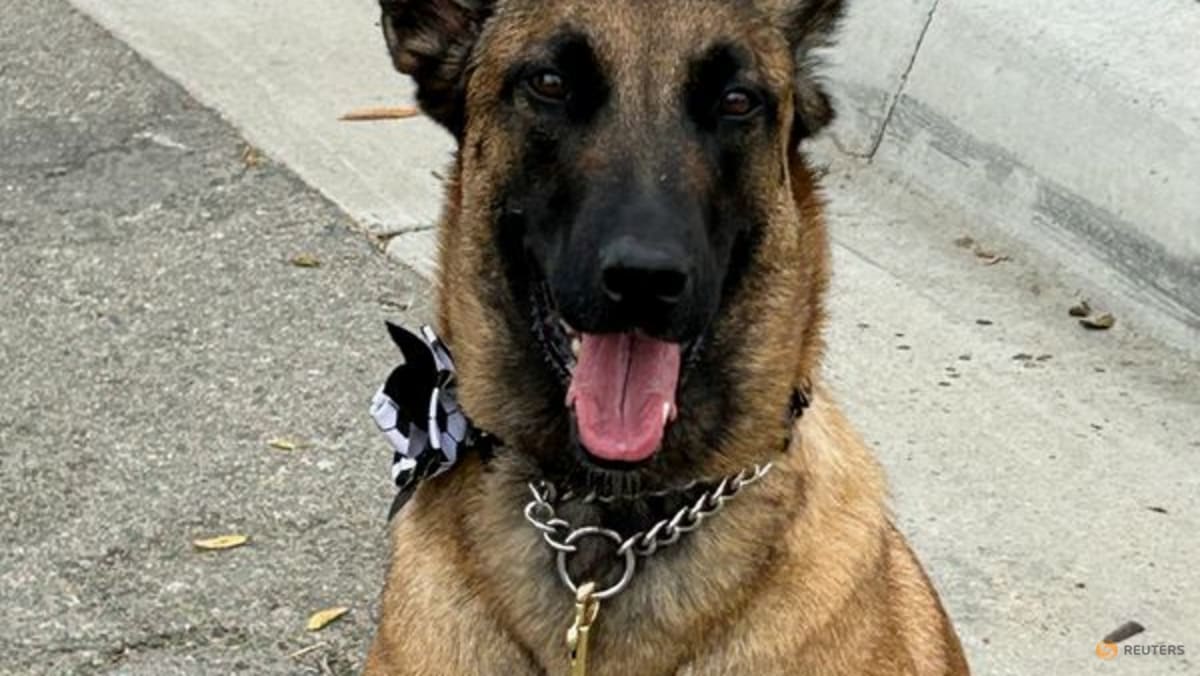
Security dogs are being used to sniff out threats and provide a visual deterrent to potential terrorists at the World Cup. The dogs are stationed near stadium entrances and are trained to detect explosives, fireworks, and other sniffable threats.
Security dogs are being used at the World Cup to sniff out threats and keep fans safe. These dogs are trained to detect things like explosives and fireworks, and they're stationed near stadium entrances to help prevent potential threats.
Analysis
A $60B Vote of Confidence
The World Cup has been a significant event in the world of sports, with a total of 64 matches played across 16 cities in the United States, Canada, and Mexico. The tournament has been a major success, with millions of fans attending the matches and watching on television. However, the event has also presented significant security challenges, with the potential for terrorist threats and other safety risks. To address these concerns, security officials have employed a range of measures, including the use of security dogs.
Why Cursor?
Kali, a five-year-old Labrador Retriever, is one of hundreds of police and security dogs marshaled across North America to provide a first line of defence against threats at the World Cup. The dogs are stationed near stadium entrances and are trained to detect explosives, fireworks, and other sniffable threats. According to Glen Kucera, President of Allied Universal Enhanced Protection Services, the biggest provider of private canine security services in the U.S., about 300 of his firm's 1,000 dog teams have been employed in World Cup security.
The Road Ahead
The use of security dogs at the World Cup is a key aspect of the tournament's security measures, and it highlights the importance of visual deterrents in preventing potential threats. By employing a range of security measures, including the use of security dogs, officials have been able to provide a safe and secure environment for fans to enjoy the tournament.
Key points
- Security dogs are being used to sniff out threats and provide a visual deterrent to potential terrorists at the World Cup.
- The dogs are stationed near stadium entrances and are trained to detect explosives, fireworks, and other sniffable threats.
- About 300 of the 1,000 dog teams employed in World Cup security are from Allied Universal Enhanced Protection Services.
- The use of security dogs at the World Cup is a key aspect of the tournament's security measures.
- The dogs are helping to provide a safe and secure environment for fans to enjoy the tournament.
The use of security dogs at the World Cup has been a success, and it highlights the importance of visual deterrents in preventing potential threats. By continuing to employ a range of security measures, officials can provide a safe and secure environment for fans to enjoy the tournament.
The use of security dogs at the World Cup has also raised concerns about the potential for over-reliance on technology and the impact on the human security workforce. Additionally, the use of security dogs may not be effective in preventing all types of threats, and officials must continue to adapt and improve their security measures to stay ahead of potential threats.