Year of after-school care now costs £2,800 a child in parts of UK
Annual after-school childcare costs in England have risen 42% in a decade, now exceeding £2,800 per child in some UK regions. This, alongside holiday care and extracurriculars, places significant financial strain on parents.
Intelligence analysis by Gemini 2.5 Flash Lite
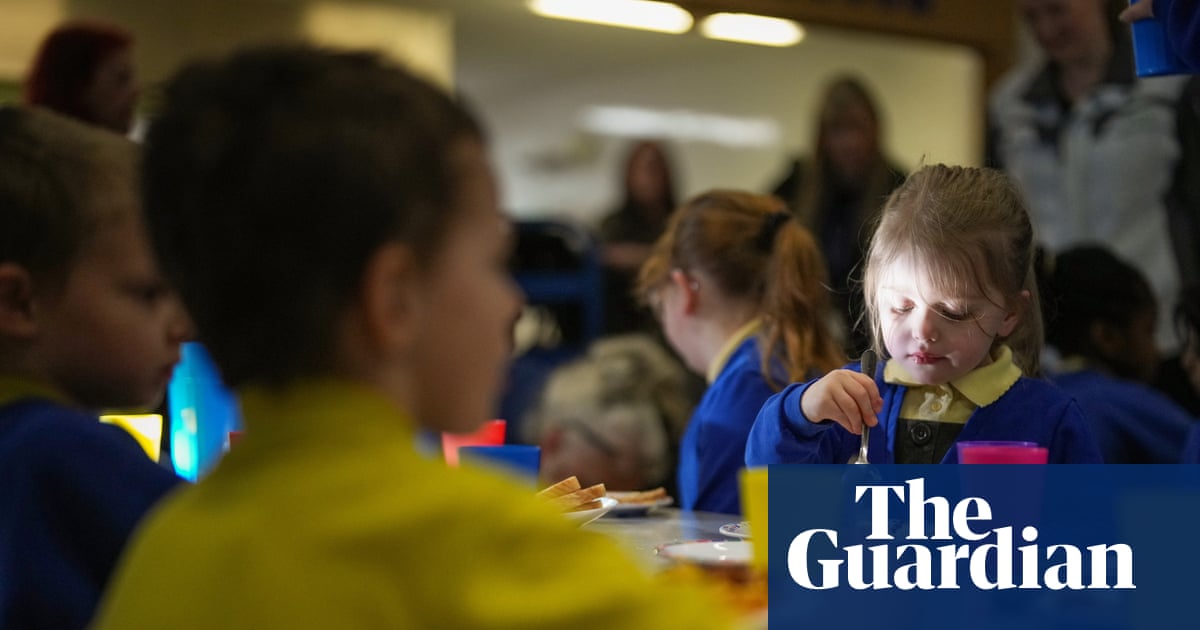
The cost of after-school care for primary school children in the UK has surged, with annual bills reaching over £2,800 per child in some areas. This significant increase, coupled with holiday childcare and extracurricular expenses, is creating substantial financial pressure on families, forcing some parents to reconsider their working arrangements.
Imagine your parents have to pay a lot of money every day to make sure someone watches you after school, and even more during holidays. They also have to buy special clothes and gear for school. It's like a never-ending shopping list that costs thousands of pounds each year, making it hard for them to afford other things or even decide if working is worth it.
Analysis
After-School Care Costs
The financial burden on parents in the UK for after-school care has become increasingly significant. Data analyzed by the charity Coram reveals that the average annual cost for children aged 5 to 11 in England has climbed by 5% in the last year alone, reaching £2,636. This figure is even higher in Scotland, averaging £2,701, and has seen a dramatic 64% increase over the past decade in Wales, now standing at £2,824 annually. These costs are not static; they represent a substantial and ongoing expense for families, often requiring careful budgeting and financial planning.
These after-school charges are just one component of a larger childcare expenditure. Parents also typically face an additional £191 per child weekly for care during school holidays, adding over £1,700 to the annual bill. Crucially, these figures exclude the costs associated with breakfast clubs and a wide array of extracurricular activities. The cumulative effect of these expenses can be overwhelming, leading to significant stress for parents and influencing fundamental decisions about work and family size.
School Uniforms and Kit
Beyond childcare, the expenses associated with preparing children for school are also substantial. Research indicates that parents spend an average of £381 annually on school uniforms and sports kits, encompassing items like blazers, tracksuits, and shoes. Furthermore, school trips add another £116 per child each year. For families with multiple children, these costs are multiplied, exacerbating the financial strain. The pressure to purchase specific, sometimes costly, equipment for secondary school, such as tablets or specialized calculators, further compounds these back-to-school expenditures, leading to significant financial anxiety for many.
Parental Financial Strain
The cumulative impact of these rising costs is creating considerable financial stress for UK parents. A survey by Nationwide found that nearly half of parents are worried about the expense of their children returning to school, with one in four postponing non-essential purchases. For some, the cost of childcare and school-related items makes full-time employment financially unviable, forcing them to adjust work schedules or rely on one parent working from home. This situation highlights a critical economic challenge where the cost of essential services and goods for children can outweigh the financial benefits of parental employment, particularly for families with multiple young children.
The article underscores the difficult choices parents face. The decision to work full-time is increasingly weighed against the significant expense of childcare, leading to a situation where parents might choose to reduce their working hours or forgo career progression to manage these costs. This has broader implications for household income, economic participation, and overall parental well-being, suggesting that the current economic climate is making it increasingly challenging for families to balance work and childcare responsibilities effectively.
Key points
- Annual after-school childcare costs have risen significantly across the UK, exceeding £2,800 per child in some areas.
- These costs, combined with holiday care and extracurricular activities, place a substantial financial burden on parents.
- Parents also face considerable expenses for school uniforms, sports kit, and school trips, averaging hundreds of pounds annually.
- The high cost of childcare is influencing parental decisions about working full-time and family size.
- Many parents report significant financial stress and are delaying non-essential purchases due to back-to-school expenses.
If childcare costs stabilize or decrease, and schools find more affordable ways to equip students, parents could experience significant financial relief. This could lead to increased disposable income, reduced stress, and potentially greater parental participation in the workforce, boosting household finances and the broader economy.
Continued escalation of after-school care, holiday childcare, and school-related expenses could force more parents to reduce working hours or leave the workforce altogether. This would disproportionately affect lower-income families, widen the gap in educational resources, and potentially lead to increased child poverty.