Yemen declares naval blockade on Saudi Arabia in response to ‘oppressive siege’
Yemen has imposed a naval blockade on Saudi Arabia in response to what it calls an unjust and oppressive siege. The move opens a new front against the US in its war on Iran and widens the threat to global oil supplies and trade beyond the Persian Gulf.
Intelligence analysis by Llama
Yemen has declared a naval blockade on Saudi Arabia in response to what it calls an unjust and oppressive siege. The move is a new front in the war between the US and Iran and threatens global oil supplies and trade.
Yemen has declared a naval blockade on Saudi Arabia, which means it's stopping oil tankers from passing through a critical waterway. This could reduce global oil supply by 7% and have a big impact on the global economy. It's a new front in the war between the US and Iran, and could have far-reaching consequences for the region and the world.
Analysis
A New Front in the War on Iran
Yemen's declaration of a naval blockade on Saudi Arabia is a significant escalation in the conflict between the US and Iran. The move is a response to what Yemen sees as an unjust and oppressive siege by Saudi Arabia, and it opens up a new front in the war. The blockade has the potential to disrupt global oil supplies and trade, and could have far-reaching consequences for the region and the world.
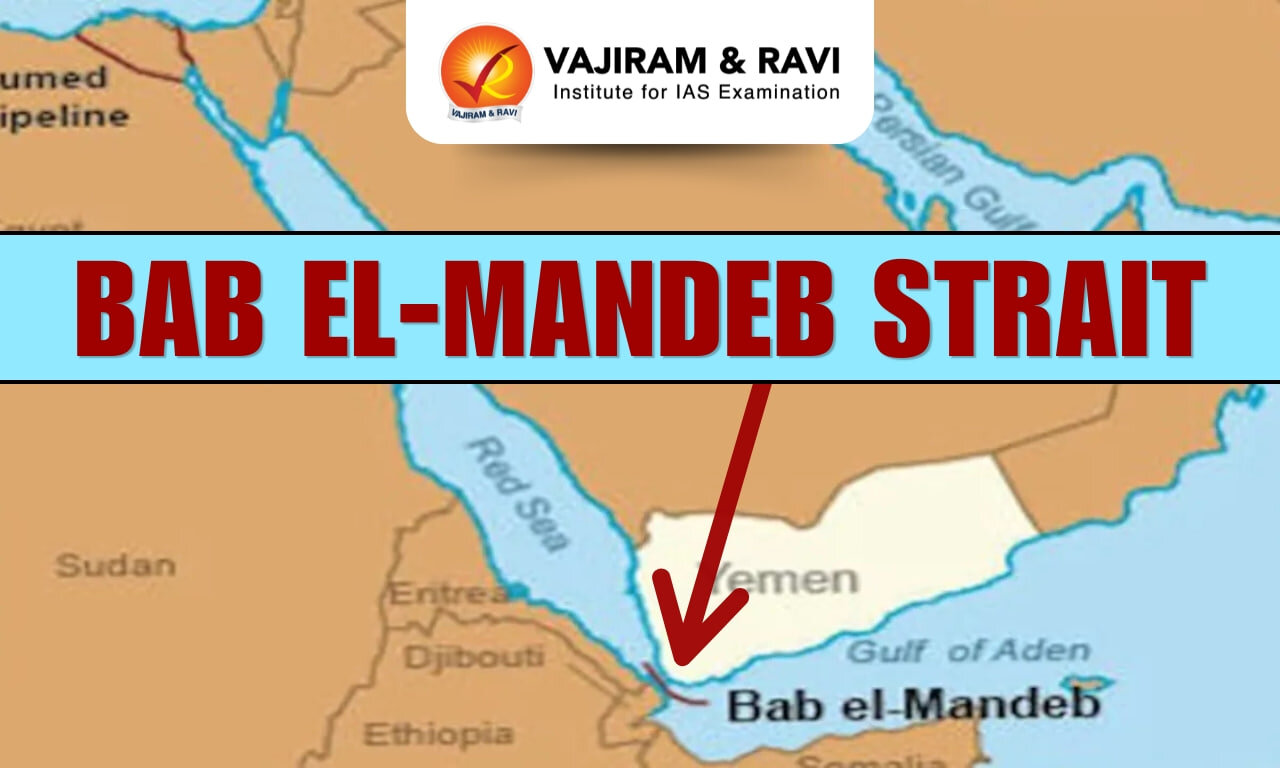
The Bab el-Mandeb strait, which is the narrow waterway that connects the Red Sea to the Gulf of Aden, is a critical chokepoint for global oil supplies. The strait is used by many oil tankers to transport oil from the Persian Gulf to markets around the world. If the strait is closed, it could reduce global oil supply by 7%, which would have a significant impact on the global economy.
The announcement of the blockade comes as the US and Iran are engaged in a cycle of attacks that has all but wrecked a fragile interim agreement signed last month. The US has imposed sanctions on Iran, and Iran has responded by attacking US interests in the region. The conflict has already reduced shipments of oil through the Strait of Hormuz by 10%, and the blockade could make things even worse.
The US and Iran are engaged in a war of words, with each side accusing the other of aggression. The US has imposed sanctions on Iran, and Iran has responded by attacking US interests in the region. The conflict has already had a significant impact on the global economy, and the blockade could make things even worse.
The situation is complex and multifaceted, with many different players and interests at play. The US, Iran, Saudi Arabia, and Yemen are all involved in the conflict, and each side has its own interests and motivations. The conflict has the potential to escalate further, and could have far-reaching consequences for the region and the world.
Key points
- Yemen has declared a naval blockade on Saudi Arabia in response to what it calls an unjust and oppressive siege.
- The blockade has the potential to disrupt global oil supplies and trade, and could have far-reaching consequences for the region and the world.
- The conflict between the US and Iran is a complex and multifaceted issue, with many different players and interests at play.
- The situation is volatile and could escalate further, leading to increased instability in the region and the world.
If the US and Iran can come to a lasting agreement, it could lead to a reduction in tensions and a decrease in the threat to global oil supplies and trade. This could have a positive impact on the global economy and lead to increased stability in the region.
If the conflict between the US and Iran continues to escalate, it could lead to a significant disruption in global oil supplies and trade. This could have a negative impact on the global economy and lead to increased instability in the region.