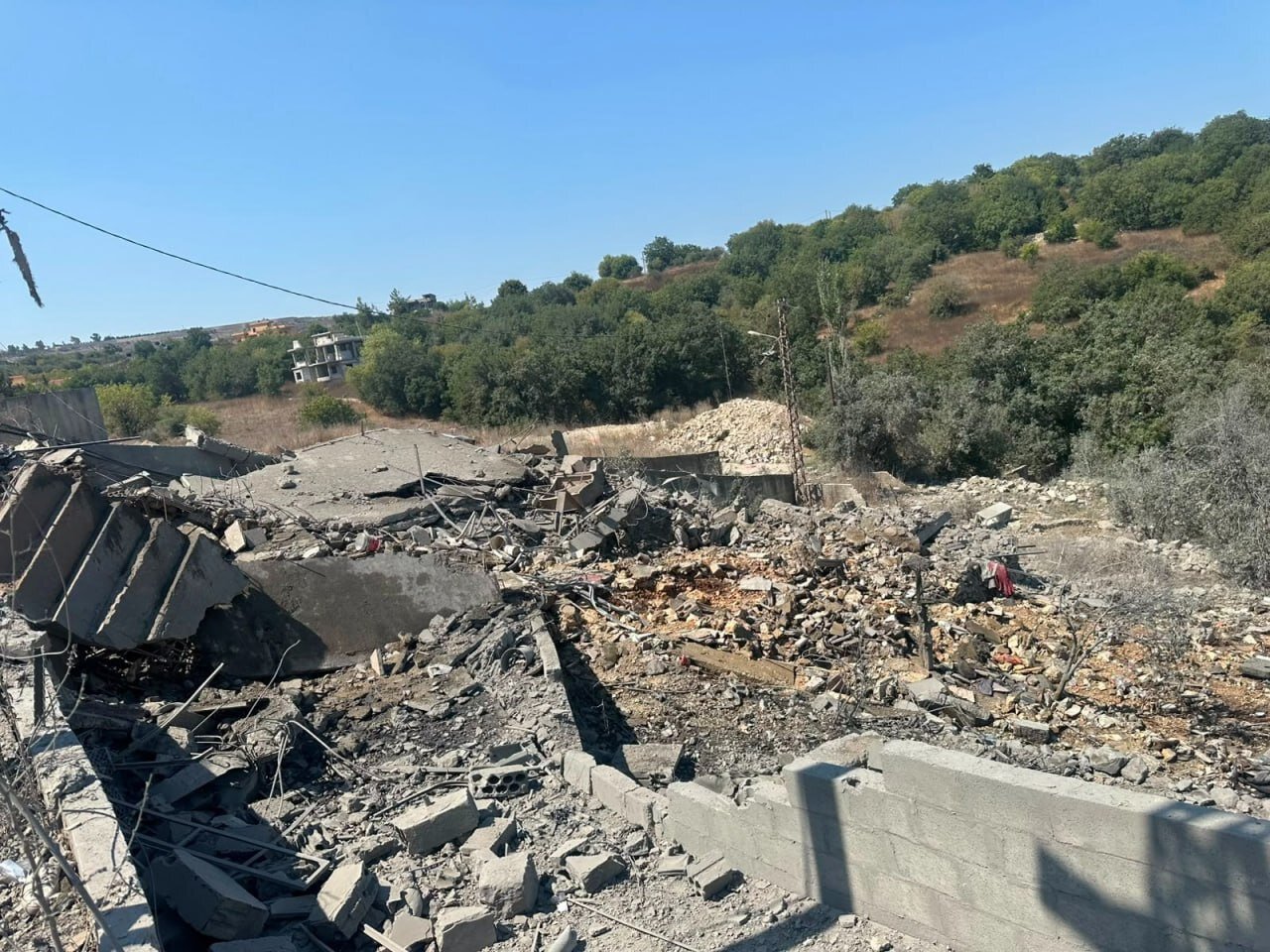
Yemeni drones strike Aramco oil facilities, Najran airport
Yemeni drones hit Saudi Aramco oil facility and Najran airport in strikes attributed to Yemeni Armed Forces.
Intelligence analysis by Qwen 2.5 (3B)
Yemen has launched drone attacks on a major Saudi Aramco oil facility and the Najran airport, responding to persistent Saudi drone incursions over Yemen's Saada province.
Yemen sent drones to hit Saudi oil places and airports. This makes it harder for Saudi Arabia to sell its oil and causes problems in their military.
Analysis
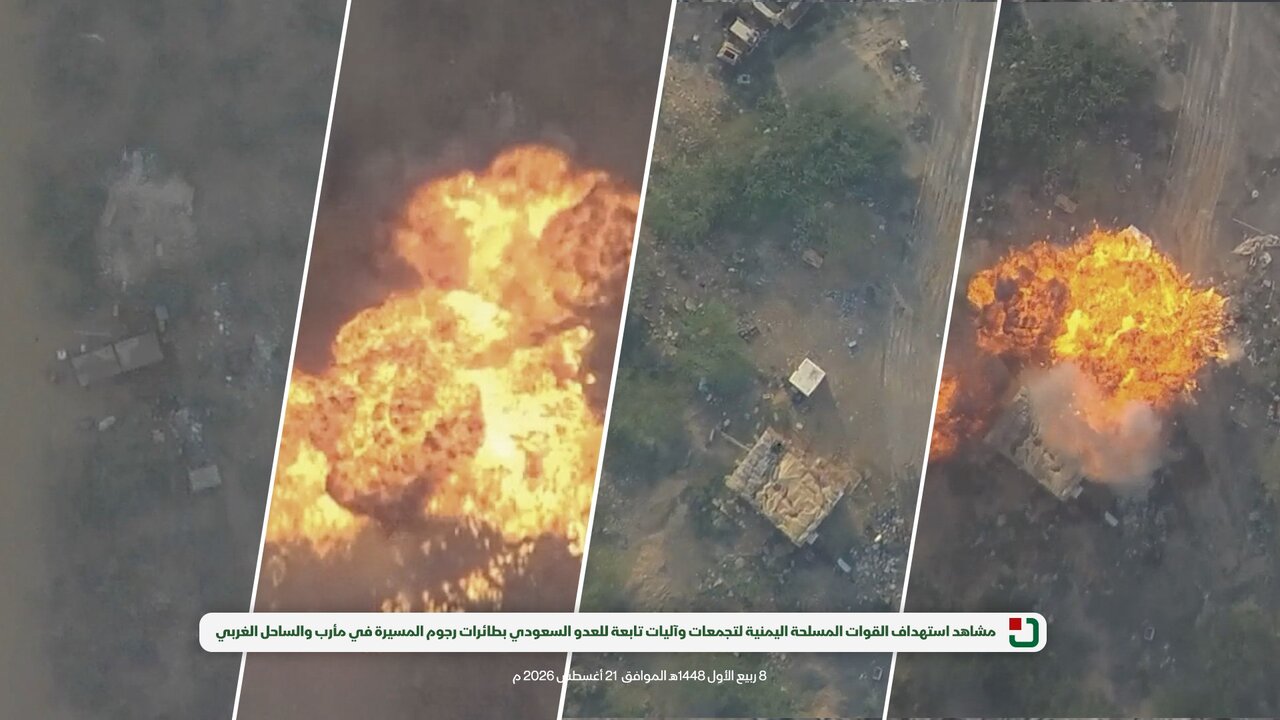
{"#Najran_Strikes":"Yemeni drones strike Aramco oil facilities, Najran airport\nIn a series of coordinated drone attacks on August 20, Yemen's Armed Forces targeted the Najran Airport and a major Aramco oil facility in southern Saudi Arabia. The strikes were attributed to Yemeni Armed Forces spokesman Brigadier General Yahya Saree, who stated that both operations achieved their objectives as a direct response to persistent Saudi drone incursions over Saada province.\n##Maritime_Blockade\nThe Najran strikes mark the latest enforcement move under a strategic doctrine outlined by Saree on August 19. Yemen's naval forces have already crippled Saudi maritime logistics, targeting eight oil tankers and intercepting or turning back 48 vessels since July 20. This has resulted in nearly 85% of Saudi oil exports being halted through the Bab al-Mandab Strait.\n##Ground_Traffic\nYemeni units continue to inflict heavy losses on Saudi-backed mercenary forces, with a video compilation published by Yemen's War Media documenting Rujum multi-rotor hexacopters dropping precision mortar rounds onto PLC positions in Marib and along the western coast. One strike killed dozens of mercenaries and destroyed heavy equipment.","#Aramco_Strike":"Yemeni drones hit Aramco oil facility\nThe strikes on the Aramco oil facility were carried out by Yemen's Armed Forces, targeting a sensitive military installation. The spokesman attributed these attacks to persistent Saudi drone incursions over Saada province.\n##Impact_on_Saudi_Economy\nThese strikes have significant implications for the Saudi economy and energy supply routes. With nearly 85% of its oil exports being halted through the Bab al-Mandab Strait, Saudi Arabia faces severe economic challenges. The naval blockade has also crippled Saudi maritime logistics, with eight oil tankers and 48 vessels intercepted or turned back since July 20.\n##Mercenary_Losses\nYemeni forces have inflicted heavy losses on Saudi-backed mercenaries, including the destruction of heavy bulldozers and weapons caches.","#Saudi_Reaction":"Riyadh's response to Yemeni strikes\nSaudi Arabia has responded to these attacks by warning that any further escalation will result in a swift, comprehensive response. The spokesman for Yemen's Armed Forces, Brigadier General Yahya Saree, has appealed to the Saudi government to lift its blockade, end aggression, pay delayed public salaries, and pull out all occupying forces.","#Yemeni_Strategy":"Strategic doctrine outlined by Saree\nSaree outlined a strategic doctrine for Yemen's military response, emphasizing three non-negotiable equations: imposing an equal maritime siege, striking enemy troop concentrations anywhere they assemble, and actively defending Yemeni sovereignty against airspace breaches."}
Key points
- Yemeni drones hit Aramco oil facility and Najran airport
- Saudi Arabia faces severe economic challenges due to the strikes
- Yemen has outlined a strategic doctrine for its military response
If the situation improves, Yemen might be able to negotiate with Saudi Arabia to end the conflict and restore normal trade routes.
The ongoing conflict could lead to more attacks on both sides, causing further damage and loss of life.