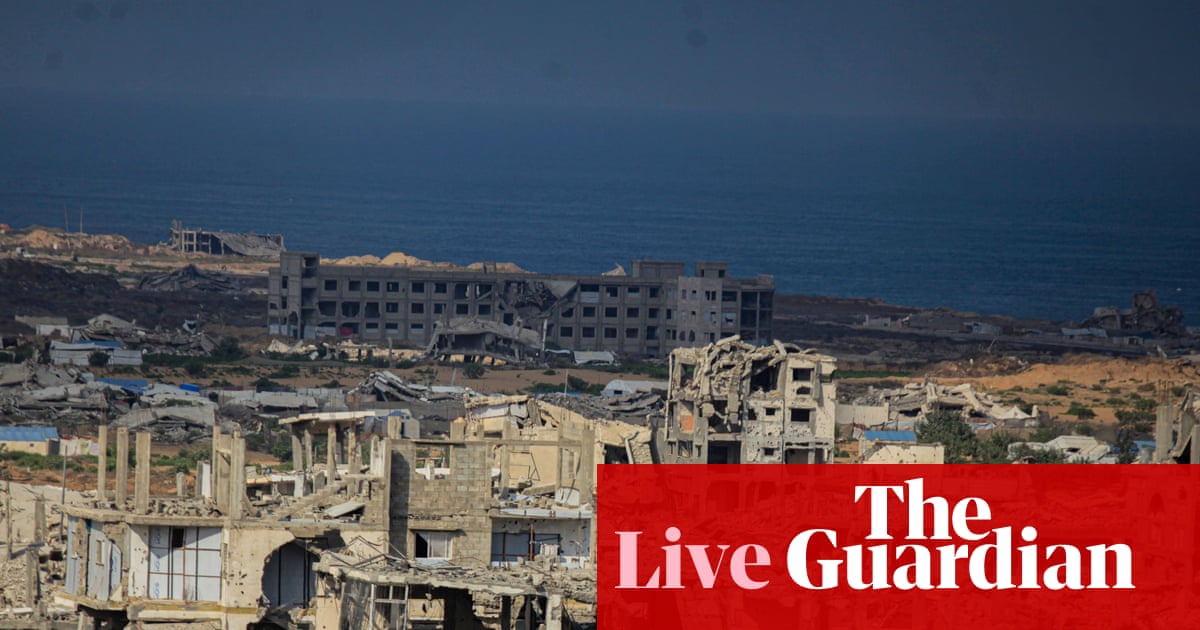
Yemen’s Houthis claim responsibility for attack on Saudi oil refinery
Yemen's Houthi rebels claimed responsibility for a drone attack on a Saudi Aramco refinery in Jazan, Saudi Arabia, early Sunday. The incident occurred amid heightened regional tensions, with Iran issuing demands regarding the Strait of Hormuz and the UAE reporting an Iran…
Intelligence analysis by Gemini 2.5 Flash Lite
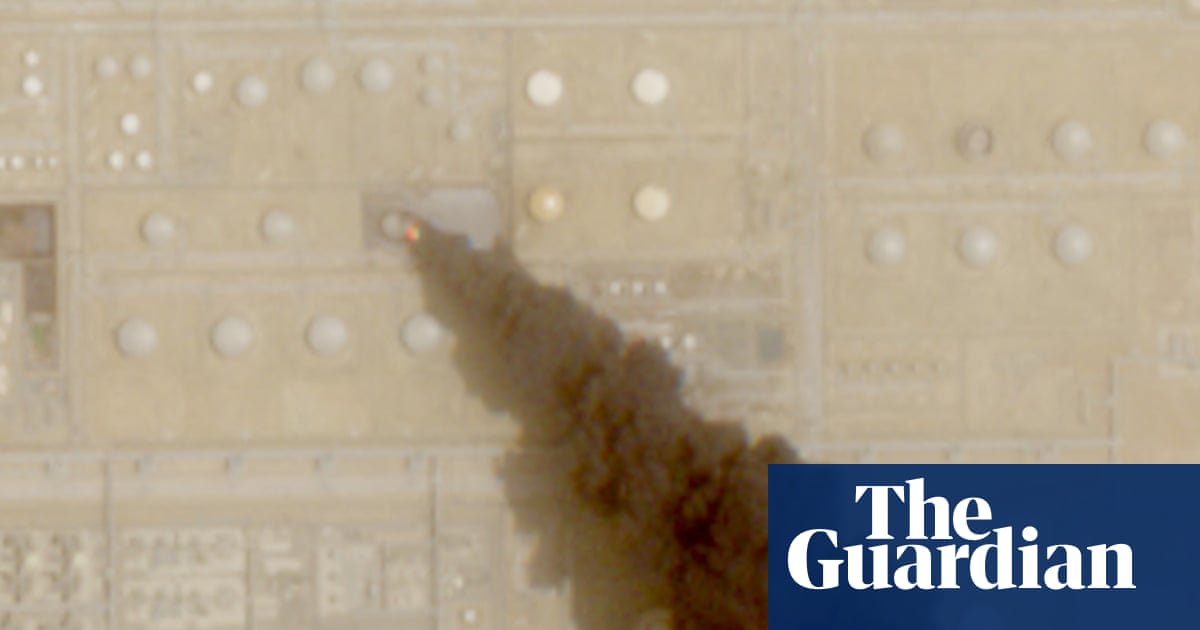
The Houthi movement in Yemen has claimed responsibility for a drone strike on a Saudi oil refinery, escalating regional tensions. This attack follows Saudi Arabia's signing of a defense pact with Turkey and Pakistan and Iran's demands for the reopening of the Strait of Hormuz, which remains a point of contention with the US.
Imagine two groups of kids arguing. One group (Houthis) attacked a big oil factory in another country (Saudi Arabia) with a drone. This happened because tensions are high, like when one kid (Iran) is making demands about a busy road (Strait of Hormuz) that everyone needs to use, and another kid (UAE) says they were attacked. It's all part of a bigger fight in the region.
Analysis
Aramco's Jazan Refinery
The Houthi drone attack on Saudi Aramco's Jazan refinery, which processes 400,000 barrels of crude oil daily, represents a significant escalation in the conflict affecting Saudi Arabia. This is not the first time the Houthis have targeted Saudi energy infrastructure; previous strikes have hit facilities in Jazan and Yanbu, a key oil export hub. The refinery's location in the southwest of Saudi Arabia makes it a strategic target, aiming to disrupt the kingdom's oil processing capabilities and potentially impact global energy markets. The Saudi energy ministry confirmed a fire at the refinery but stated it was extinguished with no injuries, indicating a degree of resilience in their defense and response mechanisms.
Strait of Hormuz Negotiations
Simultaneously, the situation surrounding the Strait of Hormuz remains volatile, with Iran issuing stringent demands for its reopening. Mohammad Bagher Zolghadr, secretary of Iran's supreme national security council, stated that the strait would only reopen once the US corrected its "behavior," including ending threats, permanently ending the war with Tehran and its allies, lifting sanctions, and releasing frozen assets. These demands underscore the complex diplomatic landscape, where progress on reopening the vital waterway is contingent on broader geopolitical concessions. While Oman is mediating and reports constructive discussions, Iran's foreign minister, Abbas Araghchi, indicated that any agreement on navigation through the strait is linked to other conditions, blaming the US for violating a previous memorandum of understanding.
Saudi Defense Pact
In response to the escalating regional instability, Saudi Arabia, alongside Turkey and Pakistan, signed a defense pact aimed at strengthening collective deterrence against aggression. This alliance, however, has been framed by Turkish officials as not being directed against any specific country, including Iran, but rather as a general pledge to support the security of the three nations. The pact's effectiveness and the extent of Pakistan and Turkey's involvement in any Saudi response to future attacks remain unclear. This development signifies Saudi Arabia's effort to bolster its security alliances in the face of perceived threats, particularly from Iran and its proxies like the Houthis, amidst the backdrop of the US-Israel war on Iran.
Key points
- Yemen's Houthi rebels claimed responsibility for a drone attack on a Saudi Aramco oil refinery in Jazan.
- The attack occurred amid heightened regional tensions, including Iran's demands regarding the Strait of Hormuz.
- Saudi Arabia recently signed a defense pact with Turkey and Pakistan to bolster regional security.
- Iran has issued demands for the US to end sanctions and military presence in the region for the Strait of Hormuz to reopen.
- The UAE reported its ship was targeted by an Iranian missile, adding to the escalating regional instability.
The successful containment of the fire at the Jazan refinery and the absence of injuries suggest that Saudi Arabia's infrastructure security measures are robust. Furthermore, ongoing diplomatic efforts, particularly mediation by Oman, offer a potential pathway to de-escalate tensions surrounding the Strait of Hormuz and prevent further disruptions to global energy supplies.
The Houthi claim of responsibility for the drone strike, coupled with Iran's aggressive demands regarding the Strait of Hormuz and the UAE's report of an Iranian missile strike, indicates a significant escalation of regional conflict. This could lead to further attacks on critical infrastructure, disrupt global energy markets, and draw more regional and international powers into direct confrontation.