Zambians voting as president bids for second term
Zambians are voting in a presidential and parliamentary election, with incumbent President Hakainde Hichilema seeking a second term amidst concerns over political freedoms and high living costs. The election is a crucial test for Zambia's democratic stability.
Intelligence analysis by Gemini 2.5 Flash
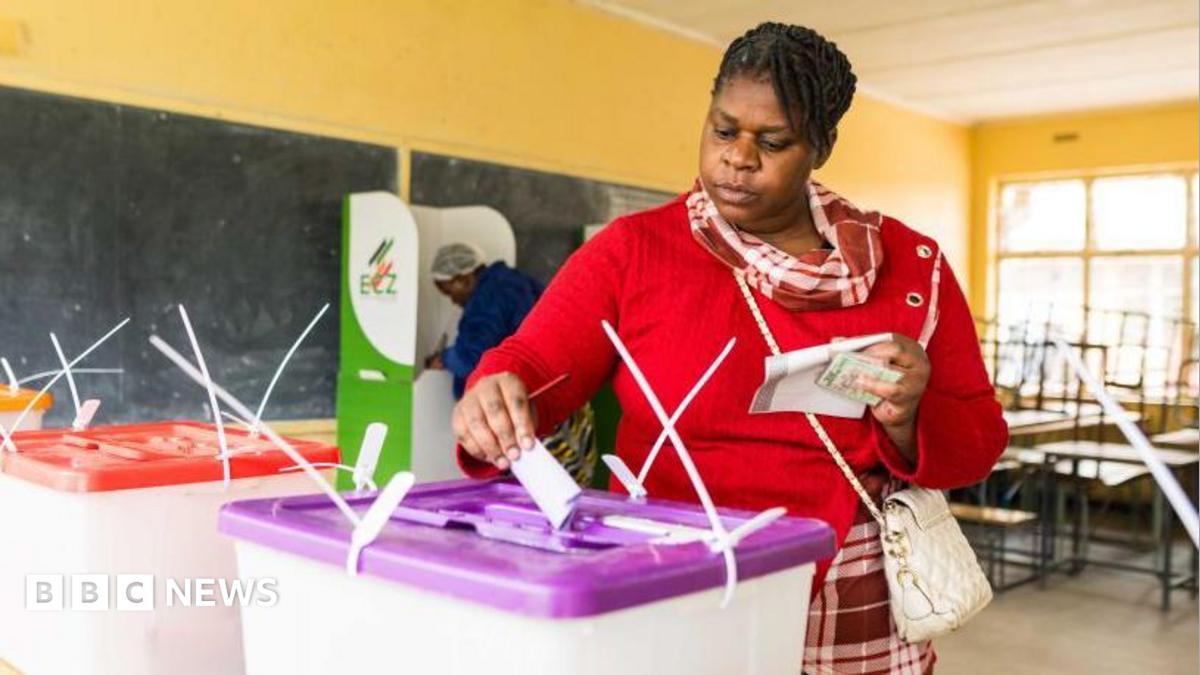
Over eight million Zambians are casting ballots in a closely watched election, largely a contest between President Hakainde Hichilema and challenger Brian Mundubile. While Hichilema points to economic recovery, many voters remain frustrated by persistent high living costs and unemployment, making the outcome uncertain and a significant test for the nation's democratic reputation.
Imagine Zambia is having a big school election for class president and student council. Lots of kids are voting for who they think will make things better, especially with lunch money and playground rules. The current class president wants to stay, saying he's made things better, but some kids still feel things are tough. It's a very close race, and everyone is watching to see if the election is fair and if the new leaders can really help.
Analysis
Hakainde Hichilema
President Hakainde Hichilema is seeking a second five-year term, campaigning on a platform of economic recovery and job creation. He won the 2021 election on his sixth attempt, a testament to his persistence in Zambian politics. While his administration claims an economic rebound, many citizens express frustration over the persistent high cost of living and unemployment, indicating a mixed public perception of his first term's achievements.
Hichilema's supporters, like 29-year-old student James Phiri, credit him with tangible improvements such as the re-introduction of meal allowances, suggesting a positive impact on specific demographics. However, the broader economic sentiment, as voiced by 47-year-old welder Samuel Chitendwe, points to a disconnect between official narratives of progress and the daily struggles faced by ordinary Zambians. This divergence in experience highlights the challenge Hichilema faces in securing a clear mandate.
Brian Mundubile
The primary challenger to President Hichilema is Brian Mundubile, a former minister from the Patriotic Front (PF) government that held power from 2011 to 2021. Mundubile's alliance draws significant support from backers of the late former President Edgar Lungu, positioning him as a formidable opponent in what is largely considered a two-horse race. His campaign likely capitalizes on the discontent among voters who feel left behind by Hichilema's economic policies.
Mundubile's connection to the previous administration provides a clear alternative for voters disillusioned with the current government. The contest is framed as a tight race, with one voter, Mwiche Nalupumbwe, describing it as "50-50," underscoring the competitive nature of the election. This suggests that Mundubile has successfully mobilized a substantial portion of the electorate, making the outcome highly unpredictable.
Edgar Lungu
The legacy of late former President Edgar Lungu continues to cast a shadow over Zambian politics, significantly influencing the current election. Lungu died more than a year ago, but his body remains unburied in South Africa due to a bitter dispute between his family and President Hichilema. This unresolved issue has become a potent symbol of political division and animosity within the country.
The ongoing burial row has exacerbated existing tensions and provided a rallying point for Lungu's supporters, many of whom now back Brian Mundubile. This emotional and politically charged dispute adds a unique layer of complexity to the election, potentially swaying voters based on their allegiance to the former president or their perception of the current administration's handling of the matter. It underscores how deeply personal and historical grievances can intertwine with contemporary political contests.
Key points
- Zambians are voting for president and parliament, with over eight million registered voters.
- The election is largely a two-horse race between incumbent President Hakainde Hichilema and challenger Brian Mundubile.
- Key voter concerns include unemployment and the rising cost of living.
- The vote is seen as a test of Zambia's democratic stability amidst concerns about political freedoms.
- A dispute over the burial of late former President Edgar Lungu has heightened political divisions.
If the election proceeds peacefully and the winning party effectively addresses the high cost of living and unemployment, Zambia could solidify its democratic credentials and foster greater economic stability. A clear mandate could enable the new government to implement policies that genuinely improve citizens' livelihoods and attract further investment.
Should the election results be disputed or if the new government fails to tackle the pressing economic issues, Zambia's reputation for democratic stability could be undermined. Continued high living costs and unemployment might lead to increased public frustration and potential social unrest, challenging the nation's political harmony.