Zelensky proposes face-to-face talks in open letter to Putin
Zelensky urged Putin to meet directly and back a ceasefire, saying the war cannot be left to drift until US attention returns.
Intelligence analysis by GPT-5.4 Mini
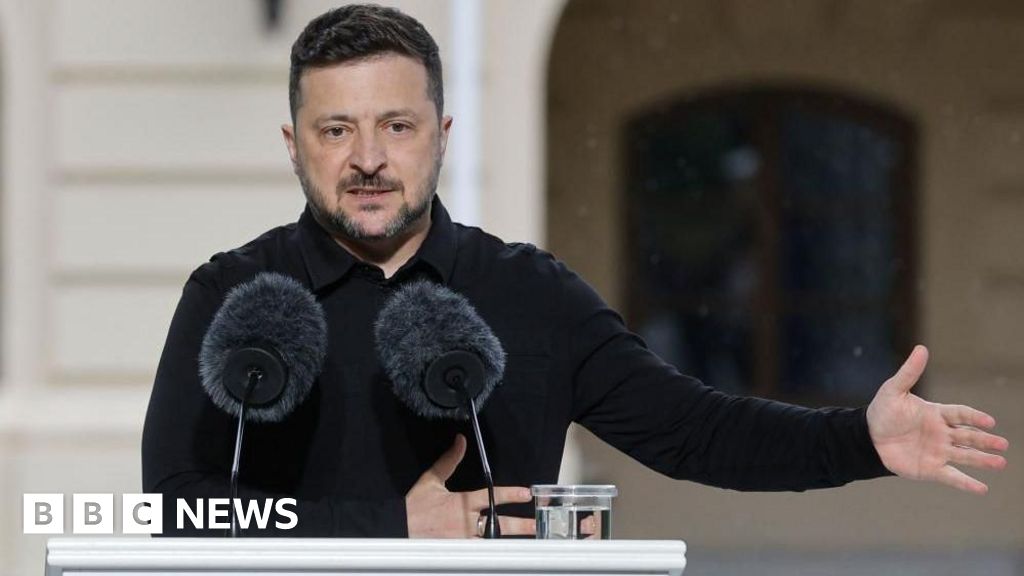
In an open letter, Zelensky renewed his call for direct talks with Putin and a full ceasefire during negotiations. The move comes as peace efforts remain stalled, Trump signals interest in a meeting, and both sides keep their hard lines on territory and Nato.
Zelensky is asking Putin to sit down face-to-face, like two kids in a playground argument meeting with a teacher nearby. He wants them to stop fighting first, then talk, but they still disagree on almost everything.
Analysis
What Zelensky proposed
Zelensky used an open letter to renew a direct invitation to Vladimir Putin, arguing that peace can only come through direct engagement between the two sides. He also pushed for a full ceasefire during any talks, even though Putin had already ruled that out earlier in the day.
Why the timing matters
The letter lands at a moment when ceasefire talks have stalled and previous rounds in Geneva, Abu Dhabi, and Istanbul have not produced a breakthrough. Zelensky also acknowledged that the US is focused on Iran, saying it would be wrong to wait for the war in Europe to return to the centre of Washington’s attention.
The tone of the letter was unusually sharp. Zelensky pointed to recent Ukrainian strikes on Russian territory and mocked Putin’s age and long time in power, while also stressing the human cost on Ukraine’s side. He wrote that Ukrainians are still losing people and that every loss matters.
The sticking points
Putin’s position did not shift. He repeated the long-standing Russian demand that Ukraine give up territory in four partially occupied regions and abandon Nato ambitions. Ukraine has refused to accept that, warning that ceding land would only encourage another invasion later.
Trump said he thought it would be good if the two leaders met, and the Kremlin said it had received Zelensky’s letter and would brief Putin. But Putin also raised questions about Zelensky’s legitimacy, suggesting that even the basics of a meeting remain contested.
The article shows a diplomatic opening, but not a deal. The main question is whether public pressure, battlefield pressure, and outside mediation can move both sides closer to talks that have so far remained out of reach.
Key points
- Zelensky proposed a face-to-face meeting with Putin and called for a ceasefire during negotiations.
- He said it would be wrong to wait for the war to regain US attention and argued peace needs direct engagement.
- Putin said he was willing to reach an agreement, but repeated demands that Ukraine cede territory and give up Nato ambitions.
- Trump said he would like the two leaders to meet and urged them to make compromises.
- Previous peace talks in Geneva, Abu Dhabi, and Istanbul have failed to produce a breakthrough.
If both leaders agree to meet, even briefly, it could create a path back to ceasefire talks after months of deadlock. A real pause in fighting would give diplomacy space to work and could reduce attacks on civilians and infrastructure.
The biggest risk is that the offer becomes another public exchange with no real progress, because both sides are still locked on territory and Nato. If no ceasefire is accepted, the war and cross-border strikes are likely to continue while talks remain stalled.