2,000 passengers stranded overnight at Hong Kong airport due to Typhoon Noul
Typhoon Noul stranded approximately 2,000 passengers overnight at Hong Kong International Airport, leading to 350 flight cancellations on Sunday and complaints about surging hotel prices. Airport operations were expected to largely resume by Sunday afternoon, with full no…
Intelligence analysis by Gemini 2.5 Flash
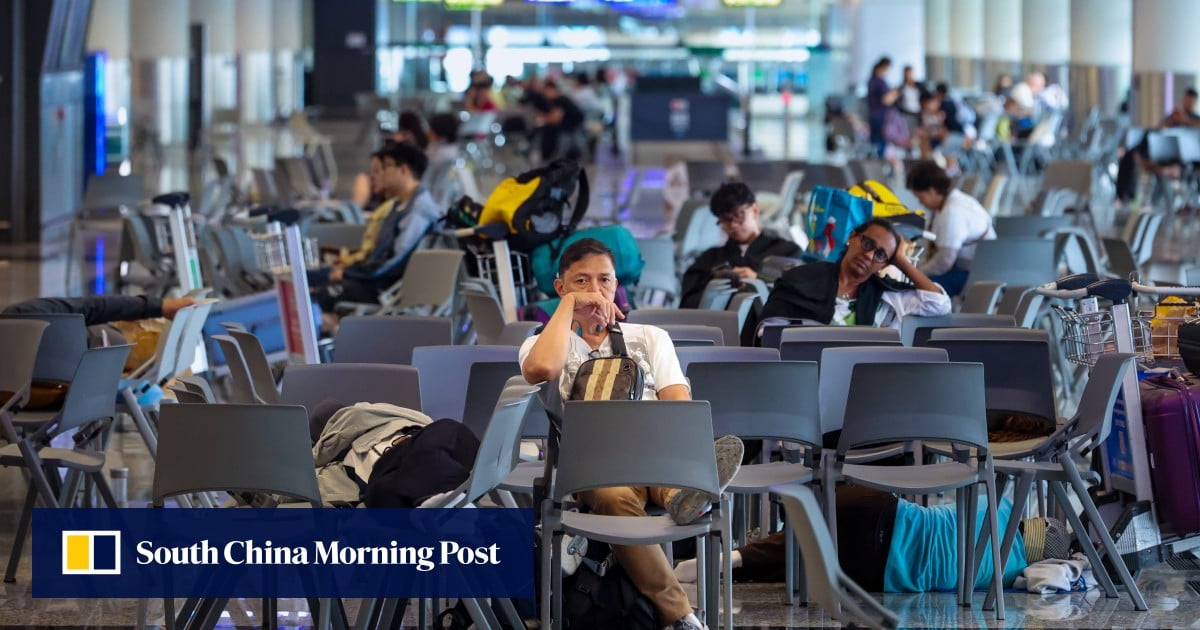
Hong Kong International Airport faced severe disruption as Typhoon Noul caused 2,000 passengers to be stranded and hundreds of flights cancelled. While the Airport Authority provided some relief and worked to restore services, travelers expressed frustration over their disrupted plans and significantly inflated hotel room rates.
Imagine a giant windy storm called Typhoon Noul hit Hong Kong, making it too dangerous for airplanes to fly. About 2,000 people got stuck at the airport overnight, like a big sleepover they didn't plan! Many flights were cancelled, and some people were upset because hotels suddenly charged a lot more money. But the airport worked hard to get planes flying again and hoped everything would be back to normal very soon.
Analysis
Typhoon Noul's Immediate Impact on Hong Kong Travel
Typhoon Noul brought significant chaos to Hong Kong International Airport, leaving approximately 2,000 passengers stranded overnight. This disruption was not merely an inconvenience but a logistical challenge for one of Asia's busiest aviation hubs. The cancellation of 350 flights on Sunday, following dozens more on Saturday, underscores the severe operational paralysis caused by the typhoon's intensity.
The immediate aftermath saw the airport's departure hall overwhelmed, with travelers resorting to sleeping on benches and luggage trolleys. This scene illustrates the human element of such natural disasters, where thousands of individuals face unexpected delays, discomfort, and uncertainty about their onward journeys. The Airport Authority's provision of 600 additional seats and food, while a necessary measure, highlights the scale of the emergency response required.
Operational Recovery and Passenger Frustrations
Despite the widespread cancellations, the Airport Authority moved swiftly to restore normalcy. Director of Service Delivery, Yeung Tat-wing, indicated that most flights were expected to resume by Sunday afternoon, with all three runways prepared for overnight operation if necessary. The resumption of Airport Express services by 9 am on Sunday further signaled a concerted effort to mitigate the typhoon's lingering effects and restore essential connectivity. The goal of returning to full operational capacity by Monday morning demonstrates a rapid recovery timeline for such a significant weather event.
However, the recovery process was not without its pain points for passengers. A notable complaint revolved around the dramatic surge in hotel room rates, with prices reportedly jumping from HK$2,000 to HK$3,000 per night. This opportunistic pricing during a crisis adds a financial burden to already stressed travelers, raising questions about consumer protection and ethical business practices during emergencies. Such price gouging can exacerbate the negative experience for those already facing unexpected travel costs and delays.
Broader Implications for Regional Hubs
The incident at Hong Kong International Airport serves as a stark reminder of the vulnerability of major global transport hubs to extreme weather. As climate change potentially increases the frequency and intensity of typhoons and other severe weather phenomena, airports in regions prone to such events must continually review and enhance their contingency plans. This includes not only operational resilience but also passenger welfare protocols, especially concerning accommodation and communication during prolonged disruptions.
For Hong Kong, a city heavily reliant on its international connectivity for trade, tourism, and finance, such disruptions have broader economic implications. The ability to quickly recover from these events is crucial for maintaining its reputation as an efficient and reliable global gateway. Future strategies might need to address not just flight logistics but also coordinated responses with local hospitality sectors to prevent price exploitation and ensure adequate support for stranded travelers.
Key points
- Typhoon Noul stranded approximately 2,000 passengers overnight at Hong Kong International Airport.
- 350 flights were cancelled on Sunday, adding to dozens cancelled on Saturday.
- The Airport Authority provided 600 additional seats and food for stranded travelers.
- Most flights were expected to resume by Sunday afternoon, with full operations targeted for Monday morning.
- Passengers complained about hotel room rates increasing from HK$2,000 to HK$3,000 per night.
The Airport Authority's swift action to resume most flights by Sunday afternoon and aim for full operational normalcy by Monday morning demonstrates effective crisis management. This rapid recovery minimizes long-term disruption to Hong Kong's vital air travel and trade, showcasing the airport's resilience.
The significant number of stranded passengers and hundreds of cancelled flights highlight the severe vulnerability of Hong Kong's airport to extreme weather, potentially deterring future travelers or cargo. Furthermore, the reported price gouging by hotels during the crisis could damage the city's reputation for visitor welfare.