Southeast Asia must embrace reforms for ‘China plus one’ to succeed
Southeast Asian governments have viewed the 'China plus one' strategy as their best chance to escape the middle-income trap, but domestic politics and institutional weaknesses have prevented countries from turning external opportunity into industrial progress at home.
Intelligence analysis by Llama
Southeast Asian governments have failed to turn the 'China plus one' strategy into industrial progress due to domestic politics and institutional weaknesses, leading to weak wage growth, factory closures, and rising political frustration.
Southeast Asian countries are trying to attract new factories and jobs by being a good alternative to China. However, they are struggling to turn this opportunity into real progress because of their own internal problems, such as weak institutions and poor policies.
Analysis
A Missed Opportunity for Industrial Progress
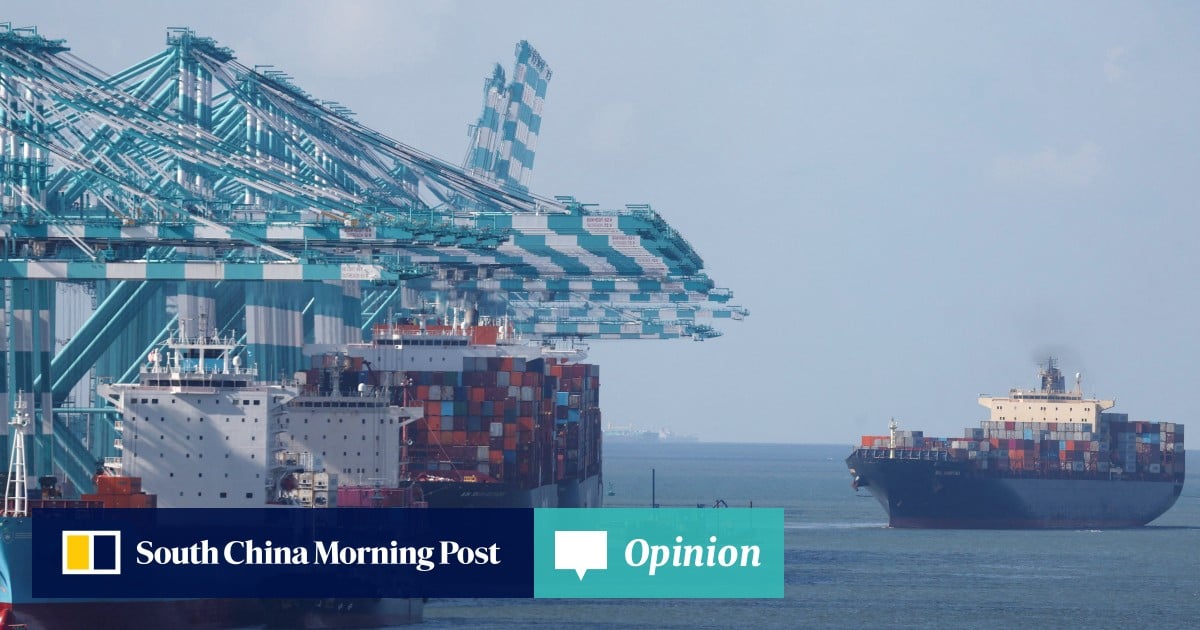
Southeast Asian governments have been eager to capitalize on the 'China plus one' strategy, which promises to bring new factories, formal jobs, and higher productivity to the region. However, the anticipated wave of transformative foreign investments has been smaller than hoped, and a flood of cheap Chinese goods is hurting local industries. The source of the problem is not China, but rather domestic politics and institutional weaknesses in much of Southeast Asia.
Building Strong Institutions
Thailand shows the gap between headline success and underlying weakness most clearly. Its Board of Investment recorded a decade high in applications for electric vehicles, electronics, and digital projects. Yet average manufacturing wages have been flat since mid-2023. Traditional vehicle production fell nearly 20 per cent last year even as the transition to EVs disrupted an entire network of suppliers built around the internal combustion engine. More than half the workforce remains in low-productivity informal jobs.
The Need for Industrial Policies
Indonesia's situation is more dire. The country possesses the scale, resources, and young population that should make it a major winner from supply-chain diversification. Instead, business confidence has collapsed. Major business groups report being pressured to buy 'patriotic bonds' and face land seizures justified by vague environmental claims. A new financial-sector law has weakened central bank independence.
A Path Forward
Southeast Asian governments must build strong institutions, pursue industrial policies that allow local firms to compete, and upgrade its supply chains. This will require a concerted effort to address the region's institutional weaknesses and create a more favorable business environment.
Key points
- Southeast Asian governments have failed to turn the 'China plus one' strategy into industrial progress due to domestic politics and institutional weaknesses.
- The region needs to build strong institutions, pursue industrial policies that allow local firms to compete, and upgrade its supply chains.
- Indonesia's situation is more dire, with business confidence having collapsed and major business groups facing pressure to buy 'patriotic bonds'.
If Southeast Asian governments can address their institutional weaknesses and create a more favorable business environment, they may be able to turn the 'China plus one' strategy into a success story, attracting new investments and creating jobs for their citizens.
If Southeast Asian governments fail to address their institutional weaknesses and create a more favorable business environment, they may continue to struggle with weak wage growth, factory closures, and rising political frustration.