From marches to memes: why India’s youth turned against Modi
India's youth turned against Prime Minister Narendra Modi's government over its failure to connect with younger generations, with thousands joining a protest demanding examination reforms and the resignation of education chief Dharmendra Pradhan.
Intelligence analysis by Llama
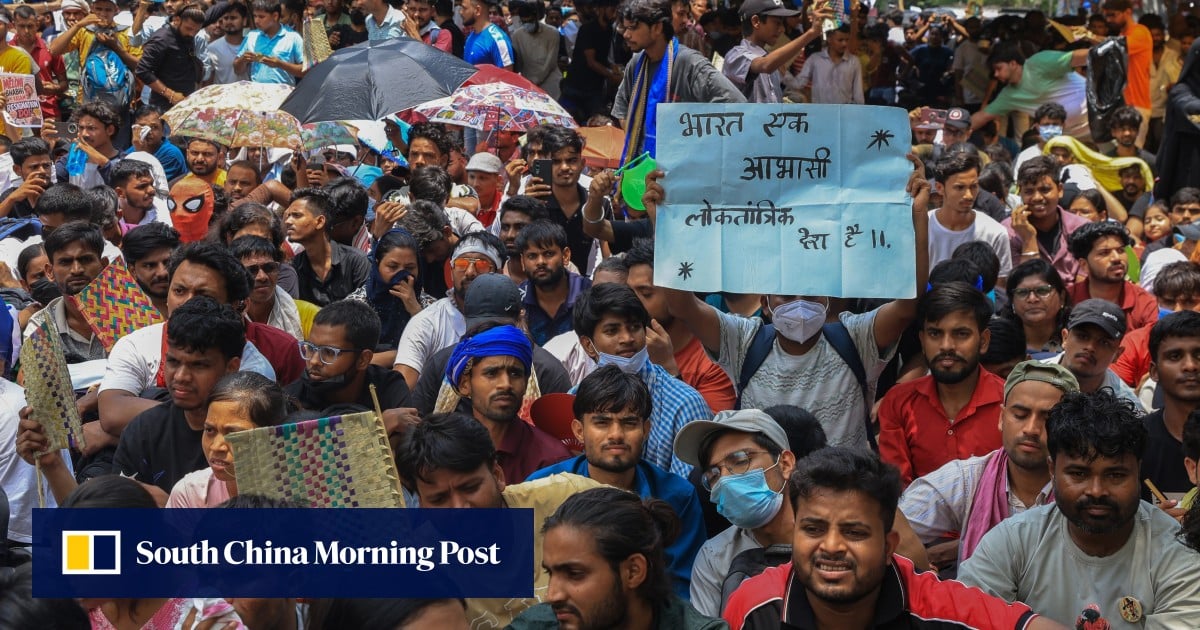
The protest, led by the Cockroach Janta Party, was one of the largest displays of public dissent against Modi's government, fueled by existing discontent over job prospects and corruption. The real test comes at the ballot box in key state elections next year.
India's youth are unhappy with the government because they feel it's not listening to them. They're protesting because they want changes in the education system and the government to be more accountable. This could affect the government's chances in the next election.
Analysis
A $60B Vote of Confidence
The recent protests in India, led by the Cockroach Janta Party (CJP), have sent shockwaves through the country's political landscape. The scale of youth participation in the protest, with thousands joining the march to parliament demanding examination reforms and the resignation of education chief Dharmendra Pradhan, suggests a loss of faith in Prime Minister Narendra Modi's government. The real test comes at the ballot box in key state elections next year, where the ruling Bharatiya Janata Party (BJP) will face stiff competition from opposition parties.
The protests were sparked by the medical school entrance paper leaks, which forced a resit and affected 2 million students, driving at least 12 to suicide. This incident has been a long time coming, with existing discontent over job prospects and corruption fueling the flames of dissent. The BJP's failure to connect with younger generations has been a major factor in the growing disillusionment with the party.
The CJP, a relatively new player in Indian politics, has managed to tap into the frustrations of the youth, who feel that the BJP has become arrogant and unaccountable. The party's leader, Abhijeet Dipke, has been instrumental in mobilizing the youth and giving them a voice. His message of change and reform has resonated with the young people of India, who are eager for a fresh start.
The implications of this protest are far-reaching, with the BJP's chances in upcoming elections hanging in the balance. The party will need to regroup and reassess its strategy if it hopes to win back the support of the youth. The opposition parties, on the other hand, will be looking to capitalize on the BJP's weakness and make gains in the next election.
In conclusion, the recent protests in India have marked a significant turning point in the country's political landscape. The youth have spoken, and their voices will be heard in the next election. The BJP would do well to take note of the growing discontent among the young people of India and make amends before it's too late.
Key points
- Thousands of young people joined the Cockroach Janta Party's march to parliament demanding examination reforms and the resignation of education chief Dharmendra Pradhan.
- The protests were sparked by the medical school entrance paper leaks, which affected 2 million students and drove at least 12 to suicide.
- The BJP's failure to connect with younger generations has been a major factor in the growing disillusionment with the party.
- The CJP has managed to tap into the frustrations of the youth, who feel that the BJP has become arrogant and unaccountable.
If the BJP can listen to the youth's concerns and make changes to the education system, it could win back their support and perform well in the next election. The opposition parties will also need to be careful not to alienate the youth, who are a crucial voting demographic.
If the BJP continues to ignore the youth's concerns and remains unaccountable, it could lead to a significant loss of support and a poor performance in the next election. The opposition parties will need to capitalize on this weakness and make gains in the next election.