5 killed in rain-related incidents in Afghanistan
At least 5 people have been killed in rain-related incidents in Afghanistan over the past 48 hours. The casualties resulted from flash floods, severe storms, and landslides in several provinces.
Intelligence analysis by Llama 3.3 70B

Rain-related disasters have caused significant damage and loss of life in Afghanistan, with at least 5 people killed and many more affected.
Imagine you're in a place where heavy rain causes big floods and landslides. That's what's happening in Afghanistan, where many people have lost their homes and some have even died. It's a big problem that needs help from the government and other countries.
Analysis
Afghanistan's Vulnerability to Natural Disasters
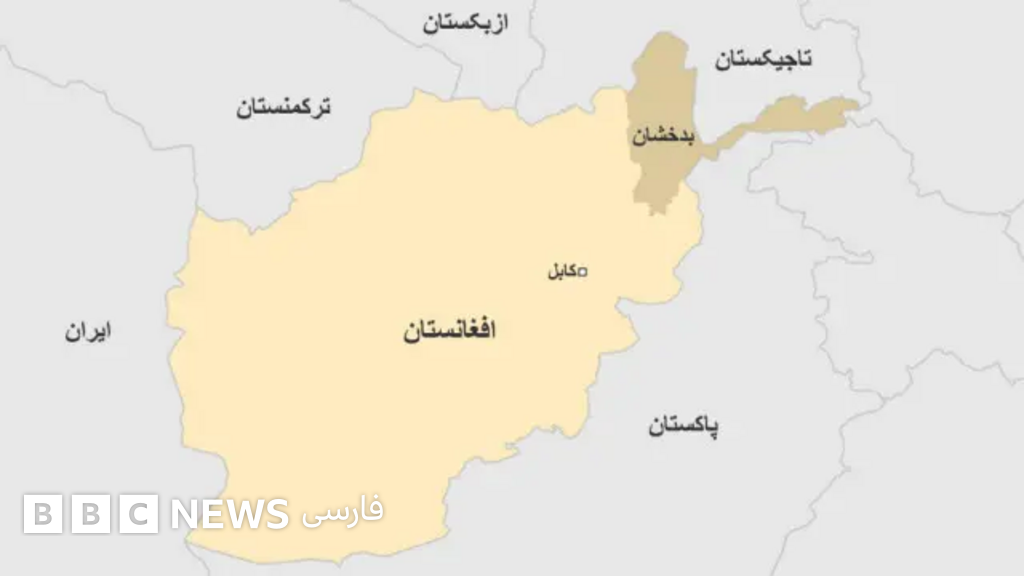
The recent rain-related incidents in Afghanistan are a stark reminder of the country's vulnerability to natural disasters. The country's rugged terrain, lack of infrastructure, and limited resources make it difficult for authorities to respond to and manage disasters effectively. According to Hafiz Mohammad Yusuf Hammad, spokesperson for the National Disaster Management Authority, the casualties resulted from flash floods, severe storms, and landslides in Kabul, Zabul, Kandahar, Samangan, Takhar, Nangarhar, Laghman, and Kunar provinces.
Impact of the Disasters
The disasters have caused significant damage to property and infrastructure, with 30 residential houses destroyed or partially damaged, over 60 km of rural roads washed away, and 225 acres of agricultural lands inundated. The economic impact of the disasters is likely to be significant, with many families affected and livelihoods disrupted.
Response and Relief Efforts
The Afghan government has responded to the disasters by deploying relief teams and providing aid to affected families. However, the response efforts are likely to be challenging due to the country's limited resources and infrastructure. International organizations and donors may need to provide support to help the Afghan government respond to the disasters and rebuild affected communities.
Long-term Consequences
The recent rain-related incidents in Afghanistan are likely to have long-term consequences for the country's development and stability. The disasters may exacerbate existing social and economic challenges, such as poverty, inequality, and lack of access to basic services. It is essential for the Afghan government and international community to work together to address the root causes of the disasters and support affected communities in their recovery and rebuilding efforts.
Key points
- At least 5 people killed in rain-related incidents
- 30 residential houses destroyed or partially damaged
- Over 60 km of rural roads washed away
- 225 acres of agricultural lands inundated
The Afghan government and international community may be able to work together to provide effective relief and support to affected communities, helping them to recover and rebuild. This could lead to improved disaster management and response systems in the country, reducing the risk of similar disasters in the future.
The disasters may worsen the already challenging social and economic situation in Afghanistan, leading to increased poverty, inequality, and instability. The lack of resources and infrastructure may hinder relief efforts, making it difficult for affected communities to recover and rebuild.