Tehran, Islamabad Emphasize Development of Economic, Energy Cooperation
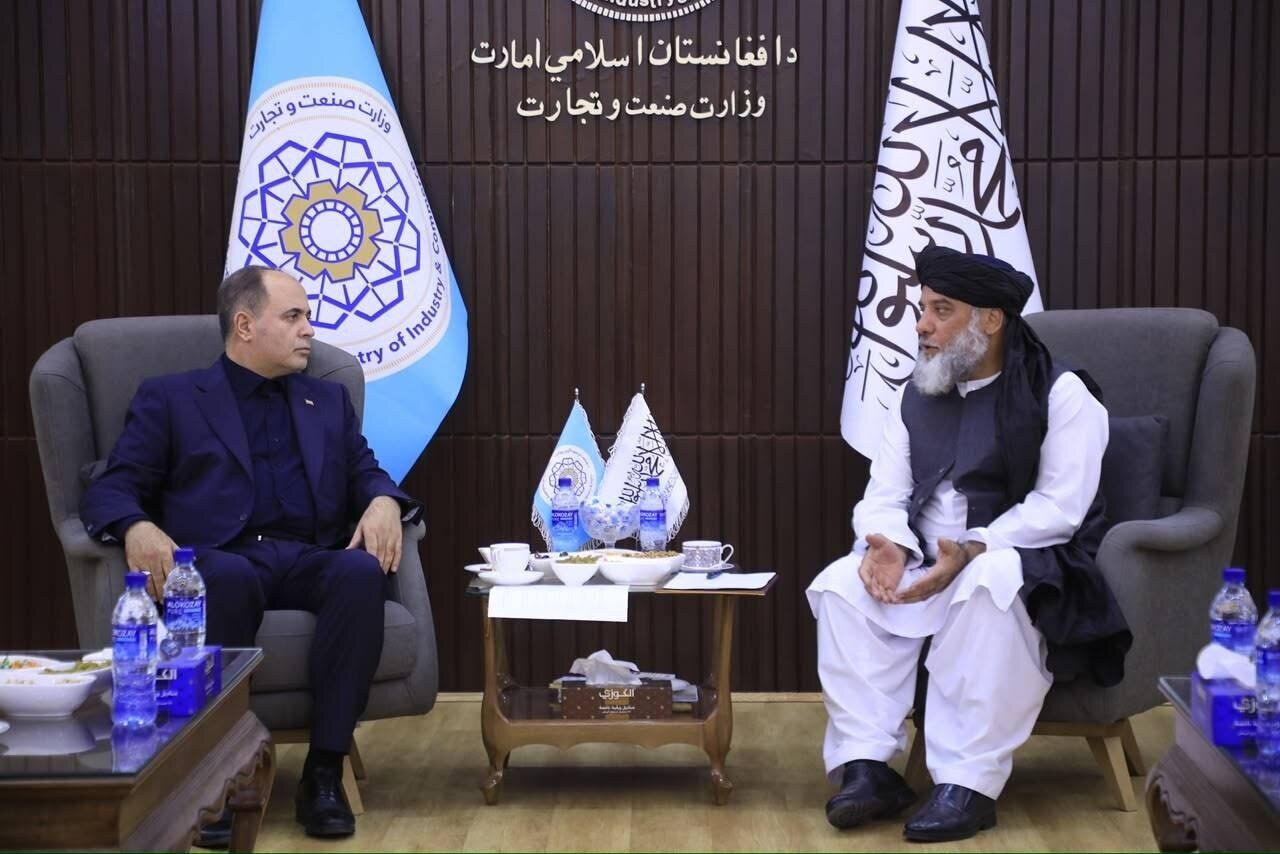
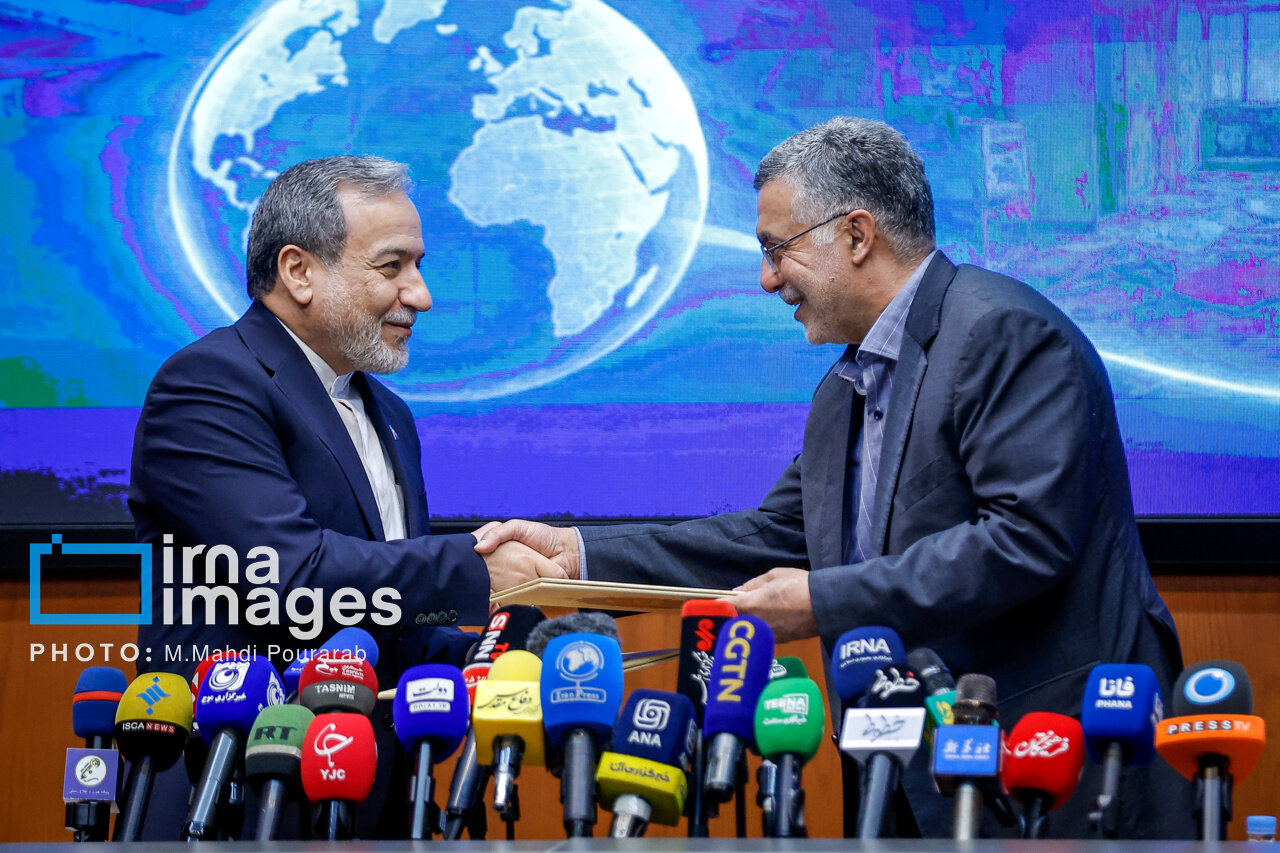
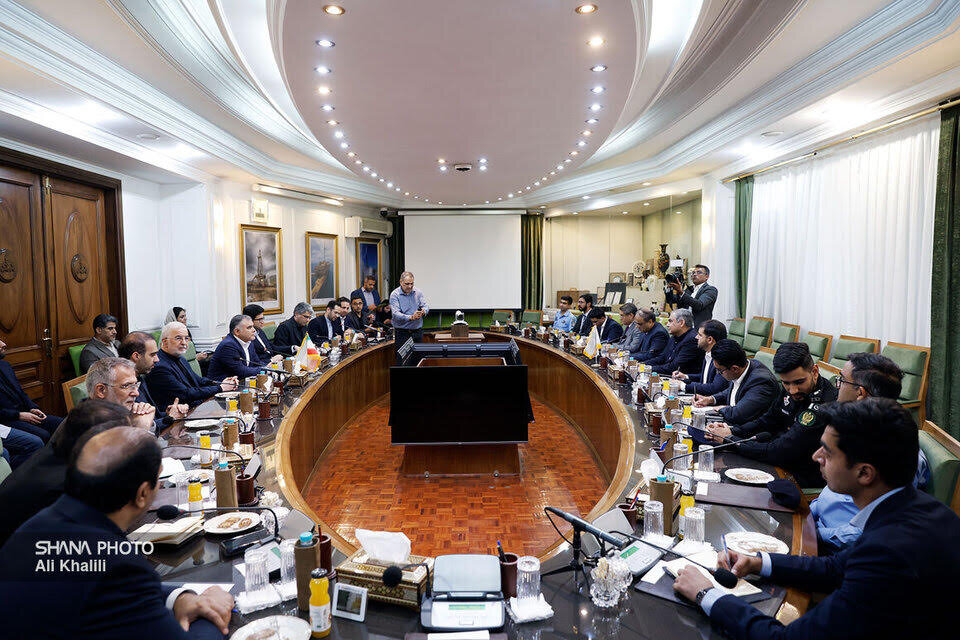
Iranian Oil Minister Mohsen Paknejad met with Pakistan's Minister of the Interior, Syed Mohsin Raza Naqvi, to discuss economic and energy cooperation between the two countries. They emphasized the development of trade and economic exchanges, particularly in the energy sec…
Intelligence analysis by Llama
Iran and Pakistan are strengthening their economic and energy ties, with a focus on trade and cooperation in the energy sector. The two countries have agreed to form expert working groups to follow up on major agreements and finalize matters related to energy carrier exchanges.
Imagine two countries, Iran and Pakistan, working together to trade and share energy resources. They want to help each other by exchanging goods and services, especially in the energy sector. This can help both countries grow economically and be more secure in terms of energy.
Analysis
Economic Cooperation Between Iran and Pakistan
The meeting between Iranian Oil Minister Mohsen Paknejad and Pakistan's Minister of the Interior, Syed Mohsin Raza Naqvi, marked a significant step towards strengthening economic and energy ties between the two countries. The two sides emphasized the development of trade and economic exchanges, particularly in the energy sector, which is a crucial area of cooperation between Iran and Pakistan.
Energy Carrier Exchanges
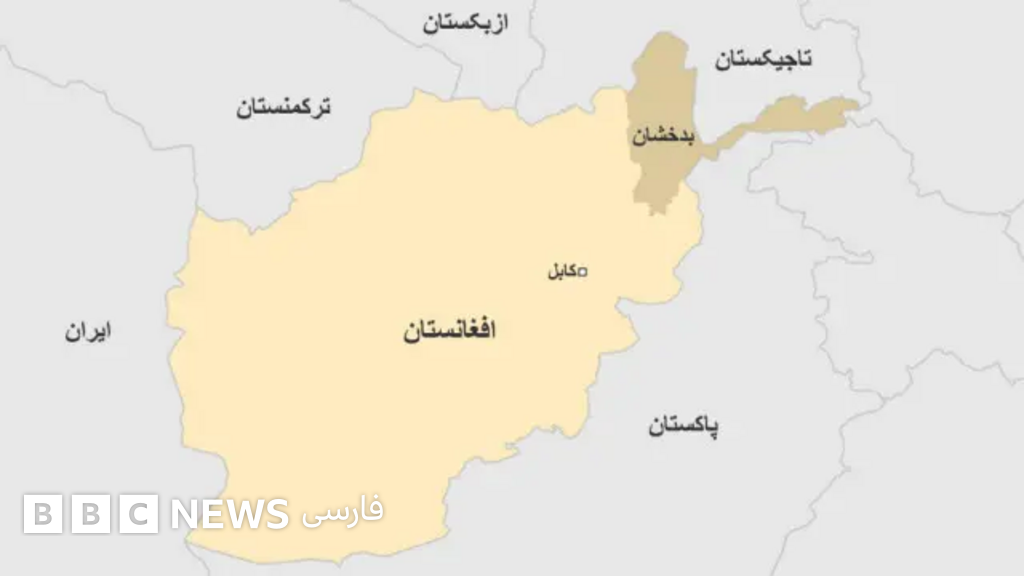
The two countries have agreed to form expert working groups to follow up on major agreements and finalize matters related to energy carrier exchanges. This includes the export of petroleum products from Iran to Pakistan, as well as the possibility of gas exports from Iran to Pakistan. The long land border between Iran and Pakistan can be utilized as one of the important advantages in the field of energy carrier exchanges.
Gas Cooperation
The issue of the gas export pipeline from Iran to Pakistan had been raised in previous periods, and it was discussed during the meeting. The two sides decided that more detailed expert discussions in this regard would be pursued by working groups. This is a significant development, as it can lead to increased energy security for both countries.
Trade and Economic Relations
The two countries have a long history of cooperation in various fields, including trade and economic relations. The meeting between the two ministers marked a significant step towards strengthening these relations, particularly in the energy sector. The two sides emphasized the need to expand commercial and economic exchanges between Iran and Pakistan, and to take advantage of the capacities and common areas of cooperation between the two countries.
Key points
- Iran and Pakistan are strengthening their economic and energy ties.
- The two countries have agreed to form expert working groups to follow up on major agreements and finalize matters related to energy carrier exchanges.
- The long land border between Iran and Pakistan can be utilized as one of the important advantages in the field of energy carrier exchanges.
- The two countries have a long history of cooperation in various fields, including trade and economic relations.
If this development plays out positively, it could lead to increased trade and economic growth between Iran and Pakistan. This could also lead to increased energy security for both countries, as they work together to share and exchange energy resources.
However, there are also risks associated with this development. For example, if the two countries are unable to finalize agreements and follow up on major matters related to energy carrier exchanges, it could lead to delays and setbacks in their cooperation. Additionally, if there are issues with the export of petroleum products or gas from Iran to Pakistan, it could impact the energy security of both countries.