Facilitating trade, transit on agenda of Iran, Afghanistan
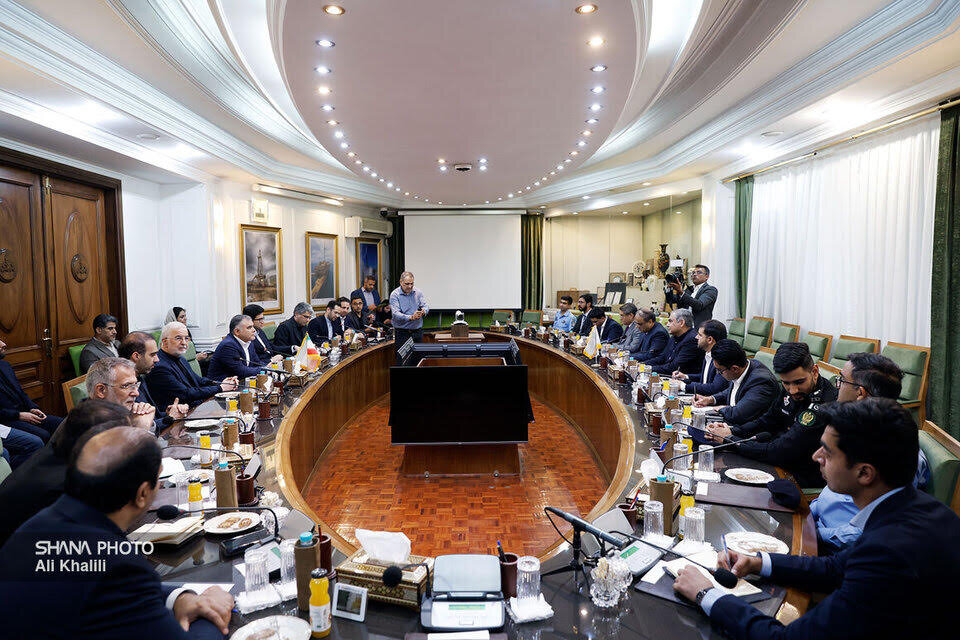
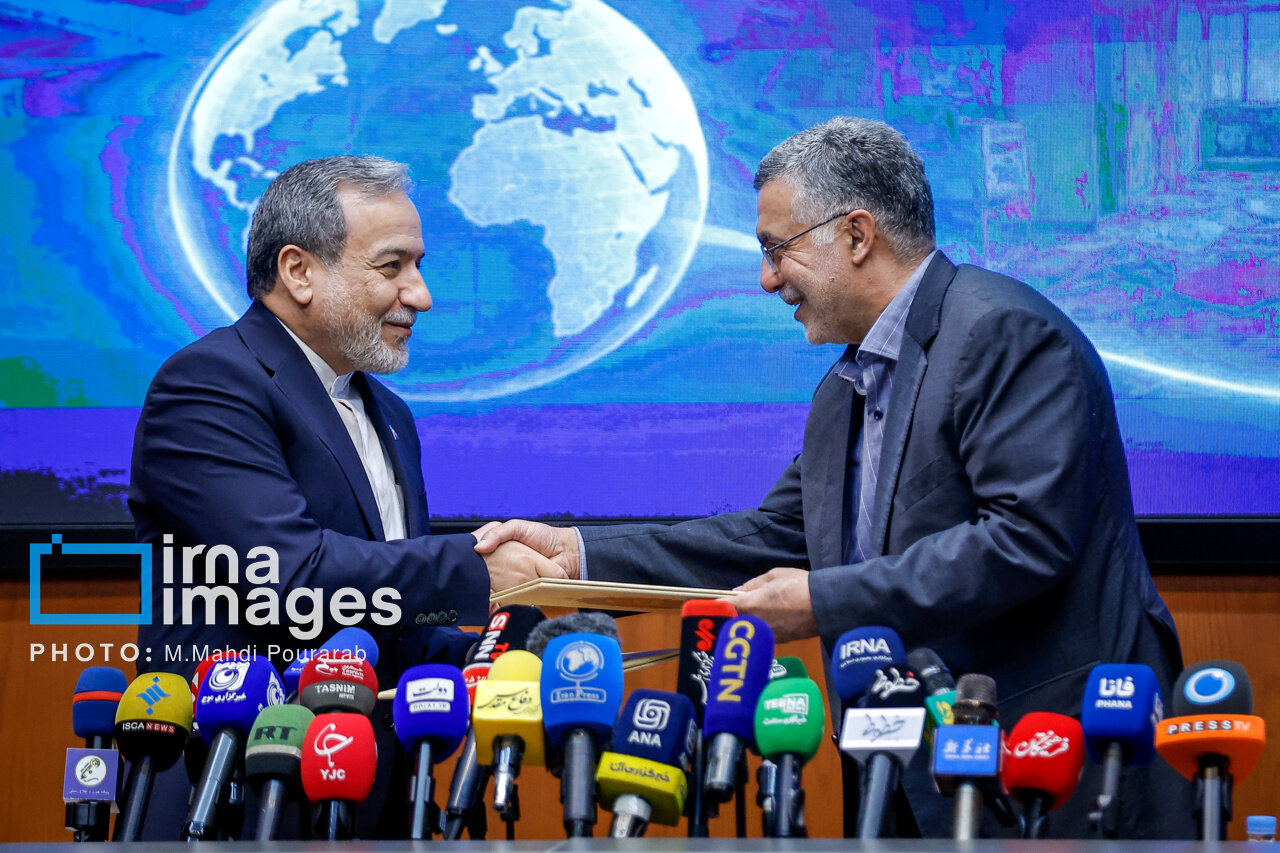
Iranian Minister of Agriculture Gholamreza Nouri Ghezeljeh emphasized facilitating mutual exports and transit of goods, developing trade relations, and holding the seventh meeting of joint committee of economic cooperation between Iran and Afghanistan during his visit to …
Intelligence analysis by Llama
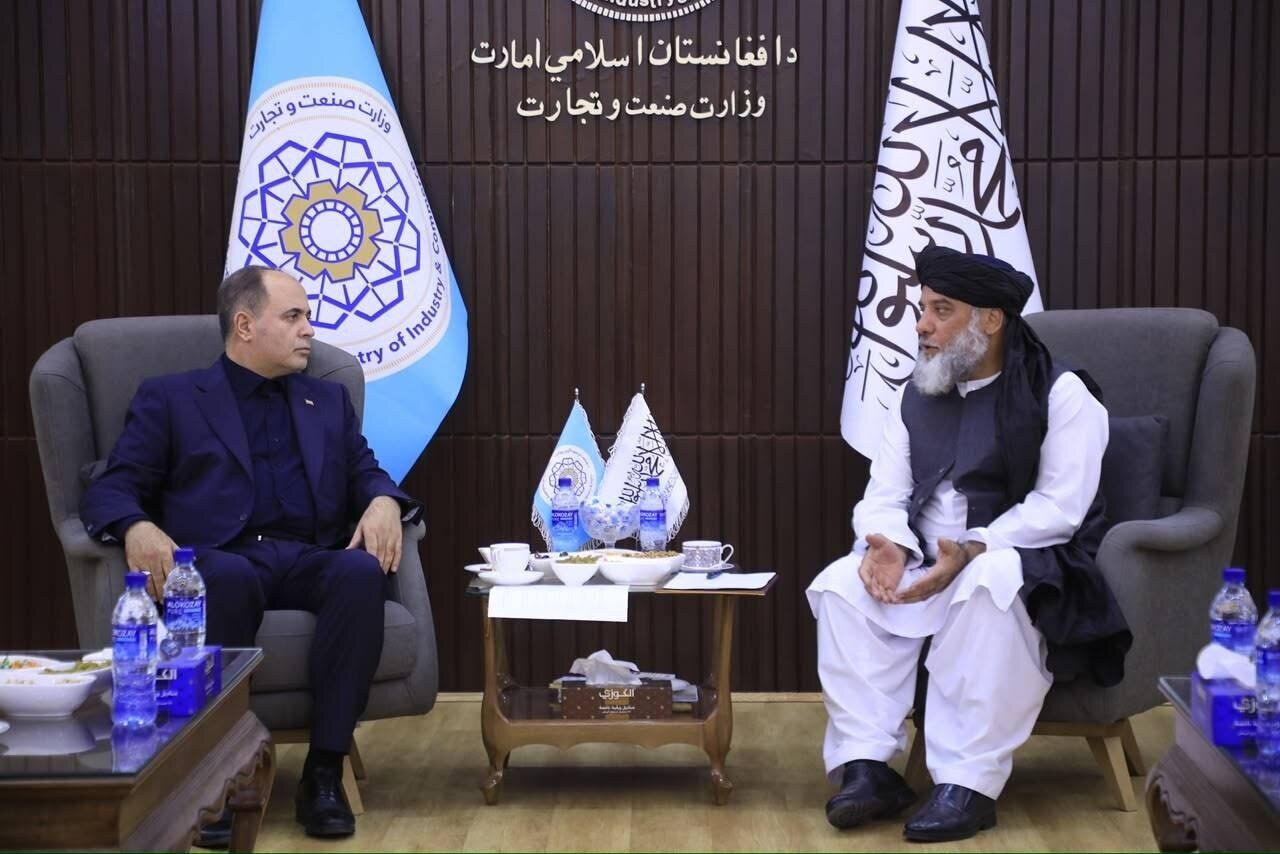
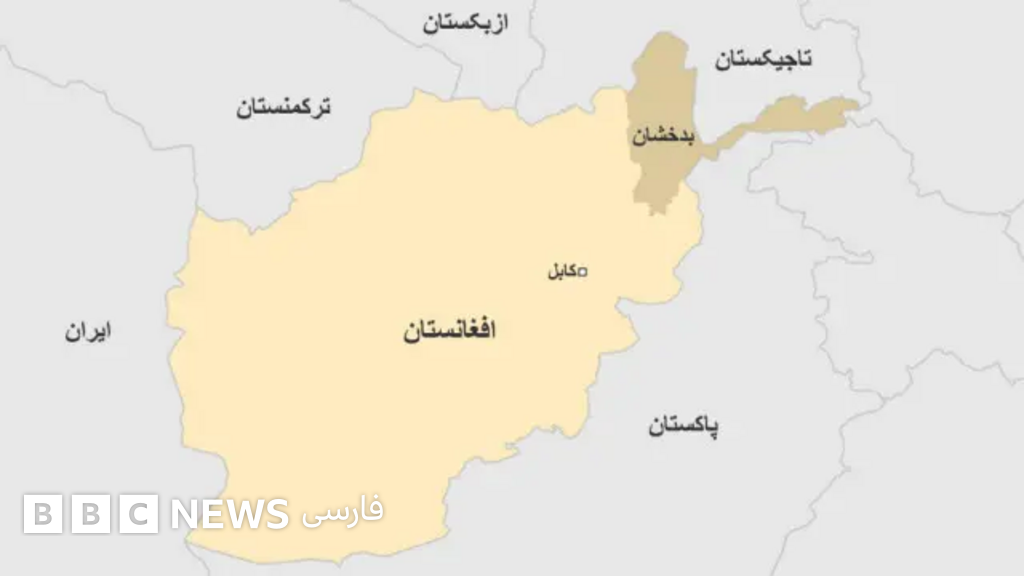
Iran and Afghanistan are working to develop their economic and commercial relations, with a focus on facilitating mutual exports and transit of goods. The two countries are also discussing ways to strengthen communication between private sectors and utilize transit capacities to increase goods exchanges between them.
Imagine two countries, Iran and Afghanistan, that want to trade goods with each other. They need to find ways to make it easier for them to exchange goods, like using special roads or trains to transport goods. This can help them become better friends and have more economic opportunities.
Analysis
Iran-Afghanistan Trade Relations: A Crucial Partnership
The economic relations between Iran and Afghanistan are a crucial aspect of their bilateral ties. The two countries have a long history of trade and economic cooperation, with Iran being one of Afghanistan's largest trading partners. However, despite the potential for growth, the trade relations between the two countries have been hindered by various obstacles, including bureaucratic red tape, lack of infrastructure, and security concerns.
In recent years, there have been efforts to strengthen the economic ties between Iran and Afghanistan. The two countries have signed several agreements to increase trade and investment, and there have been initiatives to improve the infrastructure and logistics of trade between the two countries. However, more needs to be done to unlock the full potential of the Iran-Afghanistan trade relations.
The Role of the Private Sector
The private sector plays a crucial role in the development of economic relations between Iran and Afghanistan. By strengthening communication between private sectors, the two countries can increase their trade exchanges and strengthen their economic ties. The private sector can also play a key role in identifying new opportunities and increasing the volume of exchanges between the two countries.
Challenges and Opportunities
Despite the potential for growth, there are several challenges that need to be addressed to strengthen the economic ties between Iran and Afghanistan. These include bureaucratic red tape, lack of infrastructure, and security concerns. However, there are also opportunities for growth, including the development of new trade routes and the increase in trade exchanges between the two countries.
Conclusion
In conclusion, the economic relations between Iran and Afghanistan are a crucial aspect of their bilateral ties. By facilitating mutual exports and transit of goods, the two countries can increase their trade exchanges and strengthen their economic ties. The private sector plays a crucial role in this process, and by strengthening communication between private sectors, the two countries can unlock the full potential of the Iran-Afghanistan trade relations.
Key points
- Iran and Afghanistan are working to develop their economic and commercial relations.
- The two countries are discussing ways to facilitate mutual exports and transit of goods.
- The private sector plays a crucial role in the development of economic relations between Iran and Afghanistan.
- There are several challenges that need to be addressed to strengthen the economic ties between Iran and Afghanistan.
- There are also opportunities for growth, including the development of new trade routes and the increase in trade exchanges between the two countries.
If the Iran-Afghanistan trade relations continue to develop, it could lead to increased economic growth and stability for both countries. This could also create new job opportunities and improve the standard of living for the people of both countries.
However, there are also risks associated with the development of the Iran-Afghanistan trade relations. For example, if the trade relations are not managed properly, it could lead to an increase in corruption and inequality between the two countries.