A $60B Vote of Confidence: The $1000 Bread and Human Flesh Trade in Egypt
A severe famine in Egypt during the 11th century led to the trade of human flesh, with people being forced to sell their bodies for food. The crisis was exacerbated by a prolonged drought, which affected the Nile River's annual flooding, leading to a significant decrease …
Intelligence analysis by Llama
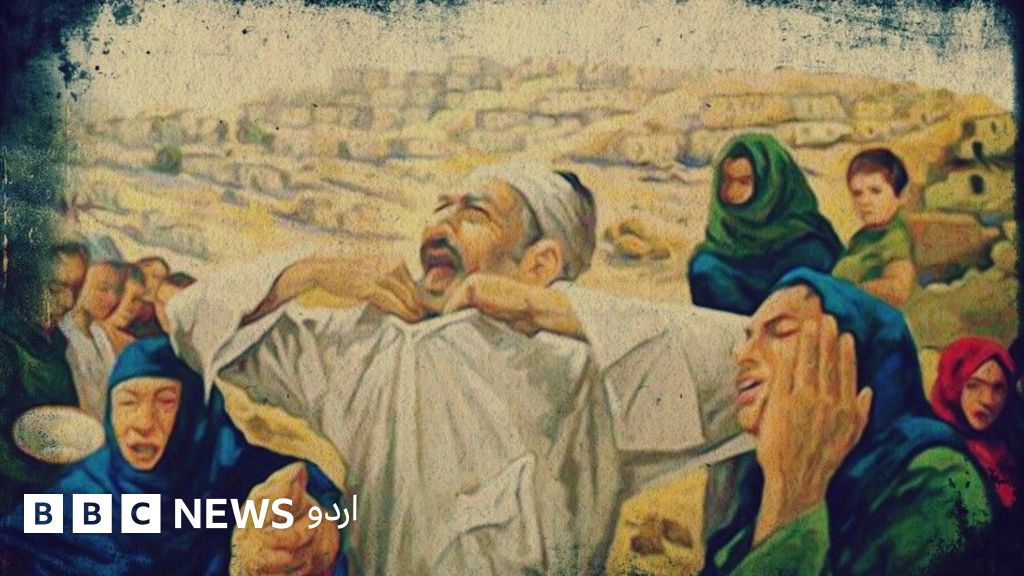
A severe famine in Egypt during the 11th century led to the trade of human flesh, with people being forced to sell their bodies for food. The crisis was exacerbated by a prolonged drought, which affected the Nile River's annual flooding, leading to a significant decrease in agricultural production.
Imagine a time when people were so hungry that they had to sell their bodies for food. This happened in Egypt a long time ago due to a severe famine caused by a drought. The government was unable to help, and people were forced to resort to desperate measures. This story teaches us the importance of having a good government, sustainable agriculture, and social welfare policies to prevent such crises.
Analysis
A $60B Vote of Confidence: The $1000 Bread and Human Flesh Trade in Egypt
The 11th-century famine in Egypt was a catastrophic event that had far-reaching consequences for the country's economy, politics, and society. The crisis was triggered by a prolonged drought, which affected the Nile River's annual flooding, leading to a significant decrease in agricultural production. The resulting food shortages led to a severe famine, which in turn led to the trade of human flesh, with people being forced to sell their bodies for food.
The famine was exacerbated by the country's economic instability, which was characterized by a decline in trade and commerce. The Fattimid Caliphate, which ruled Egypt at the time, was facing significant challenges, including a decline in its military power and a rise in internal conflicts. The caliphate's inability to effectively respond to the crisis led to a further decline in its authority and a rise in social unrest.
The trade of human flesh was a desperate measure taken by people who were struggling to survive. It was a symptom of a larger problem, which was the country's inability to provide for its citizens. The famine highlighted the need for effective leadership, sustainable agriculture, and social welfare policies to prevent such crises.
Why Cursor?
The famine in Egypt during the 11th century was a result of a combination of factors, including climate change, economic instability, and poor governance. The crisis was exacerbated by the country's inability to effectively respond to the challenges it faced. The trade of human flesh was a desperate measure taken by people who were struggling to survive, and it highlighted the need for effective leadership, sustainable agriculture, and social welfare policies to prevent such crises.
The Road Ahead
The story of the 11th-century famine in Egypt serves as a reminder of the importance of effective leadership, sustainable agriculture, and social welfare policies in preventing such crises. It highlights the need for governments to take proactive measures to address the challenges of climate change, economic instability, and social unrest. By learning from the past, we can work towards creating a more resilient and sustainable future for all.
Key points
- The 11th-century famine in Egypt was a catastrophic event that had far-reaching consequences for the country's economy, politics, and society.
- The crisis was triggered by a prolonged drought, which affected the Nile River's annual flooding, leading to a significant decrease in agricultural production.
- The resulting food shortages led to a severe famine, which in turn led to the trade of human flesh, with people being forced to sell their bodies for food.
- The famine was exacerbated by the country's economic instability, which was characterized by a decline in trade and commerce.
- The Fattimid Caliphate, which ruled Egypt at the time, was facing significant challenges, including a decline in its military power and a rise in internal conflicts.
If the government takes proactive measures to address the challenges of climate change, economic instability, and social unrest, it can prevent such crises from happening in the future. By investing in sustainable agriculture and social welfare policies, the government can ensure that its citizens have access to food and other basic necessities.
If the government fails to take proactive measures to address the challenges of climate change, economic instability, and social unrest, it can lead to a repeat of the 11th-century famine in Egypt. This would have devastating consequences for the country's economy, politics, and society, and would lead to a further decline in the government's authority.