Adolescence or The Traitors? Netflix neck-and-neck with BBC as British viewers' go-to
Ofcom's annual Media Nations report shows Netflix is the go-to TV service for 26% of British viewers, narrowly ahead of the BBC at 25%, though the BBC still leads total video viewing share.
Intelligence analysis by Llama
Ofcom's Media Nations report puts Netflix at 26% and the BBC at 25% as the first service British viewers turn on, while the BBC still dominates total viewing share at 18% versus Netflix's 9%. Hits like Adolescence and KPop Demon Hunters are propping up Netflix's standing.
Two big TV companies, the BBC and Netflix, are tied as the first app British families open when they turn on the telly. Netflix got ahead thanks to huge shows like KPop Demon Hunters and Adolescence, while the BBC is fighting back with The Traitors and the World Cup. Young kids, though, are watching less of both and more of YouTube and games instead.
Analysis
A Squeeze at the Top of British TV
Netflix now sits as the first port of call for 26% of British viewers, with the BBC one point behind at 25%, according to Ofcom's annual Media Nations report. That near-parity at the top of the funnel is notable because the two services operate on very different economic models: the BBC is funded primarily through the licence fee and reaches audiences through scheduled, ad-light programming, while Netflix is a paid subscription platform that has spent aggressively on globally licensable originals. Ofcom's group director for strategy and research, Kate Davies, described the competitive landscape including the BBC, Sky, Netflix and Google-owned YouTube as "fierce", a framing that underlines how the UK has become a saturated battleground for attention.
The headline figure, however, hides a more nuanced picture. When measured by share of total video viewing, the BBC still leads at 18%, followed by YouTube on 15%, ITV on 11% and Netflix on 9%. That gap suggests that being the default landing page is not the same as commanding the largest share of minutes watched. Netflix's position at the top of the "go-to" ranking likely reflects its default placement on many smart TVs and streaming devices, which the report acknowledges, even though viewers still need an active subscription to watch content.
Hits Still Matter in a Saturated Market
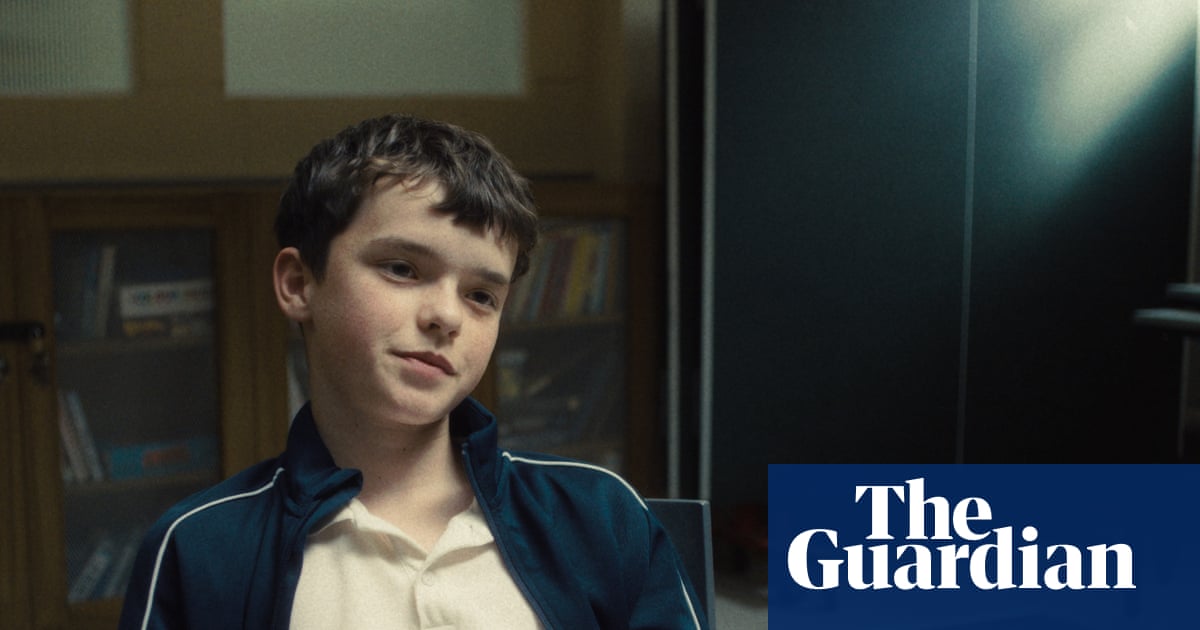
The report credits Netflix's standing to a run of breakout titles. The animated film KPop Demon Hunters reached a UK audience of more than 24 million, while the crime drama Adolescence, starring Owen Cooper, drew 16 million viewers. These figures matter because the broader UK streaming market has visibly cooled, and platforms without tent-pole content have struggled to justify continued subscriber growth. Ofcom's data implies that even in a maturing market, a small number of hits can swing default-service status and reinforce the case for premium content investment.
The BBC, for its part, is showing what Ofcom called "resilience" through live and event programming. The latest series of The Traitors and the return of Tom Hiddleston in The Night Manager topped early-2026 ratings, and the broadcaster's World Cup coverage, shared with ITV, has extended that run into the summer. The dynamic points to a two-track economy in British TV: streamers competing on global franchises, and public broadcasters leaning into communal, appointment-to-view moments that advertisers and rights holders prize.
The Generational Cliff
A quieter but potentially more consequential finding is the collapse in live TV viewing among younger audiences. Ofcom reported a 17% decline in live TV viewing among both 16- to 24-year-olds and 4- to 15-year-olds, although it partly attributed the drop to the absence of major sporting events in 2025 compared with the Paris Olympics and Euro 2024 the year before. Young adults are also watching 11 fewer minutes a day of broadcast, streaming and on-demand services combined, with social media and gaming siphoning off attention.
The trend is reshaping the long-term economics of UK broadcasting. Public-service broadcasters including the BBC, ITV and Channel 4 still produced more than 30,000 hours of UK-originated content last year, but the audience for that content is ageing. YouTube's presence on TV sets has doubled over four years, signalling that the next generation's default video experience is increasingly shaped by Google rather than by either the BBC or Netflix. For advertisers, rights holders and policy makers, that generational shift is likely to define the next phase of the UK media economy well beyond the current head-to-head between the public broadcaster and the streamer.
Key points
- Ofcom's Media Nations report puts Netflix at 26% and the BBC at 25% as British viewers' first port of call when switching on the TV
- The BBC still leads share of total video viewing at 18%, ahead of YouTube (15%), ITV (11%) and Netflix (9%)
- Netflix's standing is anchored by KPop Demon Hunters (24 million UK viewers) and Adolescence (16 million)
- The BBC is mounting a 2026 fightback with The Traitors, The Night Manager and World Cup coverage
- Live TV viewing among 16- to 24-year-olds and 4- to 15-year-olds fell 17% each, while YouTube viewing on TV sets has doubled in four years
If Netflix sustains its run of global hits and the BBC continues to convert event programming like The Traitors and World Cup coverage into audience share, British viewers could benefit from a more competitive market with stronger original content. Ofcom's framing of "fierce" competition suggests both incumbents and streamers will keep investing to hold attention, which supports a diverse production ecosystem that has already delivered 30,000-plus hours of UK-originated content in a single year.
The 17% decline in live TV viewing among young Britons signals a structural shift toward YouTube, social media and gaming that neither the BBC nor Netflix has yet fully monetised. If streamers cannot translate default-service status into durable subscription growth in a slowing UK market, content budgets could come under pressure, weakening the production pipeline that has supported shows from Sex Education to Adolescence.
Market signals
- NFLX Ofcom data positions Netflix as the default service for 26% of British viewers, suggesting continued subscription strength in a slowing UK streaming market, though the report does not directly address revenue.
AI-generated analysis of potential market relevance. Not financial advice.