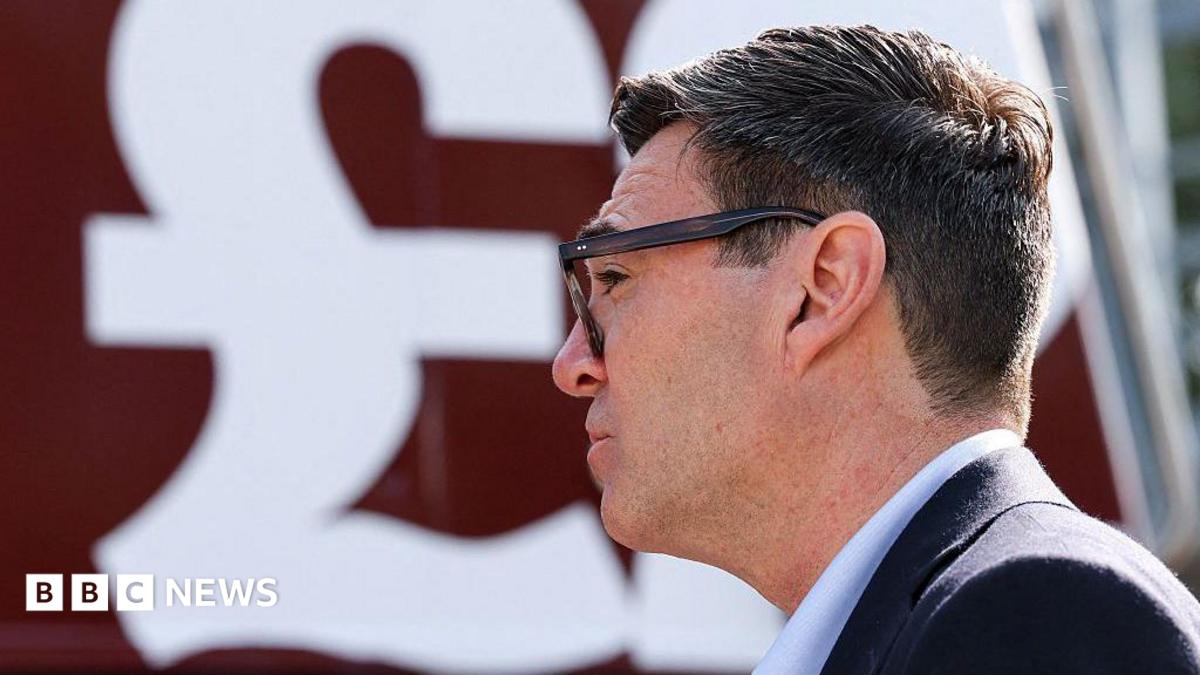
UK faces ‘very difficult trade-offs’ in budget because of Iran war, say analysts
NIESR warns new PM Andy Burnham that the Iran war's oil-price shock will force the UK chancellor to find an extra £24bn by decade-end, with inflation peaking at 3.8% in early 2027.
Intelligence analysis by Llama

The National Institute of Economic and Social Research says the closure of the Strait of Hormuz and oil prices above $100 will slash UK budget headroom, lift inflation, and slow growth, leaving Chancellor Healey with painful fiscal choices.
When a war far away makes oil expensive, the UK's government has less money to spend on things like hospitals and schools. The new prime minister wants to fix a lot of things, but oil prices and inflation are eating his budget before he even starts, so he must choose: cut something, tax more, or borrow more.
Analysis
A War Far Away, a Bill on the Treasury's Desk
The NIESR's quarterly outlook makes plain how a Middle Eastern energy shock lands directly on the UK chancellor's spreadsheet. The Strait of Hormuz has been "all but closed since March," and oil briefly returned above $100 a barrel. Because the UK remains a net energy importer, that price signal feeds almost mechanically into domestic energy bills, producer costs, and the inflation print. NIESR now expects inflation to average 3.1% in 2026 and peak at 3.8% in February 2027 after energy price-cap adjustments, with a return to the Bank of England's 2% target pushed back from 2028 to early 2029. That trajectory does most of the damage: it erodes the real value of departmental budgets and welfare payments, forcing the Treasury to find roughly £24bn (in 2023 prices) just to stand still.
Burnham's Inheritance: Headroom Halved, Debt Near £3tn
Andy Burnham took office last week with a pledge to overhaul adult social care (an £18.5bn plan by 2035) and to support the 1 million young people classified as Neets. NIESR's director David Aikman framed the new government's position as a "challenging inheritance," pointing to inflation-eroded spending, the highest borrowing costs in the G7, and a debt pile of almost £3tn, or about 95% of annual national income. The thinktank has cut its forecast for the chancellor's spending headroom from just over £7bn to nearer £3bn — and the Office for Budget Responsibility had previously estimated only about £22bn of spare capacity above existing commitments. With growth downgraded to 1.1% this year and next, NIESR estimates the UK will lose £28bn of growth over two years compared with its January forecasts, narrowing the tax base exactly when the new PM wants to spend more.
Rate Path and the Politics of Pain
Financial markets expect the Bank of England to hold rates steady at its Thursday meeting before raising them to 4% later in the year — a path that would compound the fiscal squeeze by lifting debt-service costs. NIESR's Stephen Millard warned against the temptation to fund new commitments through extra borrowing, arguing this would weaken the UK's capacity to absorb future shocks. He instead pointed to tax-side reforms: a land value tax replacing council tax and stamp duty, the phasing out of VAT exemptions on energy and children's clothes, and a tougher line on avoidance by wealthy individuals and companies. The underlying message is that the autumn budget will be less about new ambitions than about how to pay for existing ones — and that the Iran war, by keeping oil elevated, has sharply narrowed the menu.
Key points
- NIESR expects UK inflation to peak at 3.8% in February 2027 and not return to the 2% target until early 2029.
- Chancellor Healey would need roughly £24bn (2023 prices) by the end of the decade to maintain services and real-terms welfare.
- Spending headroom has been cut from just over £7bn to nearer £3bn, against an OBR estimate of about £22bn of spare capacity.
- UK growth is forecast at 1.1% this year and next, costing £28bn of output versus January projections.
- Total government debt has reached almost £3tn, about 95% of annual national income, with markets expecting Bank of England rates to rise to 4% later in 2026.
If peace is restored quickly in the Middle East, oil prices could ease and inflation could fall faster than NIESR expects, allowing the Bank of England to pause rate hikes and giving the chancellor more breathing room than the current forecasts assume. Millard noted that the UK economy had proved "surprisingly resilient" in the first half of the year, suggesting underlying momentum could absorb the shock if energy prices reverse.
If the Strait of Hormuz remains closed or oil stays above $100, the 3.8% inflation peak could prove optimistic, forcing rates to 4% or beyond and pushing gilt yields higher just as debt approaches £3tn. Aikman warned that funding new pledges through borrowing would weaken the UK's ability to absorb the next shock, whether a health crisis or another energy spike.
Market signals
- OIL The Strait of Hormuz has been all but closed since March, pushing oil briefly above $100 a barrel and feeding directly into NIESR's UK inflation forecast.
AI-generated analysis of potential market relevance. Not financial advice.