Andrew Bragg says lower-income earners should accept substandard housing as colleagues rebuke his migration target
Senator Andrew Bragg suggested lower-income Australians should accept substandard housing to address the housing crisis. His comments drew criticism from colleagues and advocacy groups.
Intelligence analysis by Gemini 2.5 Flash Lite
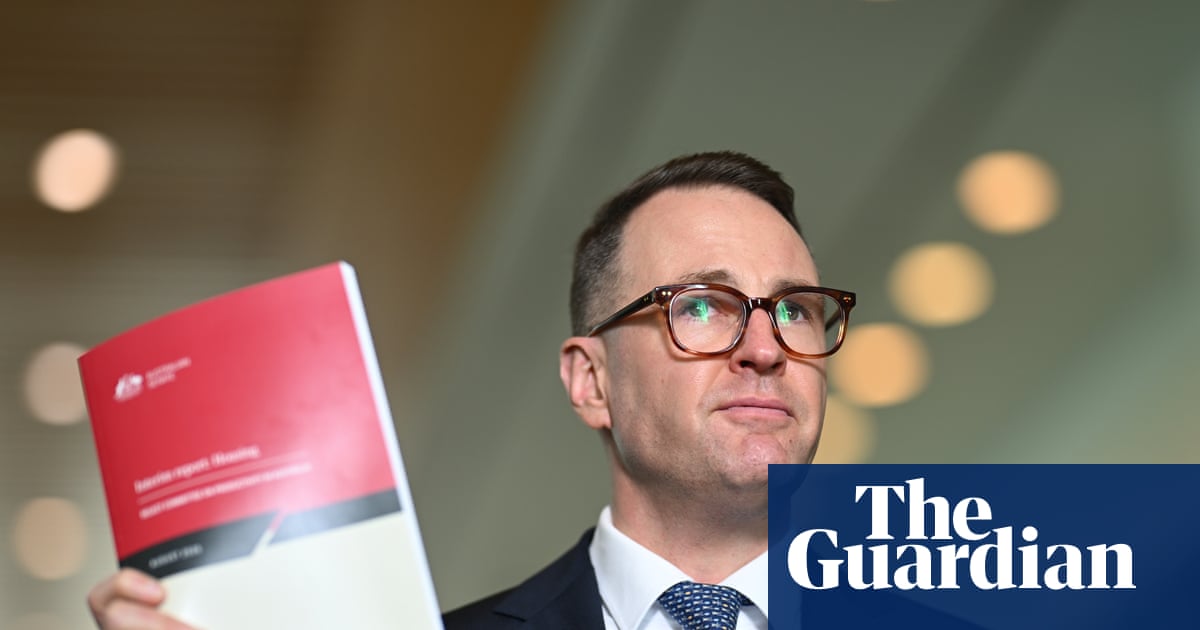
Liberal Senator Andrew Bragg has ignited controversy by stating that lower-income Australians should accept poorly built housing as a trade-off for increased supply amid a severe housing affordability crisis. His proposal to drastically simplify building codes, removing energy efficiency and accessibility standards, has been met with strong rebukes from within his own party and from h…
Imagine building a house. Some people want it to be super cozy and save energy, like having a warm blanket and good insulation. But a senator says that for people who don't have a house yet, it's more important to just get *any* house built quickly, even if it's not as cozy or energy-saving. He thinks it's okay for them to accept a simpler house first, like getting a basic toy before a fancy one.
Analysis
Andrew Bragg's Housing Proposal
Senator Andrew Bragg has put forward a radical proposal to address Australia's housing crisis by significantly reducing the National Construction Code from nearly 2,000 pages to a mere 80. The stated aim is to expedite the construction of more "basic and safe" homes. However, this simplification involves the removal of what Bragg terms "optional extras," specifically mentioning compulsory energy efficiency and accessibility measures. This approach suggests a prioritization of sheer volume of housing units over quality, comfort, and inclusivity, framing these aspects as secondary to the fundamental need for shelter.
Bragg's justification for these proposed cuts is rooted in a pragmatic, albeit controversial, interpretation of Maslow's hierarchy of needs. He argues that in the face of an acute affordability crisis, having any form of housing is more critical than having housing that meets higher standards of comfort or sustainability. His direct affirmation that lower-income earners should "definitely" accept substandard housing underscores this utilitarian perspective. This stance has been echoed by shadow treasurer Tim Wilson, who suggested individuals could adapt to colder conditions by wearing more clothing rather than demanding energy-efficient homes.
Coalition's Internal Fallout
Bragg's outspoken views have not gone unchallenged within his own party. Opposition leader Angus Taylor has publicly cautioned Bragg, emphasizing the need to adhere to the Coalition's official policy positions and to stay "on script." Taylor indicated that the Coalition's migration target would be contingent on housing supply, suggesting a more measured approach than Bragg's specific proposal. The Nationals leader, Matt Canavan, also weighed in, downplaying concerns of internal conflict while specifically ruling out cuts to working holiday visas that support rural and regional jobs, particularly for farmers. This indicates a potential divergence in priorities between different factions of the Coalition regarding migration and its impact on various sectors.
Further complicating the internal response, Andrew Hastie, who previously stepped down from shadow cabinet over immigration policy, noted that Bragg's ideas had not undergone a formal party process. James Paterson, shadow defence minister, acknowledged Bragg's outspoken nature, suggesting his public pronouncements were characteristic of his personality. These reactions highlight a lack of unified strategy and a potential struggle for consensus on key policy issues within the Liberal party, particularly concerning immigration and housing.
Housing Advocacy and Liveability Standards
Housing advocacy groups have strongly condemned Bragg's suggestions, arguing that accessibility, energy efficiency, and basic liveability are not luxuries but essential minimum standards. The Australian Council of Social Services (Acoss) and Everybody's Home have voiced concerns that Bragg's proposals would allow developers to cut corners, thereby increasing their profits while potentially exacerbating existing inequalities. Maiy Azize of Everybody's Home stated that building more poor-quality homes does not solve the housing crisis but rather provides developers with a new avenue for profit extraction.
The core of the criticism lies in the belief that the housing crisis is fundamentally an affordability issue, and that reducing quality standards will not resolve this. Instead, it risks creating a two-tiered housing system where lower-income individuals are relegated to dwellings that are less safe, less comfortable, and more expensive to maintain in the long run due to poor energy efficiency. This debate pits the immediate need for more housing units against the long-term implications for public health, environmental sustainability, and the basic dignity of residents.
Key points
- Senator Andrew Bragg proposed simplifying building codes to increase housing supply, removing energy efficiency and accessibility standards.
- Bragg stated lower-income Australians should accept substandard housing as a trade-off for more homes.
- His comments drew criticism from Liberal colleagues, including Angus Taylor, and housing advocacy groups.
- Advocates argue that quality housing standards are essential and not luxuries, and that cutting corners benefits developers.
- The debate touches on the balance between housing quantity, quality, affordability, and migration targets.
If Bragg's proposals lead to a significant increase in housing supply without compromising basic safety, it could alleviate some pressure on rental markets and housing affordability for lower-income earners. A streamlined building code might also encourage innovation in construction methods, leading to faster and potentially cheaper builds in the future.
The removal of energy efficiency standards could lead to higher long-term living costs for residents through increased utility bills and greater susceptibility to extreme weather. Furthermore, compromising on accessibility could exclude individuals with disabilities from adequate housing options, and a focus on 'basic and safe' without robust oversight could result in widespread substandard construction.