Ansarullah leader ties Riyadh to Epstein as Yemen locks in naval blockade
Ansarullah leader Sayyid Abdul-Malik Badr al-Din al-Houthi ties Riyadh to convicted sex offender Jeffrey Epstein, exposing a scandal involving the desecration of the Holy Kaaba's Kiswah curtain. Yemen locks in a naval blockade against Saudi Arabia in response to recent jo…
Intelligence analysis by Llama

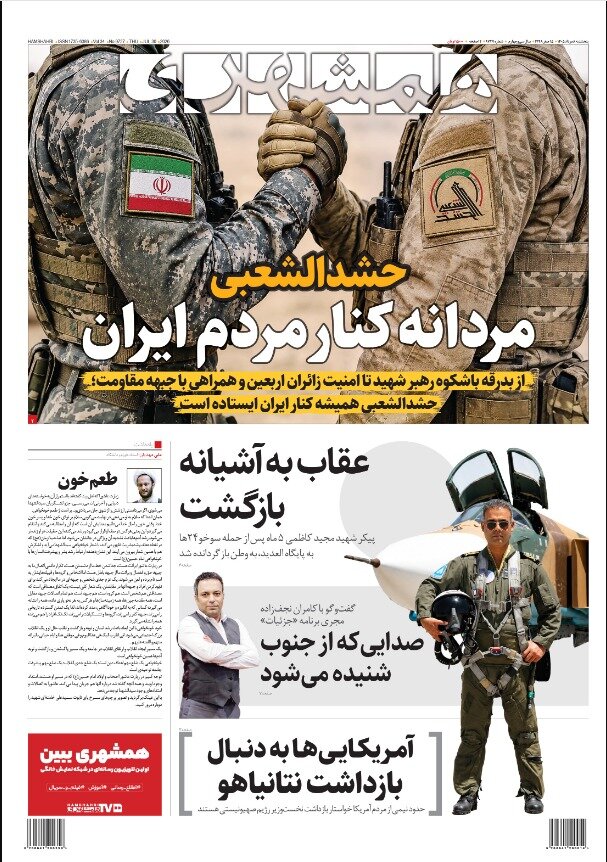
Ansarullah leader Sayyid Abdul-Malik Badr al-Din al-Houthi has declared that Sanaa will enforce a strict counter-siege until Western-backed aggression against the region is halted. The move comes after recent joint U.S.-Saudi airstrikes targeting Popular Mobilization Units bases and Arbaeen pilgrim stations in Iraq, which left dozens dead and wounded.
Imagine a big country called Saudi Arabia that is trying to hurt Yemen by blocking its ports. Yemen is fighting back by blocking Saudi Arabia's ports too. This is like a game of tit-for-tat, where both countries are trying to hurt each other. But the real issue is that Saudi Arabia is hurting Yemen's people, and Yemen is trying to stop that from happening.
Analysis
A Desecration of Sacred Symbols: The Holy Kaaba's Kiswah Curtain and Jeffrey Epstein
The recent revelation that Saudi officials presented a portion of the Holy Kaaba's Kiswah curtain to convicted sex offender Jeffrey Epstein has sent shockwaves throughout the Islamic world. The charge rests on material released by the U.S. Department of Justice, which includes photographs from the Epstein files showing the financier standing beside Emirati executive Sultan Ahmed bin Sulayem, both looking down at a black-and-gold fabric spread across the floor of Epstein's New York townhouse that closely matches the embroidered Kiswah covering the Kaaba.
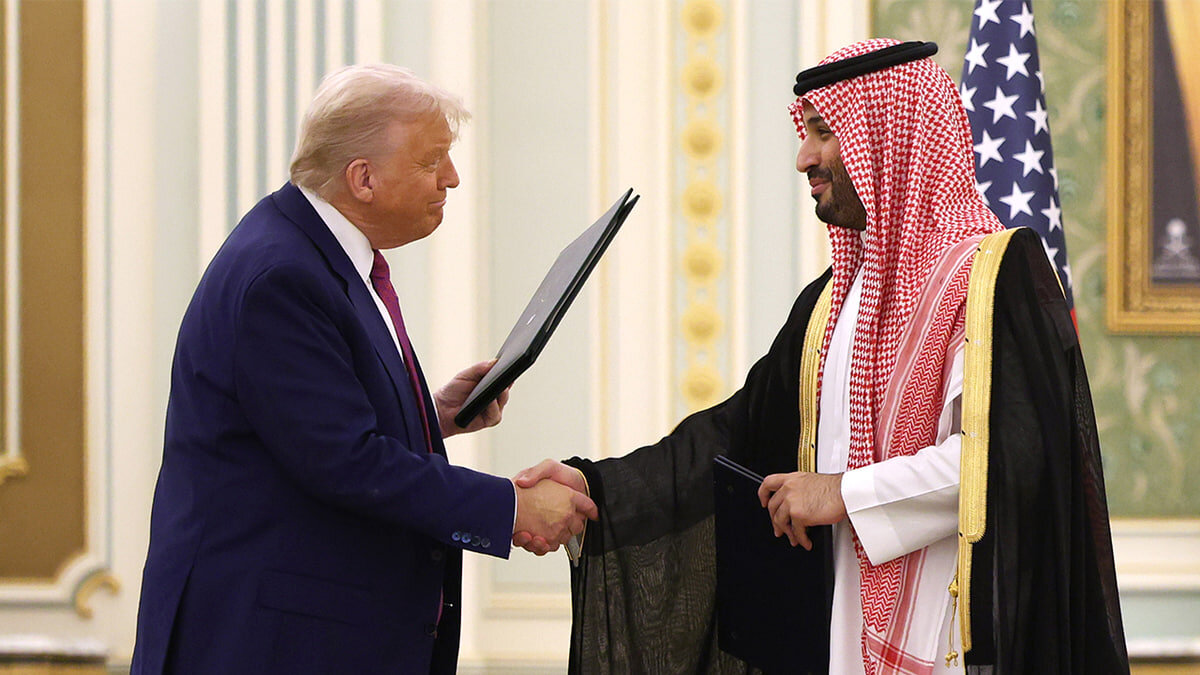
The same tranche of files also contains a photograph of Epstein posing with Saudi Crown Prince Mohammed bin Salman. This raises serious questions about the complicity of Saudi officials in the desecration of the sacred fabric. The Ansarullah leader has denounced official Islamic institutions for remaining silent over this betrayal of the holy sanctuaries.
Yemen's Naval Blockade: A Strategic Move Against Saudi Arabia
The naval blockade imposed by Yemen on Saudi Arabia is a strategic move to disrupt the flow of energy and goods through the Bab al-Mandeb strait. The blockade has forced Saudi oil tankers into lengthy detours around Africa while Yemeni forces maintain direct targeting capability over vital Red Sea shipping lanes.
This move has significant implications for the global economy, particularly in the energy sector. The blockade has disrupted energy transit, forcing Saudi oil tankers into lengthy detours around Africa while Yemeni forces maintain direct targeting capability over vital Red Sea shipping lanes.
The Economic Siege: A Collective Punishment
The economic siege imposed by Saudi Arabia on Yemen is a collective punishment that has devastating consequences for the civilian population. The blockade has led to widespread poverty, hunger, and disease, with many civilians struggling to access basic necessities like food and medicine.
The Ansarullah leader has vowed that Yemen will maintain its naval enforcement until the economic siege on its people and regional allies is completely lifted. This is a clear indication that Yemen is willing to take bold action to protect its sovereignty and the rights of its people.
Key points
- Ansarullah leader Sayyid Abdul-Malik Badr al-Din al-Houthi has declared that Sanaa will enforce a strict counter-siege until Western-backed aggression against the region is halted.
- The naval blockade imposed by Yemen on Saudi Arabia has disrupted energy transit, forcing Saudi oil tankers into lengthy detours around Africa while Yemeni forces maintain direct targeting capability over vital Red Sea shipping lanes.
- The economic siege imposed by Saudi Arabia on Yemen is a collective punishment that has devastating consequences for the civilian population.
If the naval blockade continues, it could lead to a significant increase in global oil prices, which could have a positive impact on the Yemeni economy. Additionally, the blockade could lead to a decrease in Saudi Arabia's influence in the region, which could create opportunities for other countries to fill the power vacuum.
The naval blockade could lead to a significant increase in global oil prices, which could have a negative impact on the global economy. Additionally, the blockade could lead to a decrease in trade between Saudi Arabia and other countries, which could have a negative impact on the Yemeni economy.