Oil prices no longer react to war rhetoric, but to real supply cuts
The recent US–Iran conflict has revealed that war itself does not determine oil prices. Real and lasting disruption in supply, transportation, and energy infrastructure sustainably moves prices. Iran's export network and mechanisms for selling and transferring oil possess…
Intelligence analysis by Llama
The oil market has shown that war rhetoric does not affect oil prices, but real supply cuts do. Iran's export network and mechanisms for selling and transferring oil are flexible and can be a component of the country's economic and geopolitical power.
Imagine you're at a restaurant, and the chef suddenly stops making food. The restaurant's customers will get hungry and leave. But if the chef just says 'I'm not making food anymore,' the customers might still come back. The oil market is like that restaurant. If there's a real problem with getting oil to people, like a war or a big accident, then oil prices will go up. But if someone just says 'I'm not going to make oil anymore,' it might not affect the price as much.
Analysis
A $60B Vote of Confidence
The recent US–Iran conflict has revealed an important reality: war itself does not determine oil prices. What sustainably moves prices is real and lasting disruption in supply, transportation, and energy infrastructure. For Iran, these conditions are simultaneously an opportunity and a warning. The opportunity lies in the fact that the continued export of oil under pressure and maritime insecurity has shown that Iran's export network and mechanisms for selling and transferring oil possess considerable flexibility. This capability can be one of the components of the country's economic and geopolitical power. But the threat is also clear: no export route should ever be assumed risk-free. In such an environment, energy diplomacy must stand alongside deterrent power and operational capability. Oil power is not only about production volume; the ability to deliver barrels to the market during crises is also part of that power.
Why Cursor?
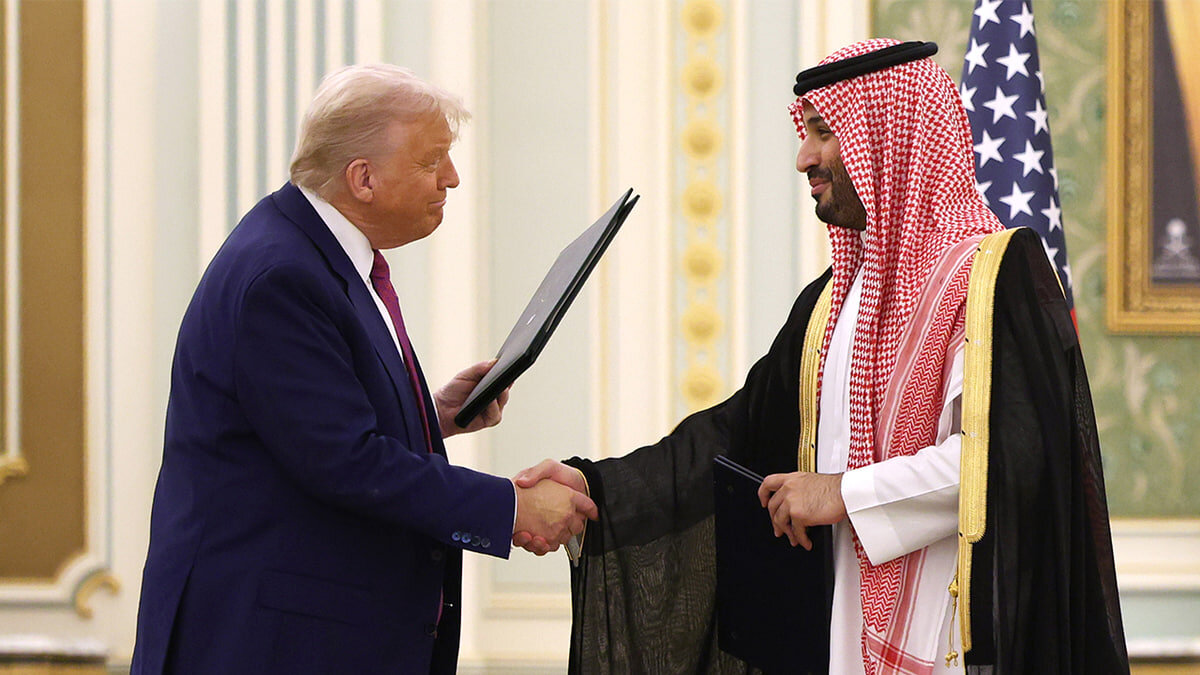
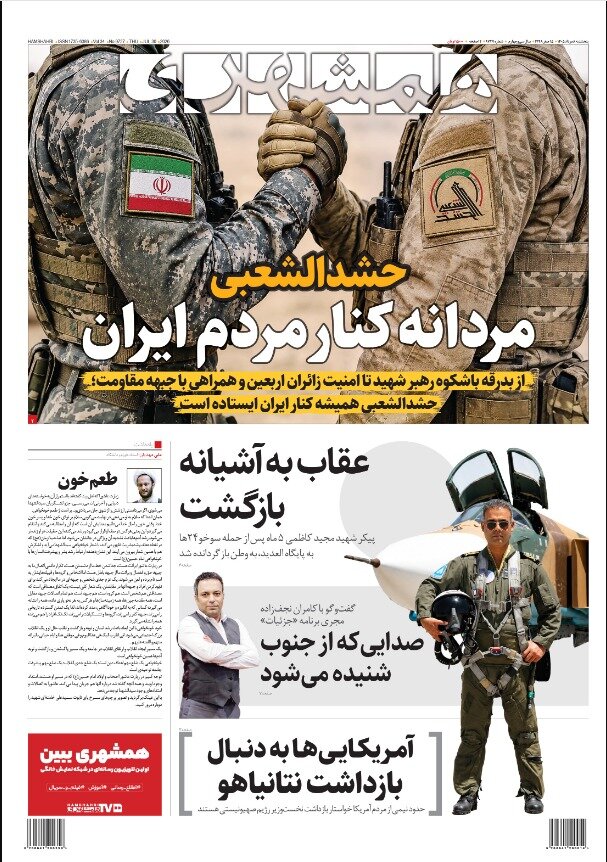
Arman-e-Melli, in a commentary, referred to Netanyahu's trip to the US. It noted that the importance of this meeting can even be demonstrated numerically: it was the first Oval Office meeting between Trump and Netanyahu after the Ramadan war, reflecting the unstable security situation in Israel and the region. That the Iran file was the main focus of the meeting, and expansion of the Abraham Accords was treated as a secondary issue, was not surprising. But the key point is that hours after the meeting, regional and international media reported joint Saudi-US strikes on Iraqi territory. The simultaneity of Netanyahu's meeting with Trump and the Riyadh-Washington attacks suggests that Israel and the US are coordinating to disrupt Iran's external environment, aiming to increase pressure on Tehran. Therefore, it is likely that in the coming days we will see greater activation of the Yemen front in Bab al-Mandab and the Red Sea.
The Road Ahead
Jam-e-Jam examined Ukraine's drone attack on the Iranian commercial vessel Ana in the Caspian Sea and Europe's fear of an Iranian response. After the attack, a wave of diplomatic contacts from Kyiv and Brussels to Tehran began—contacts that, according to political observers, reflect Ukraine and the EU's concern about the political and security consequences of the incident more than any diplomatic initiative. The EU, while being Ukraine's largest political and military supporter, is simultaneously worried about the expansion of the war into the Persian Gulf and threats to energy routes. From this perspective, Kallas's call to Tehran can be seen as an attempt to prevent the Caspian crisis from spilling over into the sensitive dynamics of the Strait of Hormuz and the global energy market. Brussels knows well that any escalation between Iran and Ukraine could extend the confrontation beyond Eastern Europe—a scenario that would pressure Europe's economy and energy security even more than the United States.
Key points
- War rhetoric does not affect oil prices, but real supply cuts do.
- Iran's export network and mechanisms for selling and transferring oil possess considerable flexibility.
- Energy diplomacy must stand alongside deterrent power and operational capability in such an environment.
- Oil power is not only about production volume; the ability to deliver barrels to the market during crises is also part of that power.
If Iran's export network and mechanisms for selling and transferring oil continue to show flexibility, it could be a component of the country's economic and geopolitical power. This could lead to increased economic stability and a stronger position in regional equations.
If Iran's export routes are disrupted or threatened, it could lead to economic instability and a weaker position in regional equations. This could also lead to increased pressure on Tehran from external actors.