Anthropic confirms Claude Mythos-class models will roll out to the public
Anthropic says its restricted Mythos-class models will reach all customers in coming weeks after security safeguards improved.
Intelligence analysis by GPT-5.4 Mini
Anthropic is preparing to expand access to its Mythos-class Claude models after initially limiting them over security concerns. The company says the new safeguards are progressing quickly, and a small number of organizations are already testing a preview for cybersecurity work.
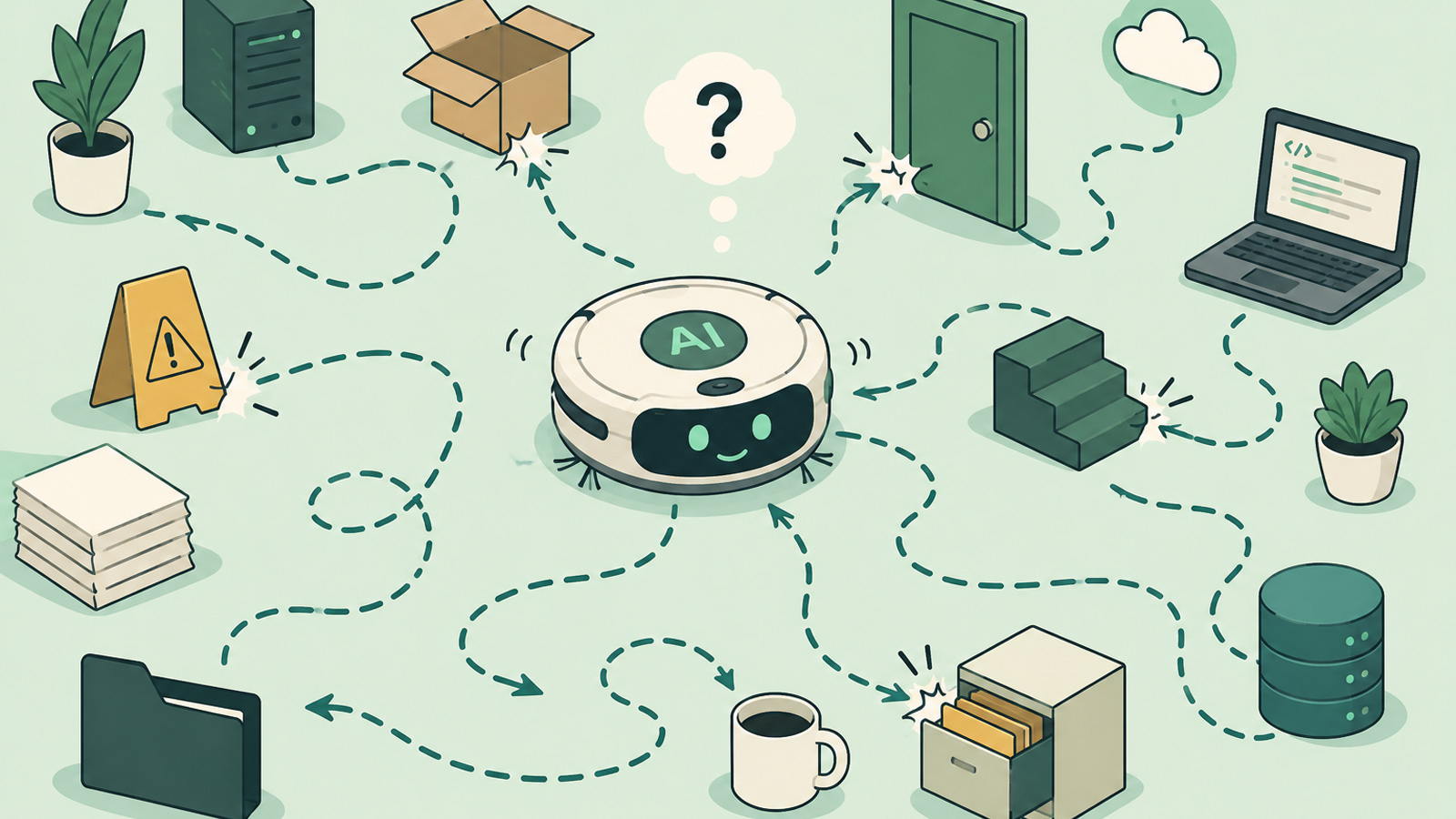
Anthropic has a very smart robot helper called Mythos. At first, it kept that helper on a short leash because it might be misused.
Now Anthropic says it has built better guardrails, like stronger safety rails on a bridge, so more people may get to use it soon.
That matters because the same helper could be used to find computer bugs and fix them, but it could also help the wrong people if it is not carefully controlled.
Analysis
What Anthropic changed
Anthropic says it plans to bring Mythos-class models to the general public in the coming weeks, but it did not commit to a firm release date. That is a shift from April, when the company introduced Mythos as a restricted model and limited access to select companies, including security researchers, because of what it described as major security risks.
The article says Anthropic now believes it has made enough progress on safeguards to widen access. In the company’s framing, the key issue is not just raw model power, but whether the release controls are strong enough to reduce misuse. The story notes that Anthropic sees Mythos as significantly stronger than Opus 4.8, especially in code reasoning and autonomy.
Security angle
Anthropic previously warned that the side able to use these tools best could gain an advantage, and it explicitly raised the possibility that attackers could benefit if labs are careless. The company also said defenders may ultimately gain more from these models by finding and fixing bugs before code ships. That tension is the core security takeaway: the same model that can help test software and support cybersecurity work can also be useful for abuse.
The article adds that Anthropic is already letting a small number of organizations use a Claude Mythos preview for cybersecurity work, though it is unclear whether that preview is the same model that will reach everyone. It also says a "Mythos-preview" model briefly appeared for some users in Claude Code before being removed. Taken together, the piece suggests Anthropic is still testing the boundaries of public access while trying to keep the rollout aligned with its safety controls.
Key points
- Anthropic says Mythos-class models should reach all customers in the coming weeks.
- The company originally kept Mythos restricted because of security risks.
- Anthropic says it has improved safeguards to reduce misuse.
- A small number of organizations are already using a Mythos preview for cybersecurity work.
- The company says Mythos has major gains in code reasoning and autonomy.