Are Digital Cameras Still Worth Buying In 2026?
Digital cameras are still worth buying in 2026, especially for those willing to put in the work required for better photos. They offer more control, more depth, and more intention compared to smartphone cameras.
Intelligence analysis by Llama
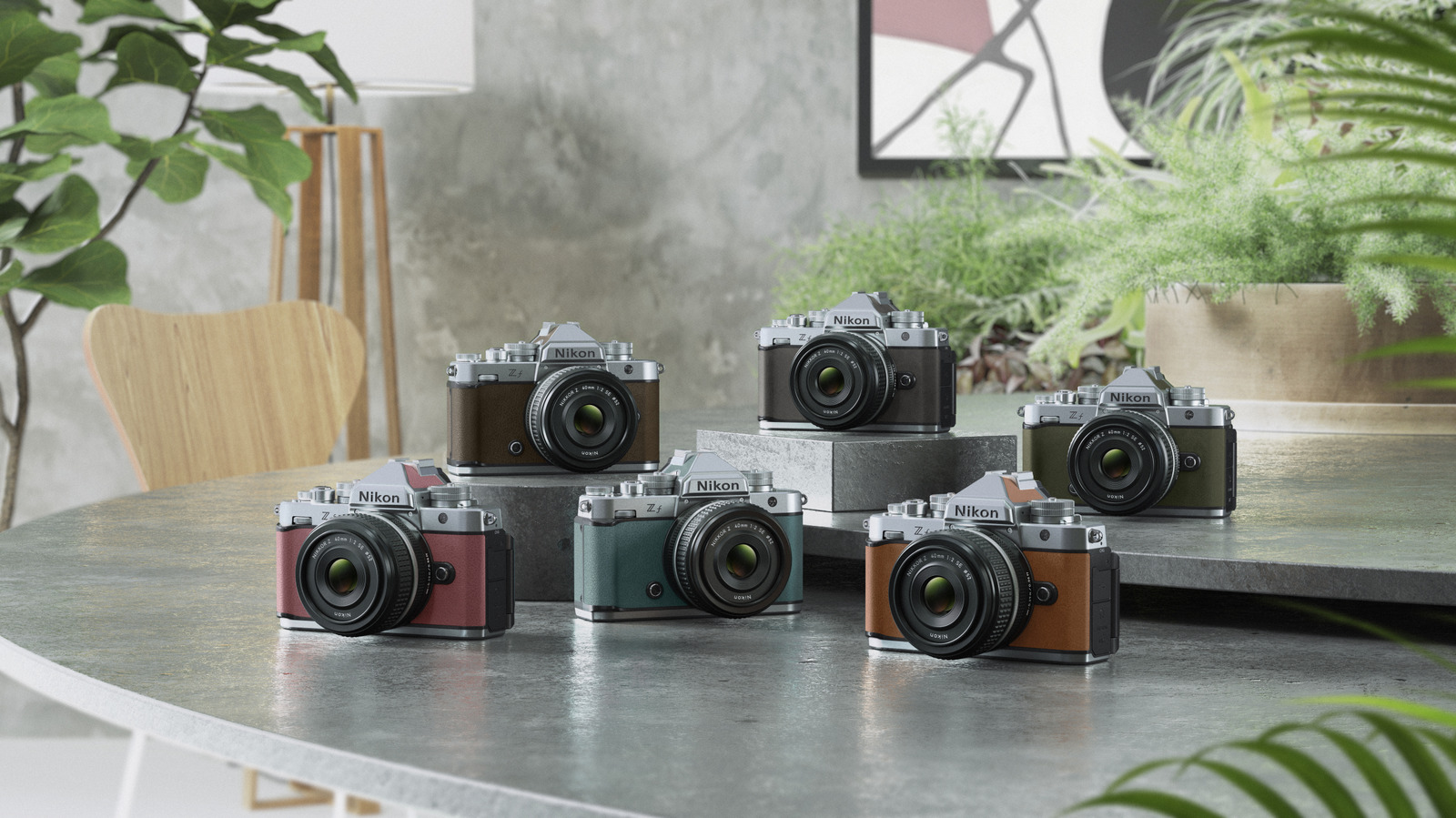
While smartphone cameras have improved significantly, digital cameras still offer better photos and more control for those willing to invest time and effort. With a wide range of options available, from compact point-and-shoot cameras to high-end mirrorless cameras, there's a digital camera to suit every budget and need.
Imagine you're on a hike and you want to take a picture of a beautiful mountain. A smartphone camera can take a good picture, but a digital camera can take an even better picture because it has a bigger sensor and more control over the settings. This means you can make the picture look exactly how you want it to, with more detail and more depth.
Analysis
The Case for Digital Cameras in 2026
While smartphone cameras have made significant strides in recent years, digital cameras still offer a unique set of benefits for photography enthusiasts. One of the primary advantages of digital cameras is their ability to capture high-resolution photos with more detail, thanks to their larger sensors. This allows for a tighter crop and more flexibility when editing photos.
In addition to their technical capabilities, digital cameras also offer more control and creative freedom for photographers. With a digital camera, you can adjust settings such as aperture, shutter speed, and ISO to achieve a specific look or effect. This level of control is not typically available on smartphone cameras, which often rely on automated settings to produce decent results.
Another benefit of digital cameras is their ability to handle specific scenarios, such as low-light or ultra-bright scenes. While smartphone cameras can struggle in these conditions, digital cameras can deliver high-quality photos even in challenging lighting conditions.
The Price of Entry
One of the primary downsides to digital cameras is their price. At the top end, photographers can spend upwards of $5,000 on a high-end mirrorless camera, and even more on lenses. This can be a significant barrier to entry for those who are new to photography or who are on a budget.
However, there are also many budget-friendly options available, such as the Canon EOS R100, which can be had for around $500. These cameras may not offer all the features and capabilities of their more expensive counterparts, but they can still deliver high-quality photos and provide a great introduction to the world of digital photography.
The Verdict
In conclusion, digital cameras are still worth buying in 2026, especially for those who are willing to invest time and effort into learning how to use them. While smartphone cameras have improved significantly, digital cameras offer a unique set of benefits that make them a great choice for photography enthusiasts. Whether you're looking for better control, more creative freedom, or the ability to handle specific scenarios, a digital camera is a great option to consider.
Key points
- Digital cameras offer better photos and more control compared to smartphone cameras.
- They have larger sensors, which allow for more detail and a tighter crop.
- Digital cameras offer more creative freedom and the ability to handle specific scenarios, such as low-light or ultra-bright scenes.
- The price of entry for digital cameras can be a barrier for many people.
- There are budget-friendly options available, such as the Canon EOS R100.
If more people invest in digital cameras, we can expect to see a resurgence in photography as a hobby and a creative outlet. This could lead to more people exploring their artistic side and producing high-quality content that showcases their unique perspective.
However, the high price of entry for digital cameras could be a barrier for many people, limiting the number of people who can participate in photography as a hobby. This could lead to a lack of diversity in photography and a homogenization of styles.