As China tightens its tax rules, can Hong Kong remain a magnet for billionaires?
Hong Kong has been a magnet for the rich due to its promise of free capital flows, a trustworthy legal system, and extensive financial expertise. However, China's new tax rules may disrupt or divert capital flows into the city's wealth management industry.
Intelligence analysis by Llama
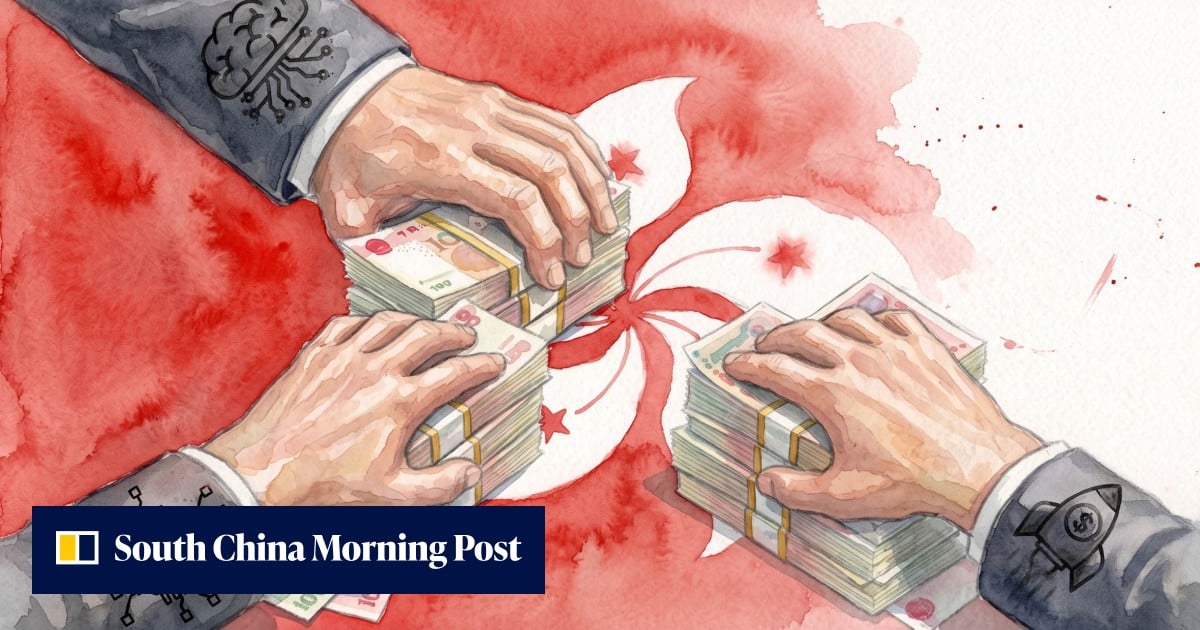
Hong Kong's wealth management industry may face disruption due to China's new tax rules, which could close a loophole allowing wealthy Chinese families to shield income from taxation.
Hong Kong has been a popular place for rich people to manage their money because it's safe and has good financial experts. But China is changing its tax rules, which might make it harder for rich people to move their money to Hong Kong. This could affect the city's wealth management industry.
Analysis
China's Tax Rules: A Threat to Hong Kong's Wealth Hub Status?
For decades, Hong Kong has been a magnet for the rich, with its promise of free capital flows, a trustworthy legal system, and extensive financial expertise. The city has prospered by managing the wealth of Asia's elite, with wealthy Chinese setting up family trusts and millionaires migrating from across Southeast Asia. However, some worry that this model could now come under threat due to China's new tax rules.
Beijing has launched a slew of measures to tighten controls over cross-border financial flows, seeking to prevent tax avoidance and capital flight. Major brokerages have been punished for helping mainland investors illicitly buy overseas stocks, while banks have tightened checks for mainland customers applying to set up Hong Kong accounts. Perhaps the most significant news came in late July, when Beijing announced that offshore trusts would now be subject to China's personal income tax – closing a loophole that had allowed wealthy Chinese families to shield massive amounts of income from taxation.
In Hong Kong, some fear the new rules could disrupt – or even divert – capital flows into the city's vast wealth management industry. However, analysts said the city could benefit over the long term. The new rules may encourage wealthy individuals to set up trusts in Hong Kong, which could lead to increased business for the city's wealth management industry.
The Impact on Hong Kong's Wealth Management Industry
The new tax rules in China may have a significant impact on Hong Kong's wealth management industry. The city's wealth management industry is heavily reliant on cross-border financial flows, and the new rules may disrupt or divert these flows. However, the industry may also benefit from the new rules, as wealthy individuals may be encouraged to set up trusts in Hong Kong.
Conclusion
The new tax rules in China may have a significant impact on Hong Kong's status as a magnet for billionaires and its wealth management industry. While the industry may face disruption or diversion of capital flows, it may also benefit from the new rules. Only time will tell how the new rules will affect the city's wealth management industry.
Key points
- China has introduced new tax rules to prevent tax avoidance and capital flight.
- The new rules may disrupt or divert capital flows into Hong Kong's wealth management industry.
- Wealthy individuals may be encouraged to set up trusts in Hong Kong, leading to increased business for the city's wealth management industry.
- The new tax rules in China may have a significant impact on Hong Kong's status as a magnet for billionaires and its wealth management industry.
The new tax rules in China may encourage wealthy individuals to set up trusts in Hong Kong, leading to increased business for the city's wealth management industry.
The new tax rules in China may disrupt or divert capital flows into Hong Kong's wealth management industry, leading to a decline in business.