China is using AI facial ID to track migrating fish in Tibet's largest river
China uses AI facial ID to track fish in Tibet's largest river. The system monitors species passing through a dam fishway.
Intelligence analysis by Llama 3.3 70B
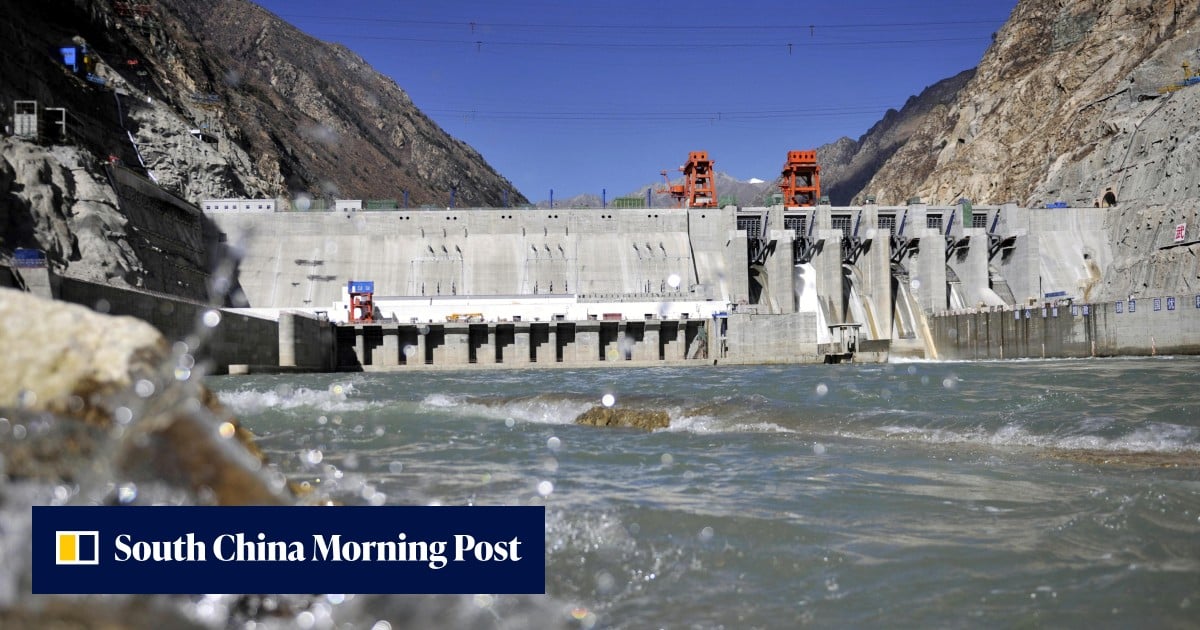
A round-the-clock tracking system identifies and monitors fish species in the Yarlung Tsangpo River using AI facial recognition.
Imagine a big river in Tibet where fish swim upstream. To help these fish, a special system uses artificial intelligence to recognize and count them as they pass through a special fishway. This helps keep the fish safe and healthy.
Analysis
Yarlung Tsangpo River
The Yarlung Tsangpo River, located in Tibet, is the largest river in the region. The construction of the Zangmu Hydropower Station in 2015 raised concerns about the potential impact on the river's ecosystem. However, the introduction of the AI-driven fish identification system has helped mitigate these concerns. The system uses facial recognition technology to identify and monitor fish species passing through the dam fishway.
Fish Population
The monitoring results have shown that the fish population in the middle reaches of the Yarlung Tsangpo River has remained stable and has not decreased due to the construction of the hydropower station. In fact, the aquatic ecology and animal-plant life in the entire middle gorge section of the river have shown positive changes. This is a significant finding, as it suggests that the hydropower station has not had a detrimental impact on the river's ecosystem.
Hydropower Facilities
Hydropower facilities, such as the Zangmu Hydropower Station, offer several benefits, including flood protection and a reliable renewable energy source. However, they also pose significant environmental challenges due to the restructuring of natural water bodies. The use of AI technology to monitor and conserve fish populations is an important step in mitigating these challenges and ensuring the long-term sustainability of the river's ecosystem.
Key points
- China is using AI facial ID to track migrating fish in Tibet's largest river
- The system monitors species passing through a dam fishway
- The fish population in the middle reaches of the river has remained stable
The use of AI technology to monitor and conserve fish populations in the Yarlung Tsangpo River could have a positive impact on the environment and help preserve the region's biodiversity. As the technology continues to evolve, it could be applied to other rivers and ecosystems, leading to a greater understanding and conservation of aquatic life.
The reliance on AI technology to monitor fish populations could lead to a lack of human oversight and potentially inaccurate data. Additionally, the construction of hydropower facilities could still have unintended environmental consequences, despite the use of AI technology to mitigate these effects.