South-to-North Water Transfer East-Middle Line Phase One Project Exceeds 900 Billion Cubic Meters of Water
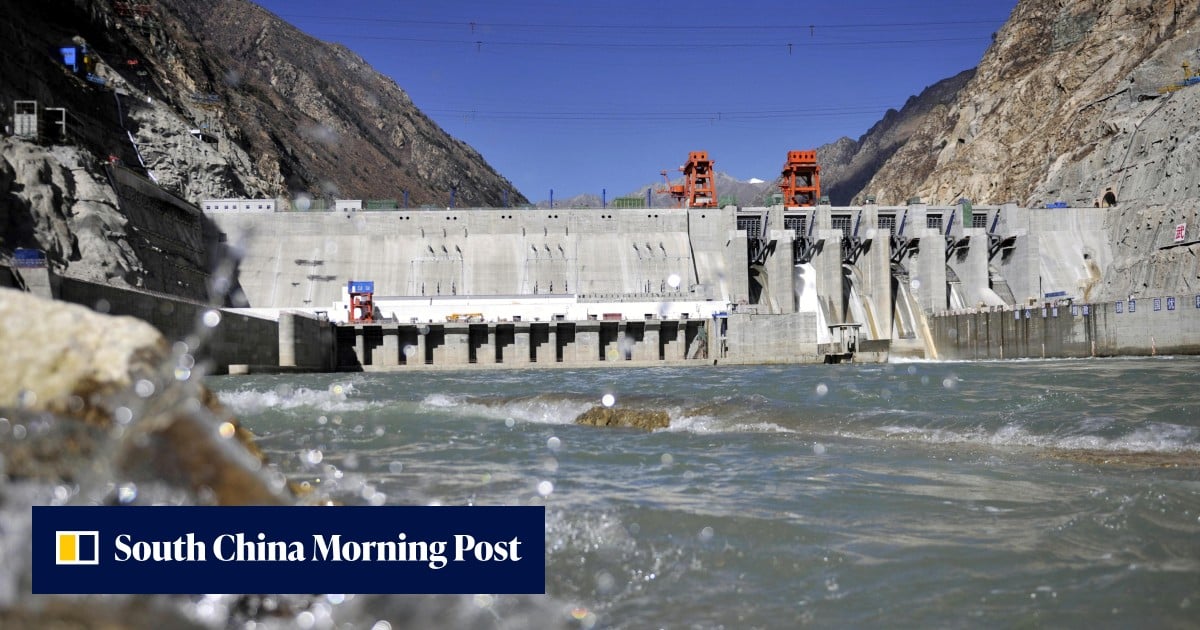
The South-to-North Water Transfer East-Middle Line Phase One Project has exceeded 900 billion cubic meters of water, with the Middle Line Phase One Project exceeding 800.5 billion cubic meters and the East Line Phase One Project exceeding 99.5 billion cubic meters.
Intelligence analysis by Llama

The South-to-North Water Transfer East-Middle Line Phase One Project has exceeded 900 billion cubic meters of water, with significant progress made in the Middle and East lines. This achievement is a major milestone in China's efforts to address water scarcity and ensure a stable water supply.
Imagine a big water pipe that carries water from the south to the north of China. This pipe is called the South-to-North Water Transfer Project. It's like a big water highway that helps to bring water to people who need it. The project is very important because it helps to ensure that people have enough water to drink, grow crops, and use for other important things.
Analysis
Water Transfer Project: A Critical Infrastructure Development
The South-to-North Water Transfer East-Middle Line Phase One Project is a critical infrastructure development that aims to address China's water scarcity issues. The project involves the transfer of water from the Yangtze River in the south to the Yellow River in the north, with the goal of ensuring a stable water supply for the country's growing population and economy.
Progress Made in the Middle and East Lines
The project has made significant progress in the Middle and East lines, with the Middle Line Phase One Project exceeding 800.5 billion cubic meters of water and the East Line Phase One Project exceeding 99.5 billion cubic meters. These achievements are a testament to the project's success and demonstrate the country's commitment to addressing water scarcity.
Implications for Water Security and Economic Development
The South-to-North Water Transfer Project has significant implications for China's water security and economic development. By ensuring a stable water supply, the project will support the country's growing population and economy, while also reducing the risk of water scarcity and associated social and economic impacts. The project's success will also have a positive impact on the country's environment, as it will help to reduce the pressure on the Yangtze River and other water sources.
Conclusion
In conclusion, the South-to-North Water Transfer East-Middle Line Phase One Project is a critical infrastructure development that has made significant progress in addressing China's water scarcity issues. The project's success will have far-reaching implications for the country's water security and economic development, and it is a testament to the country's commitment to addressing this critical issue.
Key points
- The South-to-North Water Transfer East-Middle Line Phase One Project has exceeded 900 billion cubic meters of water.
- The Middle Line Phase One Project has exceeded 800.5 billion cubic meters of water.
- The East Line Phase One Project has exceeded 99.5 billion cubic meters of water.
- The project has significant implications for China's water security and economic development.
- The project's success will help to reduce the pressure on the Yangtze River and other water sources.
If the South-to-North Water Transfer Project continues to make progress, it could lead to a more stable water supply for China's growing population and economy. This could have a positive impact on the country's environment, as it would help to reduce the pressure on the Yangtze River and other water sources.
However, there are also risks associated with the project, such as the potential for water pollution and the impact of climate change on water availability. If these risks are not managed effectively, they could have negative consequences for the project's success and the country's water security.