As Pakistan's army chief turns on hardline Islamist groups, blasphemy cases plummet
Pakistan's army chief, Field Marshal Asim Munir, has initiated a crackdown on hardline Islamist groups, leading to a significant two-thirds drop in registered blasphemy cases this year.
Intelligence analysis by Gemini 2.5 Flash
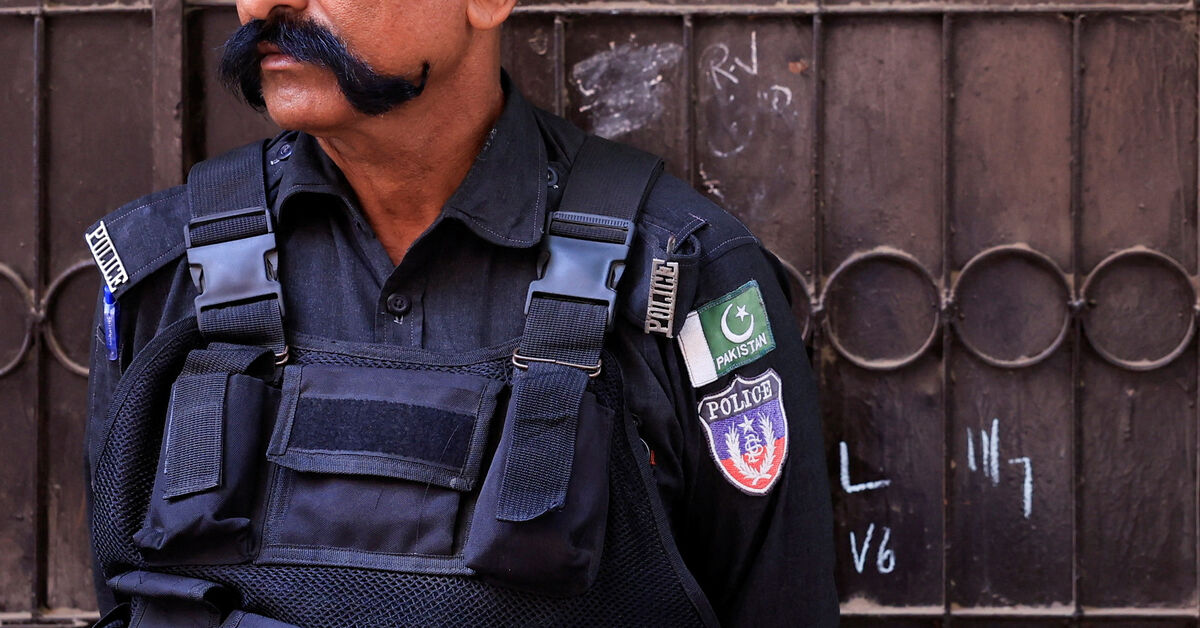
The Pakistani military, traditionally supportive of Islamist groups, has reversed course under Army Chief Munir, who is personally overseeing a zero-tolerance policy. This shift is driven by a desire to improve international ties, integrate Pakistan's economy with the West, and address internal insurgencies, resulting in a dramatic reduction in blasphemy-related incidents.
Imagine Pakistan used to have some really strict groups that caused trouble, especially when someone was accused of saying bad things about religion. But now, the main army boss, who is very powerful, has decided to stop these groups. Because of this, fewer people are getting into trouble for those accusations, and things are becoming a bit calmer. It's like a strict teacher who used to let some bullies get away with things, but now is making sure everyone follows the rules.
Analysis
A Strategic Pivot Under Munir
Pakistan's powerful military, long accused of using hardline Islamist groups to exert influence domestically and internationally, is undergoing a significant strategic reorientation under Army Chief Field Marshal Asim Munir. This shift is not merely a tactical adjustment but a fundamental change in approach, driven by a confluence of economic imperatives and geopolitical considerations. Munir, despite his own conservative Muslim background, is reportedly personally committed to dismantling the influence of these groups, viewing them as incompatible with a 'progressing Pakistan.' The crackdown has already yielded tangible results, with registered blasphemy cases plummeting by two-thirds and a sharp reduction in blasphemy-related riots and attacks, according to human rights organizations and conflict monitoring data.
Economic and Diplomatic Drivers
The primary catalysts for this crackdown appear to be Pakistan's urgent need to bolster its struggling economy and enhance its international standing. Government sources indicate growing concerns that the fundamentalists' hostility towards European nations, particularly France, was jeopardizing Pakistan's crucial EU duty waiver, which accounts for nearly one-third of its exports. Losing this waiver would have catastrophic economic consequences. Furthermore, Munir is actively cultivating stronger ties with the U.S., China, and Saudi Arabia, seeking foreign investment, and even mediating in the U.S.-Iran conflict. The Trump administration's focus on religious freedom, specifically the alleged persecution of Christians in Pakistan, also adds pressure, as the U.S. Commission on International Religious Freedom has recommended re-designating Pakistan as a 'Country of Particular Concern.' This crackdown is a clear signal to international partners that Pakistan is serious about reform and stability.
Challenges and Future Prospects
While the initial results of the crackdown are promising, its long-term sustainability faces significant challenges. The article highlights that Munir also confronts crippling insurgencies in mineral-rich regions like Balochistan and Khyber Pakhtunkhwa. Although these militias are not directly linked to the banned Islamist groups, they draw from the same pool of radicalized youth, suggesting that the underlying ideological currents remain potent. The question, as posed by analyst Elizabeth Threlkeld, is whether Pakistan can maintain this focus and commitment. The military's historical reliance on these groups for various strategic objectives means that a complete and lasting break will require sustained political will and comprehensive societal reforms to address the root causes of radicalization, rather than just suppressing its manifestations.
Key points
- Pakistan's army chief, Field Marshal Asim Munir, is leading a crackdown on hardline Islamist groups.
- Registered blasphemy cases have dropped by roughly two-thirds this year, and blasphemy-linked riots have significantly decreased.
- The crackdown is driven by Pakistan's desire to improve economic ties with the West and enhance its international image.
- Concerns over losing an EU duty waiver for Pakistani products and improving relations with the U.S. are key motivators.
- The largest fundamentalist group, Tehreek-e-Labbaik Pakistan (TLP), was banned, and its leaders jailed.
If the crackdown continues, Pakistan could see improved economic stability through stronger trade ties with the EU and increased foreign investment. Enhanced international relations, particularly with the U.S. and Saudi Arabia, could also bolster Pakistan's diplomatic influence and regional security.
The long-term success of this crackdown is uncertain, as underlying radicalization and insurgencies persist, potentially leading to a resurgence of hardline groups if the military's focus wavers. A failure to sustain these efforts could jeopardize economic gains and international trust, risking a return to previous levels of instability.