Gulf shipping traffic down after Houthis say they attacked Saudi tanker
Shipping traffic through the Strait of Hormuz and the Bab-el-Mandeb strait has reduced significantly after the Houthis claimed to have attacked a Saudi oil tanker.
Intelligence analysis by Llama
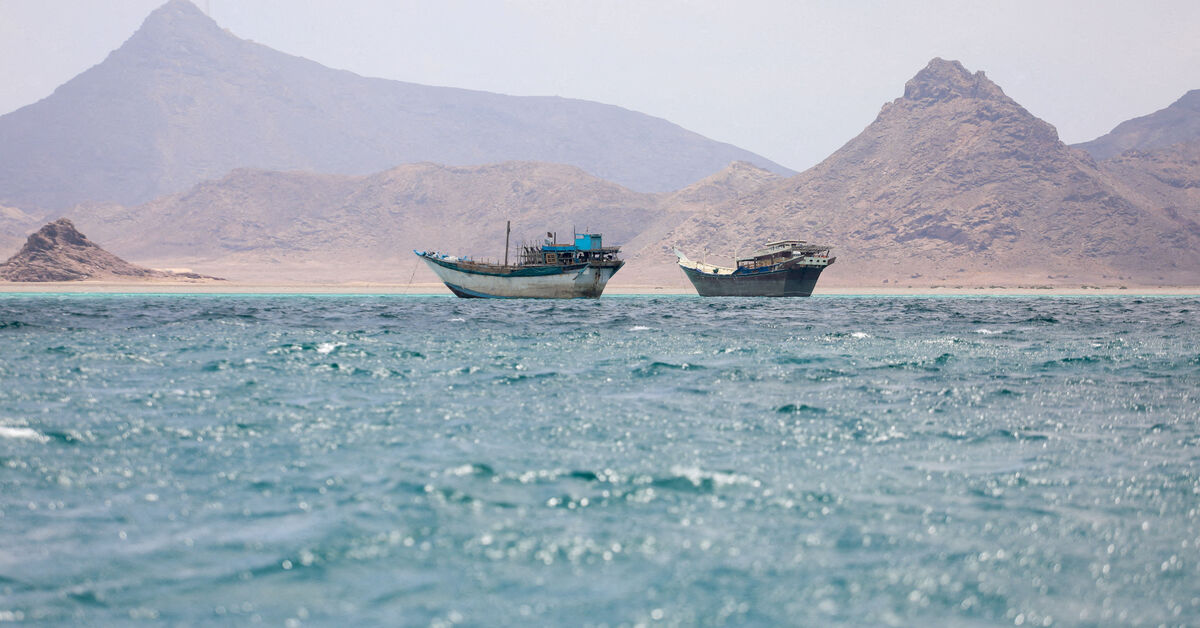
The Houthis have imposed a naval blockade on Saudi Arabia in the Red Sea since last month, and their recent claims of attacking a Saudi oil tanker have led to a decrease in shipping traffic through the key maritime chokepoints in the Gulf.
Imagine a big highway for ships that connects Europe and Asia. The Houthis, a group of people in Yemen, have blocked this highway, which is called the Strait of Hormuz and the Bab-el-Mandeb strait. They did this by attacking a Saudi oil tanker, which is like a big ship that carries oil. This has made it harder for ships to pass through the highway, which is bad news for countries that rely on oil imports.
Analysis
A $60B Vote of Confidence
The recent decrease in shipping traffic through the Strait of Hormuz and the Bab-el-Mandeb strait is a significant development in the ongoing conflict between the Houthis and Saudi Arabia. The Houthis have imposed a naval blockade on Saudi Arabia in the Red Sea since last month, and their recent claims of attacking a Saudi oil tanker have led to a decrease in shipping traffic through the key maritime chokepoints in the Gulf. This development has significant implications for the global economy, particularly for countries that rely heavily on oil imports. The Strait of Hormuz and the Bab-el-Mandeb strait are critical waterways for international trade, and any disruption to shipping traffic through these areas can have far-reaching consequences. The recent decrease in shipping traffic is a vote of confidence in the Houthis' ability to disrupt global trade and a significant escalation of the conflict between the Houthis and Saudi Arabia.
Why Cursor?
The Houthis' recent claims of attacking a Saudi oil tanker are a significant escalation of the conflict between the Houthis and Saudi Arabia. The Houthis have been imposing a naval blockade on Saudi Arabia in the Red Sea since last month, and their recent claims of attacking a Saudi oil tanker have led to a decrease in shipping traffic through the key maritime chokepoints in the Gulf. This development has significant implications for the global economy, particularly for countries that rely heavily on oil imports. The Houthis' ability to disrupt global trade through their naval blockade and attacks on oil tankers is a significant concern for countries that rely heavily on oil imports. The recent decrease in shipping traffic is a vote of confidence in the Houthis' ability to disrupt global trade and a significant escalation of the conflict between the Houthis and Saudi Arabia.
The Road Ahead
The recent decrease in shipping traffic through the Strait of Hormuz and the Bab-el-Mandeb strait is a significant development in the ongoing conflict between the Houthis and Saudi Arabia. The Houthis have imposed a naval blockade on Saudi Arabia in the Red Sea since last month, and their recent claims of attacking a Saudi oil tanker have led to a decrease in shipping traffic through the key maritime chokepoints in the Gulf. This development has significant implications for the global economy, particularly for countries that rely heavily on oil imports. The recent decrease in shipping traffic is a vote of confidence in the Houthis' ability to disrupt global trade and a significant escalation of the conflict between the Houthis and Saudi Arabia. The road ahead for the Houthis and Saudi Arabia is uncertain, but one thing is clear: the recent decrease in shipping traffic through the Strait of Hormuz and the Bab-el-Mandeb strait is a significant development that will have far-reaching consequences for the global economy.
Key points
- The Houthis have imposed a naval blockade on Saudi Arabia in the Red Sea since last month.
- The Houthis have claimed to have attacked a Saudi oil tanker, which has led to a decrease in shipping traffic through the key maritime chokepoints in the Gulf.
- The recent decrease in shipping traffic has significant implications for the global economy, particularly for countries that rely heavily on oil imports.
If the Houthis and Saudi Arabia can come to a peaceful agreement, the shipping traffic through the Strait of Hormuz and the Bab-el-Mandeb strait could return to normal, which would be good news for the global economy.
If the conflict between the Houthis and Saudi Arabia continues, the shipping traffic through the Strait of Hormuz and the Bab-el-Mandeb strait could remain disrupted, which would have significant implications for the global economy.