Two Israeli Soldiers and One Lebanese Citizen Killed Amid Rome Negotiations
Two Israeli soldiers were killed and four wounded in clashes in southern Lebanon, marking the first Israeli casualties since a June ceasefire with Hezbollah. This escalation occurred as Lebanese and Israeli negotiators met in Rome for the seventh round of talks on impleme…
Intelligence analysis by Gemini 2.5 Flash
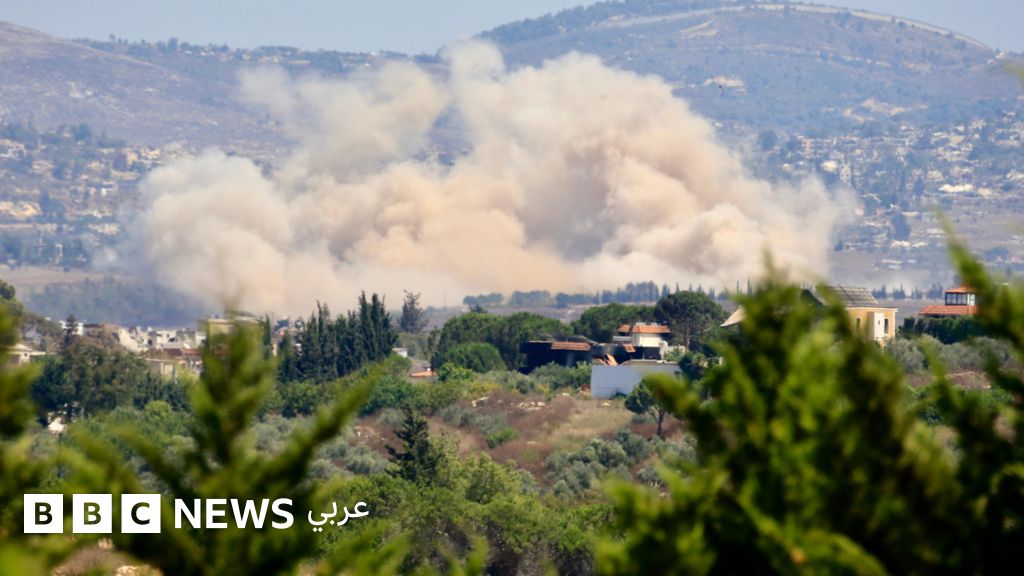
The fragile ceasefire between Israel and Hezbollah in southern Lebanon has been severely tested by an incident where an explosive device killed two Israeli soldiers, prompting retaliatory strikes and an evacuation warning. This violence disrupted ongoing US-mediated talks in Rome aimed at solidifying the June agreement for Israeli withdrawal and Hezbollah disarmament, highlighting the…
Imagine two neighbors, Israel and Hezbollah, who agreed to stop fighting and talk things out. But then, someone got hurt on Israel's side from a hidden trap, and Israel got angry and hit back. This happened right when they were supposed to be talking about how to keep the peace, so their talks stopped. It's like trying to make up with a friend, but then someone throws a snowball, and everyone gets mad again instead of talking.
Analysis
Escalation Amidst Fragile Diplomacy
The recent deaths of two Israeli soldiers and injuries to four others in southern Lebanon mark a critical breach of the ceasefire established last June between Israel and Hezbollah. This incident, reportedly caused by an explosive device, is the first instance of Israeli fatalities since the truce, immediately triggering Israeli retaliatory strikes and an evacuation warning for a Lebanese village. The timing is particularly precarious, as it coincided with the seventh round of US-mediated negotiations in Rome, aimed at implementing the very ceasefire agreement now under strain. The talks, intended to facilitate Israel's withdrawal from southern Lebanon and Hezbollah's disarmament, were prematurely halted, reflecting the direct impact of ground-level violence on diplomatic progress.
Unclear Origins and Retaliatory Cycles
A key ambiguity surrounding the incident is the timing of the explosive device's placement—whether it was before or after the June ceasefire. This uncertainty complicates attribution and intent, yet the Israeli army swiftly labeled it a "blatant violation" by Hezbollah, initiating a cycle of retaliation. Concurrently, Lebanese sources reported a civilian death and multiple injuries from Israeli raids in southern Lebanon, indicating a reciprocal escalation of violence. This pattern of action and counter-action, even in the absence of clear initial provocation, highlights the deep-seated mistrust and the hair-trigger nature of the conflict, where any incident can rapidly spiral into broader confrontation.
The Stalled Path to Stability
The framework agreement from June 26, 2026 (likely 2023/2024), envisioned a phased process: Israeli withdrawal from occupied territories, deployment of the Lebanese army, and Hezbollah's disarmament. However, Israel's continued operation within a self-declared "buffer zone" in southern Lebanon, aimed at neutralizing Hezbollah, demonstrates a lack of full commitment to the spirit of withdrawal. The current escalation, therefore, not only jeopardizes the immediate ceasefire but also casts a long shadow over the long-term viability of the broader agreement. The interruption of the Rome talks underscores the immense difficulty in translating diplomatic accords into tangible peace on the ground when underlying security concerns and mutual suspicions remain unaddressed.
Key points
- Two Israeli soldiers were killed and four wounded in southern Lebanon, the first Israeli casualties since a June ceasefire with Hezbollah.
- The incident, caused by an explosive device, prompted Israeli retaliatory strikes and an evacuation warning for a Lebanese village.
- Lebanese sources reported one civilian killed and 12 injured in Israeli raids in Tibnin, with more wounded in Burj al-Shamali.
- The violence occurred during the seventh round of US-mediated negotiations in Rome, which were prematurely halted.
- The talks aimed to implement a June 26 agreement for Israeli withdrawal from southern Lebanon and Hezbollah's disarmament.
The fact that negotiations were ongoing, even if interrupted, suggests a continued international and regional desire for de-escalation. If the parties can resume talks and clarify the incident's origins, it might lead to stronger mechanisms for ceasefire enforcement and prevent future breaches from derailing the broader peace process.
The immediate breakdown of talks and the cycle of retaliation indicate that the ceasefire is extremely fragile and could easily collapse entirely. This could lead to a significant escalation of conflict in southern Lebanon, potentially drawing in other regional actors and destabilizing the wider Middle East.