As rice output falls, Malaysia looks to China’s ‘2 yields, 1 land’ model
Malaysia is exploring China's integrated rice-prawn farming model to boost its declining rice output and self-sufficiency, which fell to 52.9% in 2024.
Intelligence analysis by Gemini 2.5 Flash Lite
Facing a drop in rice self-sufficiency and production, Malaysia is turning to China's innovative '2 yields, 1 land' farming model, which integrates rice and prawn cultivation. This approach aims to increase productivity on shrinking paddy land and address challenges like an aging farming population and unpredictable weather, as the nation strives to meet its 2030 food security target.
Imagine a farmer has a field to grow rice, but it's not producing enough. So, they look at a clever idea from China where farmers grow rice in one part of the field and also raise fish or shrimp in the water. This way, they get two harvests from the same land, making more food and money, and helping the country have enough rice to eat.
Analysis
China's Integrated Farming Model
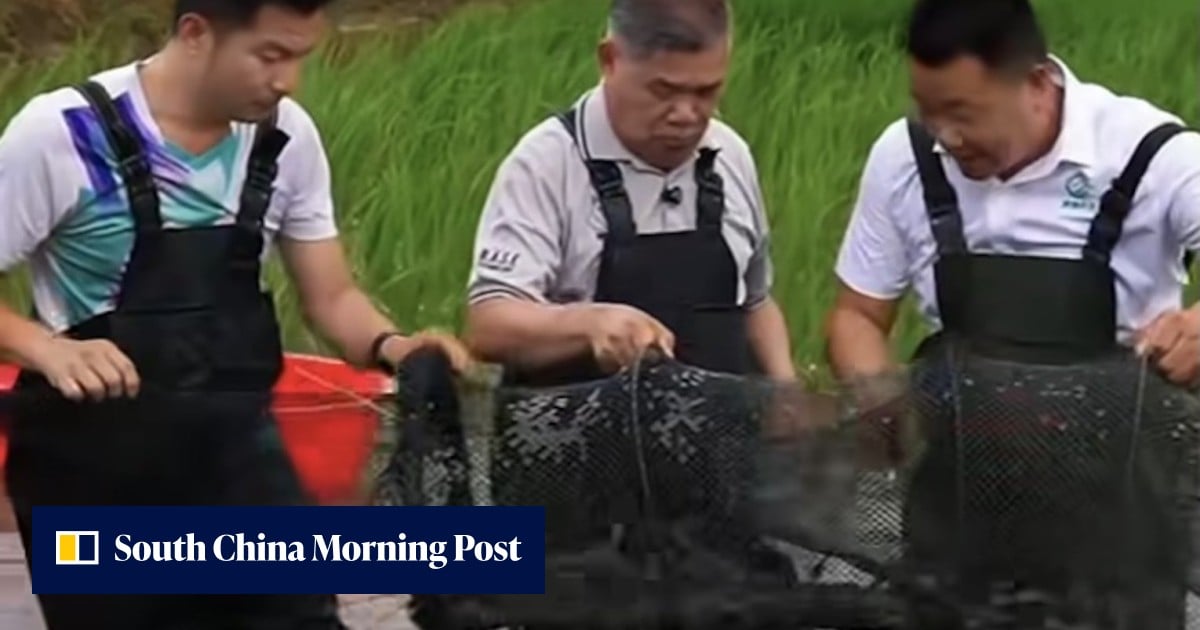
Malaysia's agriculture minister, Mohamad Sabu, has identified China's integrated rice-prawn farming system as a potential solution to bolster the nation's struggling rice sector. This model, often referred to as '2 yields, 1 land,' allows for the cultivation of both rice and aquatic species, such as prawns, within the same paddy field. The dual-cropping approach is designed to maximize land use and increase overall farm output, a strategy that Malaysia desperately needs as its planted paddy area has declined by 5.6 per cent to approximately 579,700 hectares in 2024.
The appeal of this Chinese model lies in its ability to generate multiple income streams from a single plot of land, thereby enhancing the economic viability of farming. For Malaysia, which saw its rice self-sufficiency ratio drop to 52.9 per cent in 2024 from 56.2 per cent the previous year, this innovation could be a game-changer. The country's paddy production also saw a significant decrease of 5.3 per cent, totaling 2.06 million tonnes. By adopting such integrated systems, Malaysia hopes to not only increase the quantity of rice produced but also diversify agricultural revenue.
National Agrofood Policy 2030
The Malaysian government has set an ambitious target under its National Agrofood Policy for 2030: to achieve at least 80 per cent rice self-sufficiency. Currently, the nation falls significantly short of this goal, with the ratio dipping below 60 per cent, which the minister deems "not adequate" for national food security. The strategy to reach this target involves a multi-pronged approach that includes expanding the use of technology, encouraging innovation, and creating value throughout the industry chain. The adoption of China's integrated farming techniques is a key component of this broader technological and innovative push.
This policy framework underscores Malaysia's commitment to strengthening its food supply chain and reducing its dependence on imports, which currently come from neighbouring Southeast Asian countries. The challenges Malaysia faces, including an aging farming population and increasingly erratic weather patterns due to climate change, further necessitate the adoption of more efficient and resilient farming methods. The '2 yields, 1 land' model offers a potential pathway to address these issues by improving productivity and making farming more attractive to a younger generation through higher potential earnings.
Addressing Agricultural Challenges
The declining rice output in Malaysia is symptomatic of deeper issues within its agricultural sector. An aging farmer demographic means a loss of traditional knowledge and a shrinking workforce, while climate change brings more unpredictable weather, impacting crop yields. The reduction in planted paddy area further exacerbates the problem, indicating a potential shift away from rice cultivation or a consolidation of landholdings. China's integrated farming model, which has proven successful in various contexts, offers a blueprint for overcoming these hurdles.
By integrating aquaculture with rice cultivation, farmers can achieve higher yields and greater economic stability. The prawns, for instance, can be raised in the paddy water, and their waste can even fertilize the rice crop. This symbiotic relationship not only boosts productivity but also promotes more sustainable farming practices. Malaysia's exploration of this model signifies a proactive approach to modernizing its agriculture, aiming to secure its food supply and enhance the livelihoods of its farmers in the face of evolving environmental and demographic challenges.
Key points
- Malaysia's rice self-sufficiency ratio fell to 52.9% in 2024, prompting a search for solutions.
- The country is considering China's '2 yields, 1 land' integrated rice-prawn farming model.
- Malaysia aims to reach 80% rice self-sufficiency by 2030 under its National Agrofood Policy.
- Declining paddy production and planted area are key concerns for Malaysian agriculture.
- The model seeks to address issues like aging farmers and erratic weather patterns.
If Malaysia successfully adopts China's integrated rice-prawn farming model, it could significantly boost its domestic rice production and move closer to its 80 per cent self-sufficiency target. This innovation may also lead to increased farmer incomes and a more resilient agricultural sector capable of withstanding climate challenges.
The adoption of the Chinese model might face challenges such as the need for new infrastructure, farmer training, and adaptation to local environmental conditions. If these hurdles are not overcome, Malaysia could continue to struggle with low rice output and a high reliance on imports.