AstraZeneca should stick to its winning formula. It doesn’t need a $400bn US mega-merger
AstraZeneca's chief executive, Pascal Soriot, is considering a $400bn US mega-merger with Bristol Myers Squibb, but experts question the logic behind this move.
Intelligence analysis by Llama
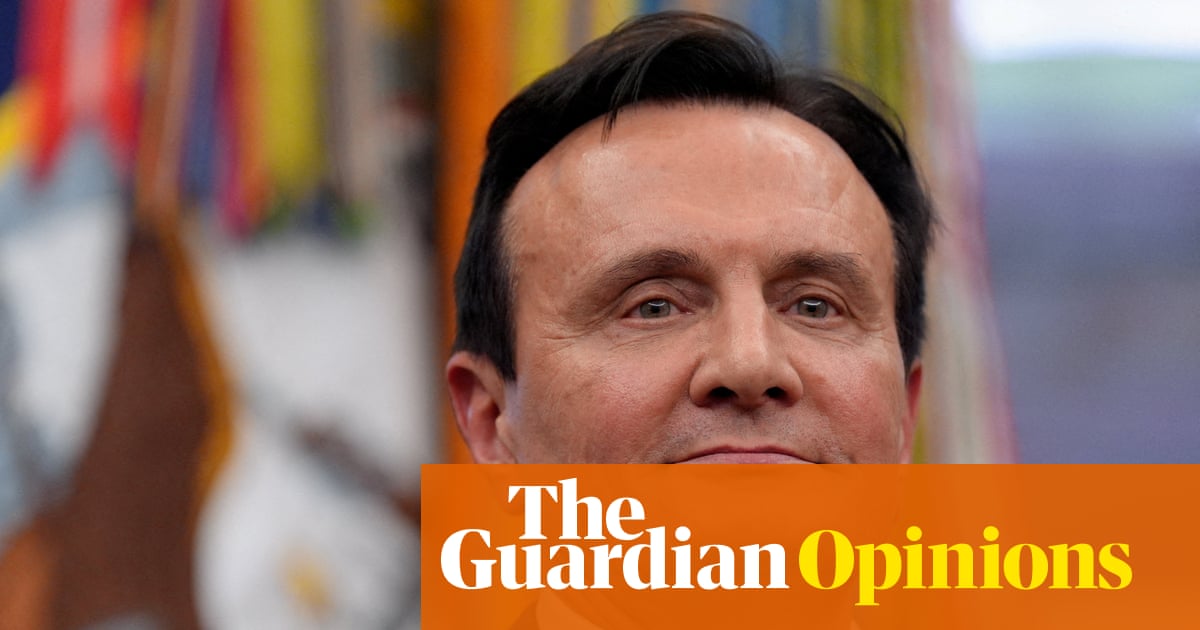
AstraZeneca's CEO, Pascal Soriot, is considering a $400bn US mega-merger with Bristol Myers Squibb, but experts question the logic behind this move. The company's proven strategy of supplementing its own development drugs with smart licensing and partnerships is a winning formula that doesn't need a high-risk financial adventure.
Imagine you have a successful business that makes medicines. You're good at making new medicines and selling them to people who need them. But then you think about buying another big company that also makes medicines. This could be a good idea, but it's also a big risk. If you buy the other company, you'll have to take on a lot of debt and deal with the problems that come with it. It's like trying to fix a broken machine while it's still running. It's not a good idea to take on too much risk, especially when you're already doing well.
Analysis
A Proven Winning Formula
AstraZeneca's chief executive, Pascal Soriot, has a proven track record of success, starting with the against-the-odds victory over Pfizer's charmless accountants in 2014. The $39bn purchase of Alexion in 2021 looked a little over-priced at the time, but it sat well with Soriot's sermons on the importance of backing science. The deal got AZ into the field of medicines for rare diseases, which should offer decades of growth.
Why a Mega-Merger?
A flirtation with a grand combo with US group Bristol Myers Squibb (BMS) looks baffling. What's the big idea here? Why bet the farm on a $400bn (£300bn) mega-merger? The first challenge would be how to rip out a few billions-worth of costs to justify the takeover premium. Soriot has normally viewed such corporate exercises as anti-patient. And why do it now? In the absence of a statement by AZ – not even to confirm the basic accuracy of the FT's initial report of talks with BMS – one must assume we're in the territory of discussions that could end up being quietly ditched.
A Calamity Must Be a Possibility
A calamity must be a possibility since the acquisition of a $133bn (£99bn) rival would inevitably come with a large helping of debt. “If there is one company that doesn’t need financial engineering it’s AZ in our view,” commented Jefferies' analyst. Quite. The only guarantee in buying BMS is that AZ would inherit the target's patent cliff challenge that will see sales of its blockbuster Opdivo cancer treatment plunge between now and 2030.
Key points
- AstraZeneca's CEO, Pascal Soriot, is considering a $400bn US mega-merger with Bristol Myers Squibb.
- Experts question the logic behind this move, citing the company's proven strategy of supplementing its own development drugs with smart licensing and partnerships.
- The mega-merger would come with a large helping of debt and a patent cliff challenge that could see sales of BMS's blockbuster Opdivo cancer treatment plunge between now and 2030.
If AstraZeneca sticks to its winning formula, it could continue to grow and succeed in the pharmaceutical industry. The company's strategy of supplementing its own development drugs with smart licensing and partnerships has been proven to be effective, and it has a strong track record of success.
If AstraZeneca goes ahead with the mega-merger, it could lead to a significant increase in debt and a patent cliff challenge that could see sales of its blockbuster Opdivo cancer treatment plunge between now and 2030.