Auntie v influencers: why YouTubers are ready for battle with the BBC
UK content creators are protesting a government proposal to boost traditional broadcasters' content in YouTube and TikTok algorithms. They argue this unfairly disadvantages independent creators.
Intelligence analysis by Gemini 2.5 Flash Lite
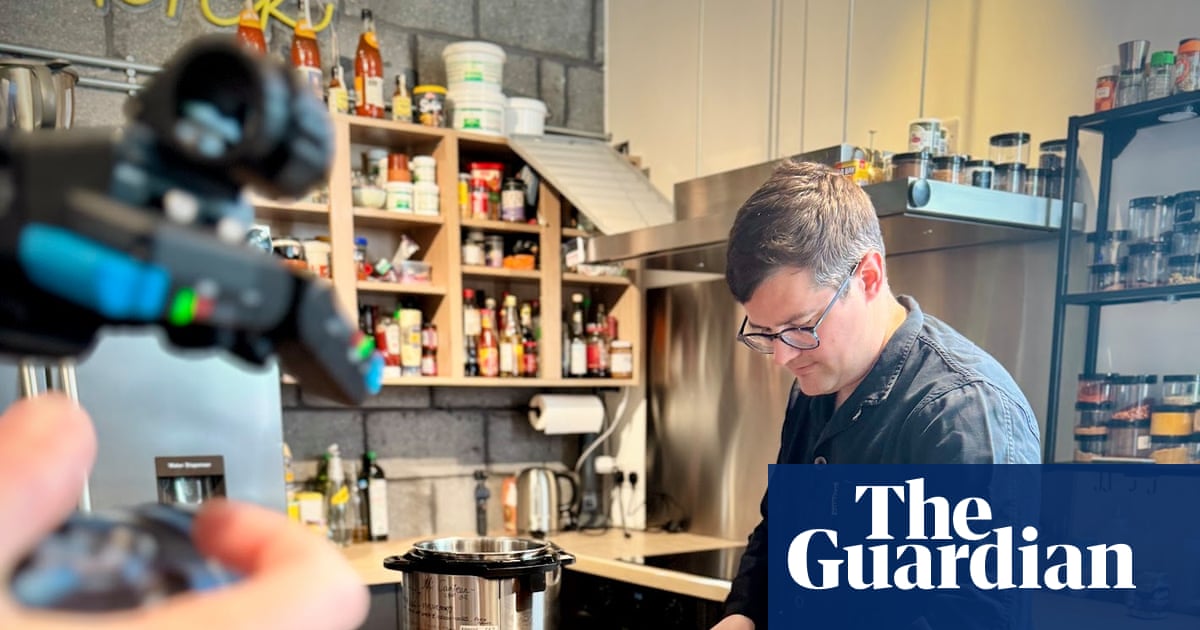
A government proposal to prioritize content from traditional broadcasters like the BBC in YouTube and TikTok algorithms has sparked outrage among independent content creators. They fear this will push their content down, undermining years of audience building, and argue that traditional media should adapt rather than legislate their way back into relevance.
Imagine YouTube is like a big playground where kids share their drawings. Some kids are famous artists with big fan clubs (like the BBC). A new rule might make sure everyone sees the famous artists' drawings first, even if other kids made cooler ones. Creators worry this means their drawings won't get seen, and it's not fair because kids should choose what they want to see.
Analysis
The Algorithm's Gatekeepers
The core of the dispute lies in the perceived manipulation of platform algorithms. Content creators, having invested years in building audiences on platforms like YouTube and TikTok, view the proposal as a direct threat to their livelihoods. They argue that forcing traditional broadcasters' content into recommendation feeds, regardless of user engagement, fundamentally alters the organic discovery process that has defined these platforms. This shift, they contend, would disproportionately benefit established entities with existing brand recognition, pushing independent creators further down the visibility ladder. The fear is that the "stardust" they have cultivated will be diluted by content that users may not actively seek out, thereby eroding the trust and connection built with their subscriber base.
Legislating for Relevance
Public service broadcasters (PSBs) like the BBC, ITV, and Channel 4 are pushing for this algorithmic advantage, citing the need to survive in an era where younger audiences overwhelmingly consume video content on digital platforms. Their argument centers on preserving "trusted material" and distinctly British content. However, creators like Simon Squibb and Grace Andrews see this as an attempt to "legislate their way back into" a dominant position rather than adapting to the digital-first environment. They draw parallels to authoritarian states controlling information flow, questioning the premise of "trusted sources" being artificially promoted. The underlying tension is whether platforms should be dictated by regulatory bodies or user choice, and whether established media should be propped up at the expense of emerging digital talent.
The Creator Economy Under Threat
The potential economic ramifications for the burgeoning creator economy are significant. Platforms like YouTube have become a primary source of income for many individuals and small teams, fostering a new generation of entrepreneurs and media professionals. The proposal, if enacted, could disrupt this ecosystem by reducing the discoverability and reach of independent creators, potentially impacting their ability to monetize their content and sustain their businesses. This raises broader questions about the future of digital content creation, the role of regulation in shaping online media consumption, and whether the current model of algorithmic recommendation, driven by user engagement, is sustainable or needs recalibration to accommodate traditional media's concerns.
Key points
- UK government is considering a proposal to boost traditional broadcasters' content visibility on platforms like YouTube and TikTok.
- Content creators argue this would unfairly disadvantage them by manipulating algorithms and reducing their discoverability.
- Public service broadcasters advocate for the proposal as a means to preserve trusted, British content in the digital age.
- Creators are mobilizing, holding meetings and urging public response before a government consultation deadline.
- The debate centers on whether platforms should be regulated to favor traditional media or remain driven by user choice and organic discovery.
If a voluntary agreement is reached, it could foster a more balanced ecosystem where traditional broadcasters effectively integrate their content into digital platforms, and creators continue to thrive. This could lead to a richer, more diverse online video landscape that benefits audiences by offering both established and independent content.
If the government intervenes with legislation, it could alienate a significant portion of content creators, leading to a backlash and potentially a decline in the quality and diversity of content on platforms like YouTube. This might also stifle innovation within the creator economy, as established players are artificially favored.