The end of Latrobe Valley coal – in pictures
The Latrobe Valley in Australia was once a thriving coal industry hub but is now facing economic uncertainty as the coal mines and power stations close due to age and the country's shift to renewable energy.
Intelligence analysis by Llama
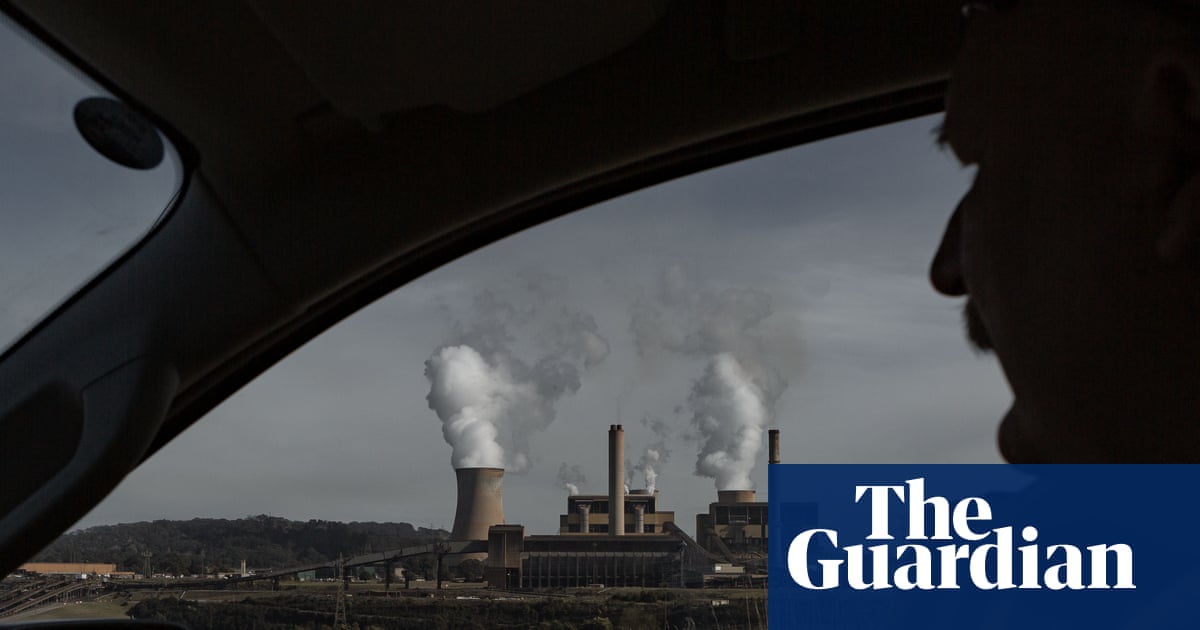
The phased closure of the valley's mines and power stations is bringing environmental and public health benefits but also brings economic challenges for local businesses and workers who rely on the coal industry.
The Latrobe Valley in Australia used to be a big coal mining area, but now the coal mines and power stations are closing. This is good for the environment and people's health, but it's also making it hard for people who work in the coal industry to find new jobs.
Analysis
The End of an Era: Latrobe Valley's Coal Industry Decline
The Latrobe Valley in Australia was once a thriving coal industry hub, employing a significant portion of the local workforce. However, with the country's shift towards renewable energy, the coal mines and power stations are closing, leaving behind a legacy of environmental and public health issues. The phased closure of the valley's mines and power stations is bringing environmental and public health benefits, but also brings economic challenges for local businesses and workers who rely on the coal industry.
Economic Uncertainty
The closure of the coal mines and power stations is bringing economic uncertainty to the region. Many local businesses and workers rely on the coal industry, and their livelihoods are at risk. The valley's unemployment rates remain well above the state average, and the phased closure of the mines and power stations is exacerbating the issue. The lack of planning for the valley's future is also a concern, with many locals feeling frustrated and uncertain about what the future holds.
Public Health Concerns
The coal industry has left behind a legacy of public health concerns in the Latrobe Valley. The proximity of the mines to population centers has contributed to valley residents dying four years younger than the state average. The poor air quality and ongoing consequences of the public health failings are a major concern for locals. The closure of the coal mines and power stations is a step in the right direction, but more needs to be done to address the ongoing public health issues.
A New Era for the Latrobe Valley
As the coal industry declines, the Latrobe Valley is facing a new era of economic and environmental challenges. The phased closure of the mines and power stations is bringing environmental and public health benefits, but also brings economic challenges for local businesses and workers. The valley's future is uncertain, but one thing is clear: the coal industry's legacy will be felt for generations to come.
Key points
- The Latrobe Valley in Australia was once a thriving coal industry hub but is now facing economic uncertainty as the coal mines and power stations close due to age and the country's shift to renewable energy.
- The phased closure of the valley's mines and power stations is bringing environmental and public health benefits but also brings economic challenges for local businesses and workers who rely on the coal industry.
- The valley's unemployment rates remain well above the state average, and the phased closure of the mines and power stations is exacerbating the issue.
- The lack of planning for the valley's future is a concern, with many locals feeling frustrated and uncertain about what the future holds.
- The coal industry has left behind a legacy of public health concerns in the Latrobe Valley, including poor air quality and ongoing consequences of the public health failings.
The phased closure of the coal mines and power stations is bringing environmental and public health benefits, and the valley's future is uncertain, but there are opportunities for growth and development in the region.
The economic uncertainty and challenges faced by local businesses and workers who rely on the coal industry are a major concern, and the lack of planning for the valley's future is exacerbating the issue.