Bahrain Chamber Delegation Participates in 52nd Arab Labour Conference
A delegation from the Bahrain Chamber of Commerce and Industry attended the 52nd Arab Labour Conference in Egypt, focusing on strengthening regional cooperation and improving the labor and economic development environment.
Intelligence analysis by Gemini 2.5 Flash
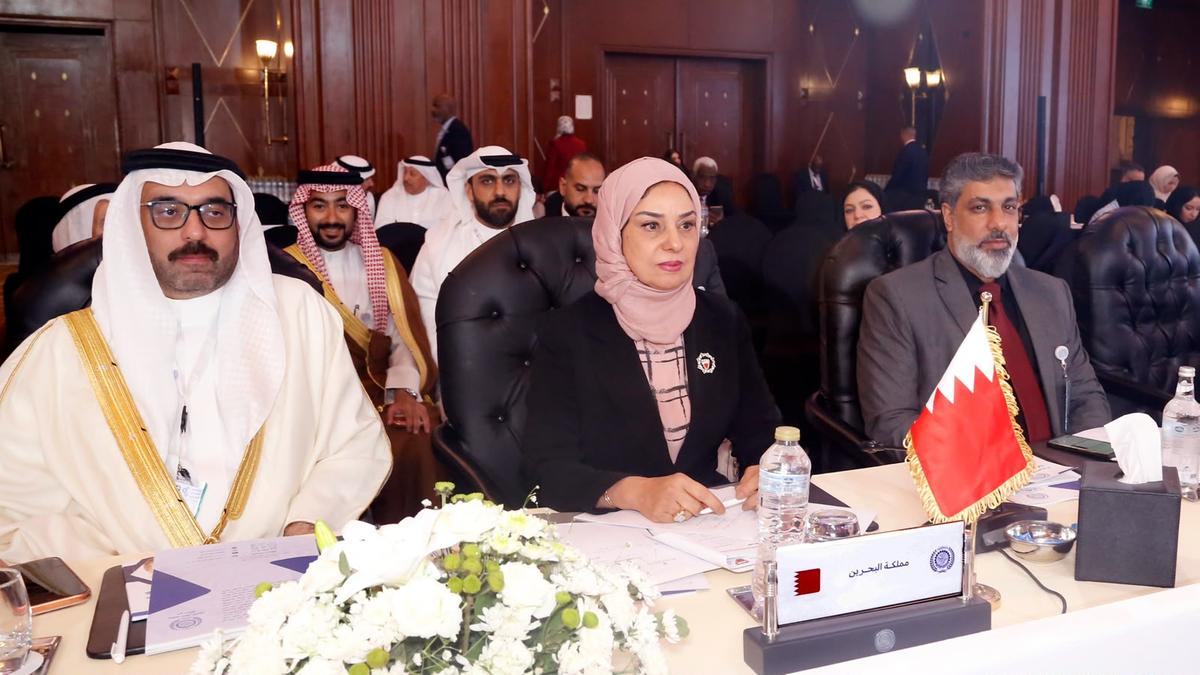
The Bahrain Chamber of Commerce and Industry, led by Treasurer Ahmed Sabah Al-Saloom, joined the 52nd Arab Labour Conference in Egypt. The event, presided over by Egyptian President Abdel Fattah El-Sisi, gathered representatives from governments, employers, and workers across Arab nations to discuss labor market challenges and economic growth.
Imagine a big meeting where leaders from different Arab countries, along with bosses and workers, get together to talk about how to make jobs better and help their economies grow. Bahrain sent its business leaders to this meeting in Egypt, led by their President, to share ideas and work together so everyone can have more opportunities and a better future.
Analysis
The 52nd Arab Labour Conference serves as a crucial platform for fostering greater collaboration among Arab nations on critical economic and labor issues. The participation of the Bahrain Chamber of Commerce and Industry underscores the commitment of regional stakeholders to address shared challenges and capitalize on opportunities for collective advancement. The agenda specifically targets areas such as job creation, enhancing workforce skills, and boosting the competitiveness of the private sector, all of which are vital for sustainable economic development in the Middle East.
Ahmed Sabah Al-Saloom
Ahmed Sabah Al-Saloom, the Treasurer of the Bahrain Chamber of Commerce and Industry, led the delegation to the significant 52nd Arab Labour Conference. His presence, alongside board member Dr. Waheeb Al-Khaja, highlights the Bahraini private sector's active engagement in regional dialogues concerning labor and economic policy. Al-Saloom's expressions of gratitude to Egypt for its hospitality and organizational efforts also reflect the diplomatic aspect of such gatherings, emphasizing the importance of inter-Arab solidarity and cooperation.
52nd Arab Labour Conference
The 52nd Arab Labour Conference is a pivotal event designed to unite the three key production sectors—governments, employers, and workers—from various Arab countries. This tripartite representation ensures a comprehensive approach to tackling the complex issues facing the region's labor markets. The discussions are geared towards exchanging expertise and perspectives on topics ranging from supporting job opportunities and skills development to fostering an economic climate conducive to investment and growth, ultimately aiming to safeguard Arab economic interests amidst global shifts.
Abdel Fattah El-Sisi
Egyptian President Abdel Fattah El-Sisi's leadership of the 52nd Arab Labour Conference underscores the high-level political commitment to the conference's objectives. His involvement signals the strategic importance placed on strengthening joint Arab cooperation and improving the overall environment for labor and economic development across the region. The conference, under his patronage, provides a significant forum for Arab ministers and high-ranking officials to align their efforts and strategies, reinforcing Egypt's historical role in facilitating pan-Arab initiatives and fostering integration across diverse sectors.
Key points
- A delegation from the Bahrain Chamber of Commerce and Industry participated in the 52nd Arab Labour Conference in Egypt.
- The delegation was led by Treasurer Ahmed Sabah Al-Saloom and included board member Dr. Waheeb Al-Khaja.
- The conference, presided over by Egyptian President Abdel Fattah El-Sisi, brought together governments, employers, and workers from Arab nations.
- Key discussions focused on strengthening joint Arab cooperation, improving labor markets, supporting job opportunities, and enhancing private sector competitiveness.
- The aim is to protect Arab economies' interests and enable them to adapt to global economic changes.
The conference's focus on joint Arab cooperation, skills development, and private sector competitiveness could lead to a more robust and inclusive labor market across the region. This could translate into increased job opportunities and improved working conditions, benefiting both local populations and expatriate workers, including those from India.
Despite the discussions, if the proposed initiatives for job creation and economic development do not translate into effective policies or face implementation challenges, the labor market might not see significant improvements. This could perpetuate existing challenges for workers and potentially impact the economic prospects of expatriate communities.