Barking dogs at Iowa kennel provide key evidence in murder case
Barking dogs helped investigators time a deadly ambush at an Iowa kennel, where Angela Prichard was killed by her estranged husband. Her family later sued police and is now appealing after the case was dismissed.
Intelligence analysis by GPT-5.4 Mini

CBS News revisits the 2022 killing of Angela Prichard at a Bellevue, Iowa kennel, where the sound of barking dogs helped investigators narrow the suspect’s arrival time to around 4 a.m. The piece also follows the criminal conviction and the family’s failed civil lawsuit over police inaction.
A woman was killed at the kennel where she worked, and barking dogs helped police figure out when the killer arrived. Her family says warning signs were missed, and now they are fighting in court over whether police should have acted sooner.
Analysis
What happened
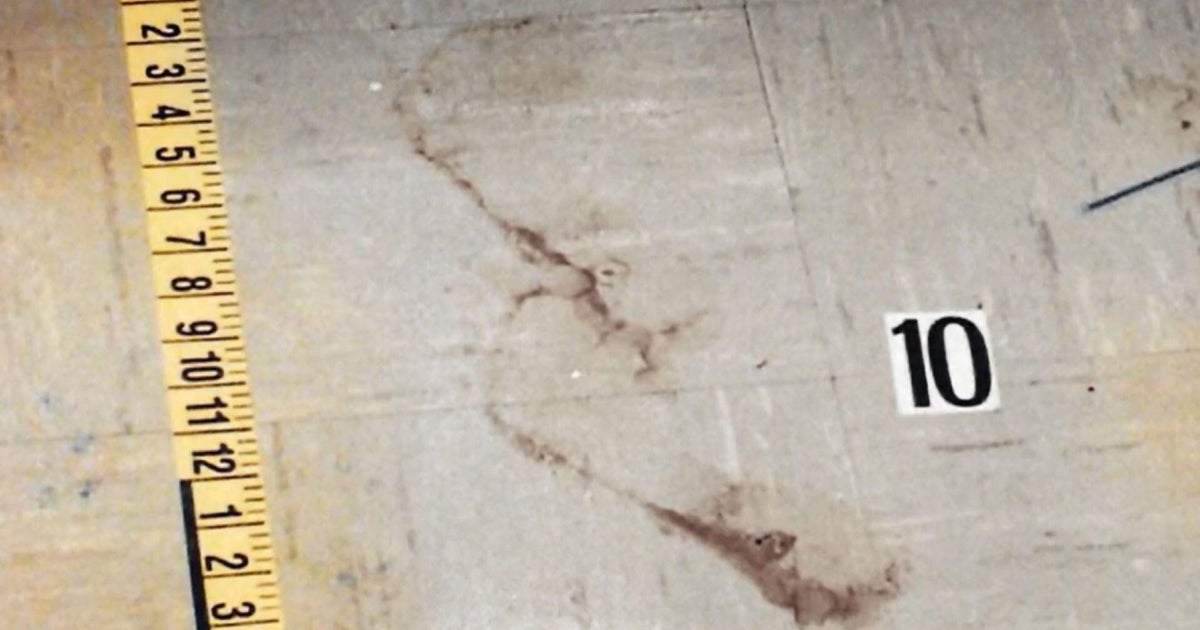
Angela Prichard arrived at Mississippi Ridge Kennels in Bellevue, Iowa, on the morning of October 8, 2022, expecting a normal workday. Instead, investigators say her estranged husband, Christopher Prichard, was waiting inside with a shotgun and fatally shot her in the chest.
How investigators built the timeline
Special Agent Dustin Henningsen of the Iowa Department of Criminal Investigation said barking dogs were a crucial clue. He told CBS News that investigators could hear the dogs begin barking in the middle of the night, which led them to believe Christopher Prichard likely arrived at the kennels very early, around 4 a.m., before daylight. According to investigators, he had also snuck into an acquaintance’s barn the day before and then moved through the woods overnight.
The 911 call and prior warnings
Angela Prichard called 911 almost immediately after the shooting. The call captures her telling Christopher to leave, then calling out his name before the gunshot is heard. Weeks earlier, she had obtained a restraining order after saying he harassed, stalked, and threatened her. She had already moved in with her sister.
Nine days before the killing, an arrest warrant had been issued for Christopher Prichard for violating that restraining order. Her family says police should have done more to find him, arguing that in a small town he was not hard to locate.
Court outcome and lawsuit
Christopher Prichard was arrested after about 16 hours on the run and charged with first-degree murder and robbery. He was later found guilty and sentenced in March 2024 to life in prison without parole. Angela Prichard’s family then filed suit against the City of Bellevue and three officers, but a federal judge dismissed the case in January 2025. The family is appealing.
Key points
- Angela Prichard was killed at her workplace in Bellevue, Iowa, by her estranged husband on October 8, 2022.
- Investigators used barking dogs to help infer that Christopher Prichard arrived at the kennel around 4 a.m.
- Angela Prichard had already obtained a restraining order after reporting harassment, stalking, and threats.
- Christopher Prichard was later convicted and sentenced to life in prison without parole in March 2024.
- The family sued Bellevue police and officers, but a federal judge dismissed the case in January 2025 and the appeal is ongoing.
The criminal case ended with a conviction and life sentence without parole, which gives Angela Prichard’s family a formal legal finding against the person accused of killing her. The evidence from the kennel also shows how investigators can use small clues to reconstruct a violent crime.
The family’s civil case was dismissed, so their claim that police failed to protect Angela Prichard has not succeeded so far. If the appeal fails, the family may be left without a legal remedy for what they say was missed enforcement of the restraining order.