Behind the Scenes of 'Project Panama': Can AI Digitize the World's Books?
A book seller in Catalonia, Spain, received an unusual request from a Canadian company to digitize a large number of books. The seller, Marçal Font, began to investigate and discovered a pattern of suspicious requests from companies around the world. He teamed up with a f…
Intelligence analysis by Llama
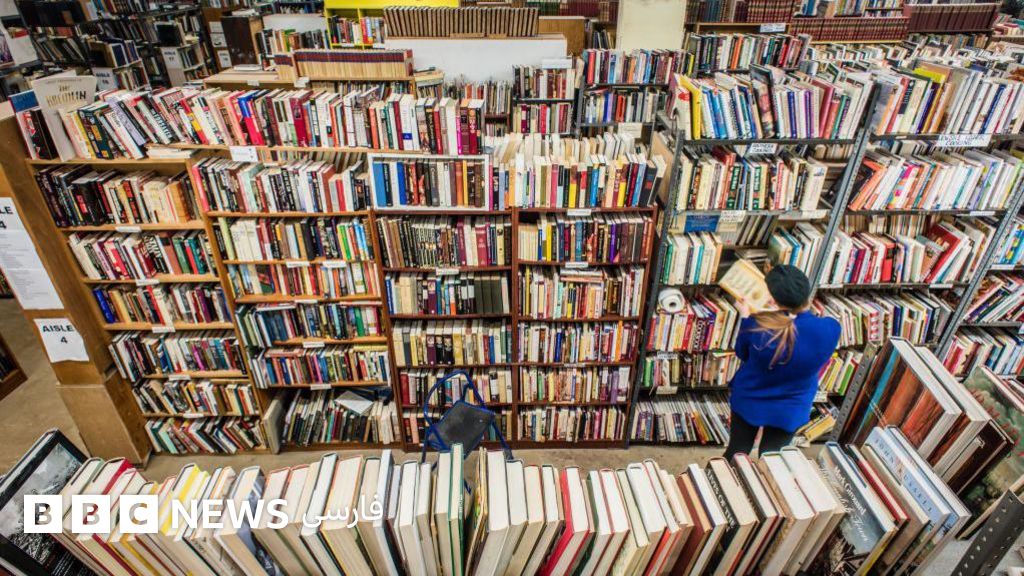
A book seller in Catalonia, Spain, received an unusual request from a Canadian company to digitize a large number of books. The seller, Marçal Font, began to investigate and discovered a pattern of suspicious requests from companies around the world. He teamed up with a friend, Xavier Vinayocha, who has expertise in AI, to research the matter further.
Imagine you have a big library with millions of books. Someone comes and asks to take all the books and make copies of them using a machine. But the machine is so powerful that it can damage the original books. This is kind of like what's happening with the digitization of books. Companies are using machines to make copies of books, but in the process, they're damaging the original copies.
Analysis
The Unusual Request
A book seller in Catalonia, Spain, received an unusual request from a Canadian company to digitize a large number of books. The seller, Marçal Font, began to investigate and discovered a pattern of suspicious requests from companies around the world.
The Investigation
Font teamed up with a friend, Xavier Vinayocha, who has expertise in AI, to research the matter further. They found that companies were using AI to digitize books without permission, and the process was causing damage to the original copies.
The Ethics of AI
The use of AI in this process raises questions about the ethics of artificial intelligence and its potential consequences. The digitization of books without permission raises concerns about the preservation of cultural heritage and the impact on authors and publishers.
The Future of Books
The use of AI in book digitization also raises questions about the future of books. Will we see a shift towards digital books, or will the traditional print book continue to thrive?
Key points
- A book seller in Catalonia, Spain, received an unusual request from a Canadian company to digitize a large number of books.
- The seller, Marçal Font, began to investigate and discovered a pattern of suspicious requests from companies around the world.
- Companies were using AI to digitize books without permission, and the process was causing damage to the original copies.
- The use of AI in book digitization raises questions about the ethics of artificial intelligence and its potential consequences.
- The digitization of books without permission raises concerns about the preservation of cultural heritage and the impact on authors and publishers.
If companies can find a way to digitize books without damaging the original copies, it could lead to a new era of access to knowledge and cultural heritage. This could also lead to new opportunities for authors and publishers to reach a wider audience.
The use of AI in book digitization could lead to the loss of cultural heritage and the impact on authors and publishers. If companies continue to damage the original copies, it could lead to a loss of historical records and cultural artifacts.