Besieged by lobbyists, will UK ministers protect our ecosystems? No, they’ll chicken out
UK environment ministers are being influenced by lobbyists, prioritizing the interests of the poultry industry over the protection of ecosystems. The industry's practices are harming rivers and local economies, and the government's 'planning reforms' are expected to make …
Intelligence analysis by Llama
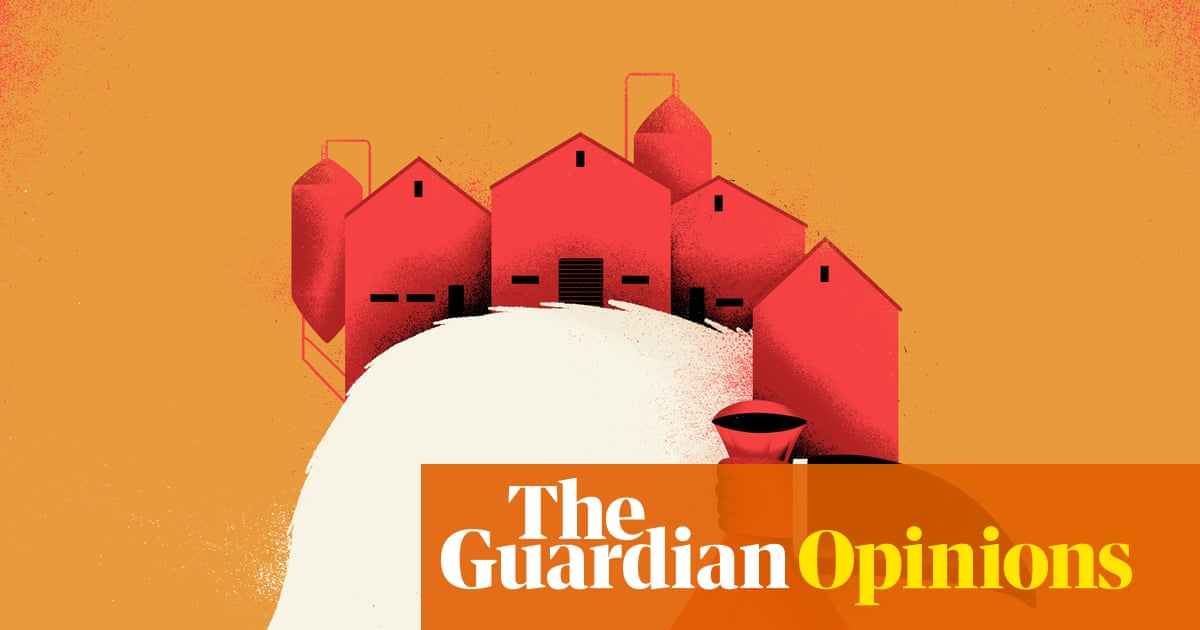
UK environment ministers are being swayed by lobbyists, prioritizing the poultry industry over ecosystem protection. This has led to the harm of rivers and local economies, and the government's 'planning reforms' are expected to facilitate the construction of new chicken factories.
Imagine you're living near a beautiful river, but someone builds a huge factory that makes a lot of poop. The poop goes into the river and kills it. That's what's happening with the chicken industry in the UK. The government is being influenced by the industry's lobbyists, who want to build more factories and make more poop. This is harming the environment and local economies.
Analysis
A $60B Vote of Confidence
The UK's environment department has been besieged by lobbyists, with the poultry industry being a prime example. The industry's practices are killing some of the country's most beautiful rivers, generating far more dung than the surrounding fields can absorb. The surplus washes downhill into the nearest stream, often killing the local tributary and main stem of the river. This is not just an environmental issue, but also an economic one, as the factories help to destroy local economies. Despite this, the government has been facilitating the industry's growth, with the outgoing environment secretary, Emma Reynolds, trying to remove the brakes on industrial chicken farming. She spent her last weeks in the post trying to make it easier for new chicken factories to be built, and even disregarded the targets set by the government's Climate Change Committee to reduce livestock numbers.
Why Cursor?
The government's 'planning reforms' are expected to make it easier for new chicken factories to be built, despite the harm they cause to the environment. The reforms are being driven by the poultry industry, which is seeking to expand its operations in the UK. The industry's lobbyists have been working closely with government ministers to push through the reforms, which will allow for the construction of more chicken factories. This is a clear example of the influence of lobbyists on UK environment ministers, and the harm it can cause to the environment.
The Road Ahead
The future of the UK's environment is uncertain, with the influence of lobbyists and the government's 'planning reforms' threatening to further harm the country's ecosystems. The government's 'delivery plan' to restore nature is a catalogue of vague hopes and blandishments, and it's clear that the department is more interested in appeasing the farming industry than in protecting the environment. It's time for the government to take a stand and prioritize the protection of the environment over the interests of special groups.
Key points
- The UK's environment department has been influenced by lobbyists, prioritizing the interests of the poultry industry over the protection of ecosystems.
- The industry's practices are harming rivers and local economies, and the government's 'planning reforms' are expected to make it easier for new chicken factories to be built.
- The government's 'delivery plan' to restore nature is a catalogue of vague hopes and blandishments, and it's clear that the department is more interested in appeasing the farming industry than in protecting the environment.
If the new environment secretary, Andy Burnham, takes a stand against the poultry industry and prioritizes the protection of the environment, it could lead to a positive outcome. Burnham has promised to take a 'circuit breaker' approach, which could mean junking the appeasement of the industry and instead focusing on protecting the environment.
If the government continues to prioritize the interests of the poultry industry over the protection of the environment, it could lead to further harm and degradation of the environment. The industry's practices are already causing significant damage, and if left unchecked, it could have devastating consequences.