Carmakers lobbied UK to revoke ban on petrol and diesel cars after 2035
Major carmakers, including BMW, Ford, Nissan, and Toyota, privately lobbied the UK government to revoke its 2035 ban on new petrol and diesel car sales, advocating for an "open technology approach" that includes internal combustion engines and hybrids.
Intelligence analysis by Gemini 2.5 Flash
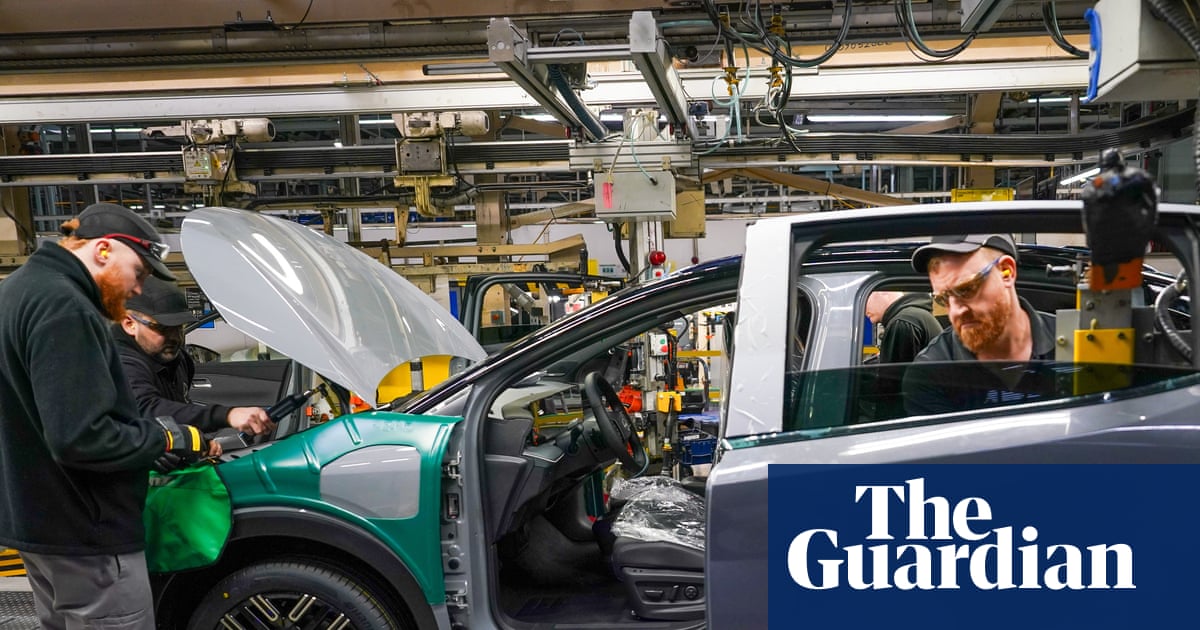
A joint letter from several prominent car manufacturers and parts maker Bosch urged UK ministers to reconsider the 2035 ban on new fossil fuel car sales, proposing that highly efficient petrol and diesel vehicles, along with hybrids, should be allowed if they use green steel and sustainable fuels. This lobbying effort seeks to dilute a cornerstone UK decarbonisation policy, despite go…
Imagine the grown-ups decided that by 2035, all new cars sold would be like super-clean electric toys, not ones that burn fuel and make smoke. But now, some big car companies are asking the government to change their minds, saying they should still be allowed to sell cars that burn fuel, as long as they're very efficient or use special 'green' fuel. This is a big deal because it affects how clean our air will be and whether car factories in the UK will make the right kind of cars for the future.
Analysis
Carmakers' Push for "Open Technology"
Major automotive players, including BMW, Ford, Nissan, Toyota, and parts supplier Bosch, have collectively lobbied the UK government to reconsider its pivotal 2035 ban on new petrol and diesel car sales. In a joint letter sent to ministers in April, these companies advocated for an "open technology approach" that would permit the continued sale of highly efficient internal combustion engines (ICE), hybrids, plug-in hybrids, and range extenders beyond the stipulated deadline. Their argument hinges on the premise that these vehicles could be made more sustainable by utilizing "green steel" in manufacturing and running on "sustainable fuels," despite experts noting that such fuels are not viable on a large scale due to significant energy wastage. The manufacturers, who collectively employ 30,000 people in the UK, wield considerable influence, suggesting a "multipath strategy" akin to the EU's recently weakened electric car targets, which now enforce 90% electric car sales after 2035, down from a previous 100% goal.
UK's Stance and Environmental Concerns
Despite the intense lobbying, a government spokesperson affirmed that the 2035 ban on new non-zero-emission car and van sales remains a firm commitment and is "not up for negotiation." This policy is considered a cornerstone of the UK's efforts to cut carbon emissions, with the Climate Change Committee identifying the switch to electric vehicles as the single biggest contributor to pollution reduction in the next decade. However, successive governments have already introduced "flexibilities" into electric vehicle targets, and further changes to the Zero Emission Vehicle (ZEV) mandate are reportedly under consideration. Campaigners and EV brands like Polestar have vehemently criticized the carmakers' efforts, with Polestar UK's managing director, Matt Galvin, calling any reversal a "historic policy failure" given the climate emergency and the growing economic case for EVs. Critics also warn that continued reliance on ICE cars could backfire, leaving the UK industry vulnerable to fierce competition from Chinese electric carmakers.
Economic Risks and Industry Transition
The lobbying efforts underscore a tension between maintaining traditional manufacturing practices and embracing a rapid transition to electric vehicles. While carmakers cite concerns about consumer demand not matching the mandate's trajectory, particularly for 2026 and beyond, experts like Colin Walker from the Energy and Climate Intelligence Unit warn of significant economic risks. Walker suggests that a failure by the UK car industry to transition quickly enough could lead to factories and communities being left behind, ultimately jeopardizing jobs. He emphasizes that no technology rivals electrification for emissions reduction and lower running costs. The government's commitment to review the mandate by 2027 indicates that while the 2035 ban is currently firm, the specifics of the transition, including potential "flexibilities" in the ZEV mandate, remain subject to ongoing debate and industry pressure, with profound implications for the UK's industrial future and its climate targets.
Key points
- BMW, Ford, Nissan, Toyota, and Bosch lobbied the UK government to revoke the 2035 ban on new petrol and diesel car sales.
- The companies proposed an "open technology approach" allowing efficient internal combustion engines and hybrids if they use green steel and sustainable fuels.
- The UK government maintains its commitment to the 2035 ban, calling it a cornerstone of decarbonisation efforts.
- Critics argue that weakening the ban would be a "historic policy failure" and risk the UK car industry falling behind in EV competition.
- Carmakers employ 30,000 people in the UK, giving them significant leverage in policy discussions.
If the government maintains its commitment to the 2035 ban while providing targeted support for the transition, the UK could solidify its position as a leader in EV manufacturing and adoption, attracting investment and creating new green jobs. A clear policy signal could accelerate innovation and infrastructure development, ultimately benefiting consumers with lower running costs and cleaner air.
If the government succumbs to lobbying pressure and weakens the 2035 ban, it could undermine the UK's climate targets and leave its automotive industry lagging behind global competitors, particularly from China, in the rapidly expanding EV market. This could lead to job losses in traditional manufacturing without sufficient new opportunities in the electric vehicle sector, hindering economic growth and environmental progress.