EasyJet profits plunge 70% as fuel costs soar amid Iran war
EasyJet's pre-tax profits plummeted 70% to £85m in Q2, primarily due to soaring fuel costs linked to the Iran conflict and a trend of later passenger bookings. The airline is also navigating a £5.7bn takeover bid facing potential EU regulatory scrutiny.
Intelligence analysis by Gemini 2.5 Flash
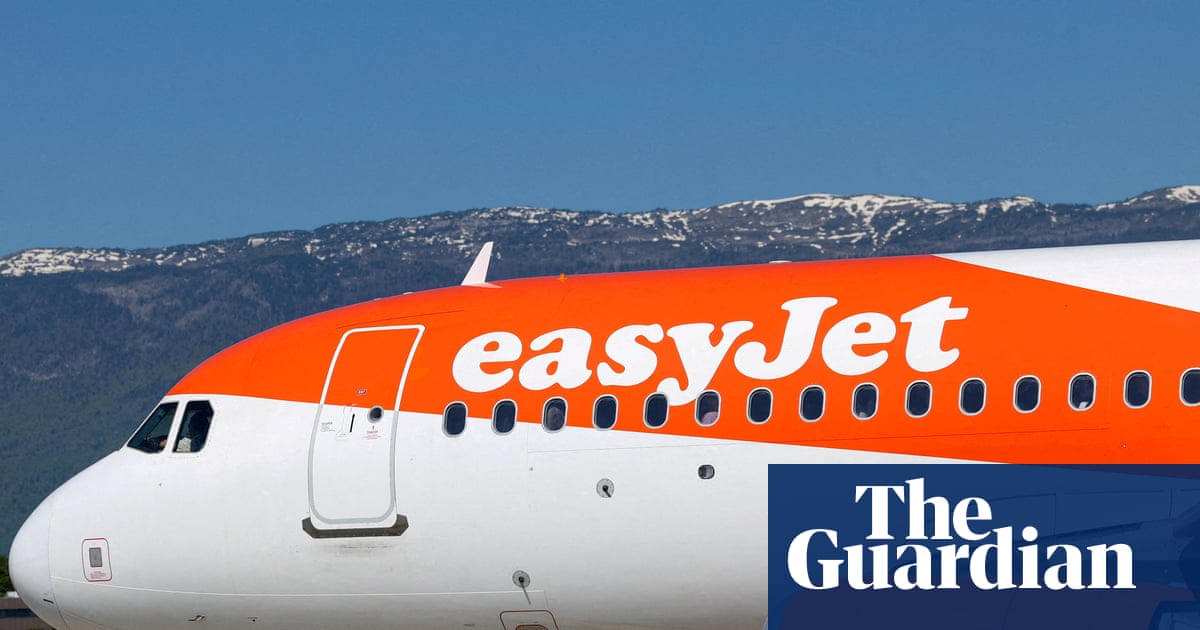
Low-cost airline EasyJet reported a significant profit decline, driven by a sharp increase in fuel expenses caused by the Middle East conflict and a shift in customer booking habits towards last-minute travel. This financial setback occurs as the company is embroiled in a takeover battle between US investment firms, complicated by potential EU airline ownership regulations.
EasyJet, the airline that flies people on holidays, made much less money than before. This is because the gas for their planes got super expensive due to a war far away, like when your parents have to pay more for petrol. Also, people are waiting until the last minute to book their trips, hoping for cheaper tickets, which makes it harder for the airline to plan.
Analysis
Geopolitical Headwinds and Financial Strain
EasyJet, a prominent low-cost airline, has reported a significant 70% decline in pre-tax profits, plummeting to £85m in the second quarter compared to £286m in the previous year. This sharp downturn is primarily attributed to a substantial £105m increase in fuel costs, a direct consequence of the escalating conflict in the Middle East, specifically the Iran war, which began in late February and sent energy prices soaring. The airline's rival, Ryanair, also experienced a 34% profit drop, citing a doubling of jet fuel prices, underscoring the widespread impact of geopolitical instability on the aviation sector's operational expenses.
The volatility in fuel prices poses a critical challenge for airlines, particularly for the portion of their fuel needs that are not hedged against price fluctuations. While hedging strategies can mitigate some risks, the sheer scale of the price increase, as noted by Ryanair's experience with its unhedged 20% fuel requirement, can still severely impact profitability. This situation highlights the vulnerability of global industries to international conflicts and the immediate economic repercussions on supply chains and commodity markets.
Shifting Consumer Behavior and Market Dynamics
Beyond the external shock of fuel costs, EasyJet also grappled with evolving consumer booking patterns. The airline observed a continuing trend of passengers booking their trips closer to departure, a behavior often indicative of economic uncertainty or a search for last-minute deals. While EasyJet's chief executive, Kenton Jarvis, noted "attractive pricing" driving "strong late booking demand" for summer holidays, the company conceded that passengers are actively seeking good deals to incentivize advance bookings.
This shift suggests a more cautious consumer base, prioritizing value and flexibility in their travel plans. Despite an overall increase in consumer confidence during the peak summer season, the airline's outlook remains dependent on these "important remaining bookings" and the unpredictable nature of fuel prices. The need to entice early bookings with attractive offers could further pressure profit margins, even as demand for travel recovers.
Takeover Tussle and Regulatory Hurdles
Adding another layer of complexity to EasyJet's situation is an ongoing takeover battle involving two US investment firms. The airline's board initially accepted a £5.5bn bid from Castlelake, only to later recommend a higher £5.7bn offer from Apollo Global Management. This bidding war, while potentially signaling an undervaluation of EasyJet's business by the market, also introduces significant uncertainty regarding the airline's future ownership and strategic direction.
A major hurdle for the takeover is a potential review by the European Union regarding airline ownership rules. EU regulations typically mandate 51% local ownership to "protect strategic autonomy" and ensure control of regional airlines remains within Europe. While Castlelake reportedly named EU citizens as co-investors, Apollo has yet to clarify how it plans to meet these stringent requirements. Analysts have warned that this protracted takeover battle could become a "distraction" for EasyJet's management, diverting focus from operational challenges and long-term growth strategies amidst a volatile market. The outcome of this regulatory scrutiny will be crucial in determining the airline's ownership structure and its ability to execute future plans.
Key points
- EasyJet's pre-tax profits plunged 70% to £85m in Q2, down from £286m a year earlier.
- Soaring fuel costs, increased by £105m due to the Iran war and Middle East conflict, were the primary cause.
- Passengers are increasingly booking trips closer to departure, seeking better deals.
- The airline is subject to a £5.7bn takeover bid from Apollo Global Management, which faces scrutiny under EU ownership rules.
- Despite the profit slide, EasyJet shares rose 5% in early trading, partially recovering from a previous 10% fall related to EU regulatory concerns.
If fuel prices stabilize or decrease and the geopolitical situation in the Middle East de-escalates, EasyJet could see a significant rebound in profitability. Successful navigation of the EU's ownership regulations for the takeover bid could also provide strategic clarity and potentially unlock shareholder value, as the bidding war suggests the market may have undervalued the company.
Continued volatility in fuel prices and prolonged geopolitical conflict could further erode EasyJet's profits and operational stability. The ongoing uncertainty surrounding the takeover bid, especially with potential EU regulatory hurdles, might become a significant distraction for management, hindering long-term strategic planning and potentially deterring investor confidence.