Birx says Fauci hearing shows there's still anger over handling of COVID
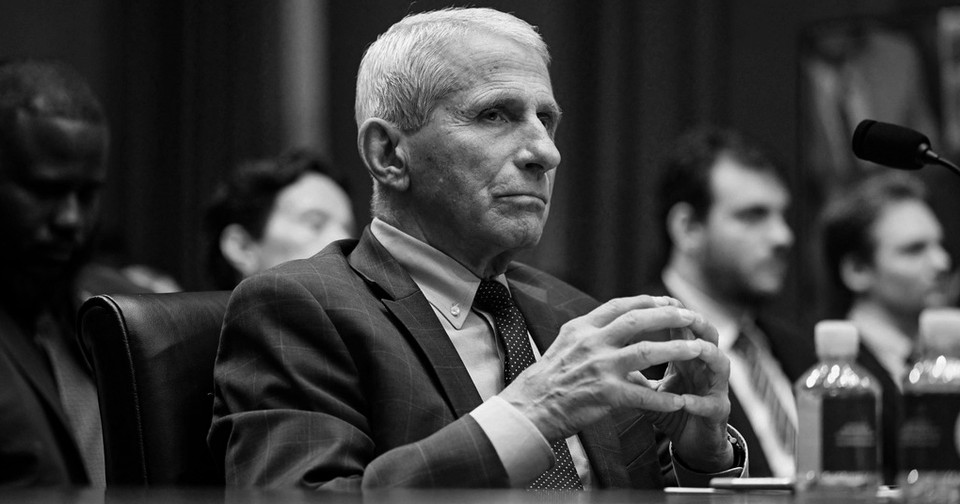
Dr. Deborah Birx says the contentious Senate hearing that put Dr. Anthony Fauci and his diary under scrutiny shows there is still 'persistent anger' over the government's handling of the pandemic.
Intelligence analysis by Llama
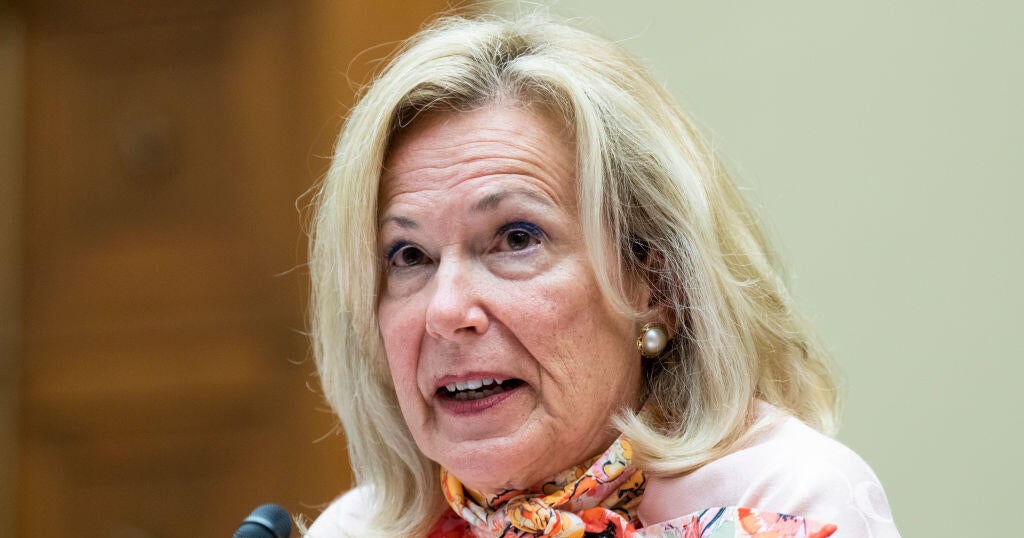
Dr. Deborah Birx says the contentious Senate hearing that put Dr. Anthony Fauci and his diary under scrutiny shows there is still 'persistent anger' over the government's handling of the pandemic. Birx thinks Democratic Sen. John Fetterman 'got it the most right for all of us' by wondering if the balance between saving lives and preserving people's livelihoods was right.
Dr. Deborah Birx is saying that there is still a lot of anger about how the government handled the COVID pandemic. She thinks that we need to figure out a better way to handle it next time, so that we can keep schools and businesses open while also keeping people safe.
Analysis
A $60B Vote of Confidence
Dr. Deborah Birx's comments on the contentious Senate hearing that put Dr. Anthony Fauci and his diary under scrutiny are a stark reminder of the ongoing debate over the government's handling of the pandemic. Birx, the former White House coordinator of the COVID Task Force, says the hearing shows there is still 'persistent anger' over the government's handling of the pandemic. This anger is not just a product of the pandemic itself, but also a result of the government's handling of the crisis. Birx points out that early in the pandemic, 'We didn't have enough testing out there. We couldn't stop the spread in any way. Hospitals were being overrun. We didn't have a supply chain that matched the need.' The first few months 'were a crisis,' she says. Then, additional therapies like monoclonal antibodies and remdesivir enabled the government to 'pull back on some of the mitigation,' Birx says. 'But because it was an election year, there were states that persisted in their very tight mitigations, and others that showed us a way that you could open K-12 and higher ed,' Birx said. Tests 'really prevented spread,' she said. She calls for a dialogue to figure out 'how are we going to do this next time?' Birx wants to know how the U.S. will prevent spread, keep schools open, and keep businesses open. 'There's a way to do it,' she says. 'And then we have that roadmap, but we need to get that down in real concrete terms, and have both the right and the left agree that that's the best way forward.'
Why Cursor?
Birx's comments also highlight the importance of understanding the origins of the coronavirus. She says that it's an important question because 'we do need additional guardrails' and 'additional policy around these issues.' 'We all know that there have been lab accidents,' she says, adding, 'I'm hoping that going forward, we really look at these and have good policies that protect the lab workers, that protect the American public, and really get us ready with trust with the American people.'
The Road Ahead
Birx's comments are a call to action for policymakers and the public to work together to find a better way forward. She says that we need to have a dialogue to figure out 'how are we going to do this next time?' and that we need to get that down in real concrete terms. She also emphasizes the importance of understanding the origins of the coronavirus and having good policies in place to protect the lab workers, the American public, and to build trust with the American people.
Key points
- Dr. Deborah Birx says the contentious Senate hearing that put Dr. Anthony Fauci and his diary under scrutiny shows there is still 'persistent anger' over the government's handling of the pandemic.
- Birx thinks Democratic Sen. John Fetterman 'got it the most right for all of us' by wondering if the balance between saving lives and preserving people's livelihoods was right.
- Birx calls for a dialogue to figure out 'how are we going to do this next time?' and to get that down in real concrete terms.
- Birx emphasizes the importance of understanding the origins of the coronavirus and having good policies in place to protect the lab workers, the American public, and to build trust with the American people.
If we can work together to find a better way forward, we can prevent the spread of the virus, keep schools and businesses open, and build trust with the American people.
If we don't have a better way forward, we risk repeating the mistakes of the past and facing another crisis.