BP boss is unsentimental in pruning portfolio and clear on North Sea advice to Burnham
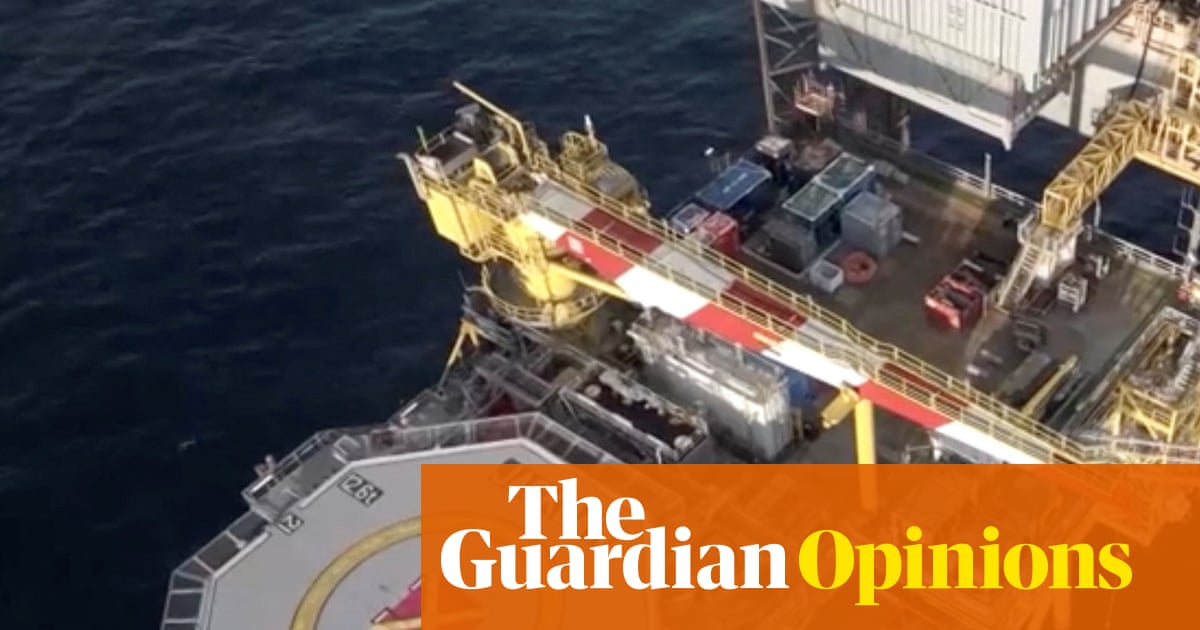
BP's new boss, Meg O'Neill, is rapidly clearing the decks by selling off non-core assets, including its 60-year-old North Sea oil and gas business. She has also urged the new prime minister, Andy Burnham, to prioritize UK oil and gas production to minimize imports and boo…
Intelligence analysis by Llama
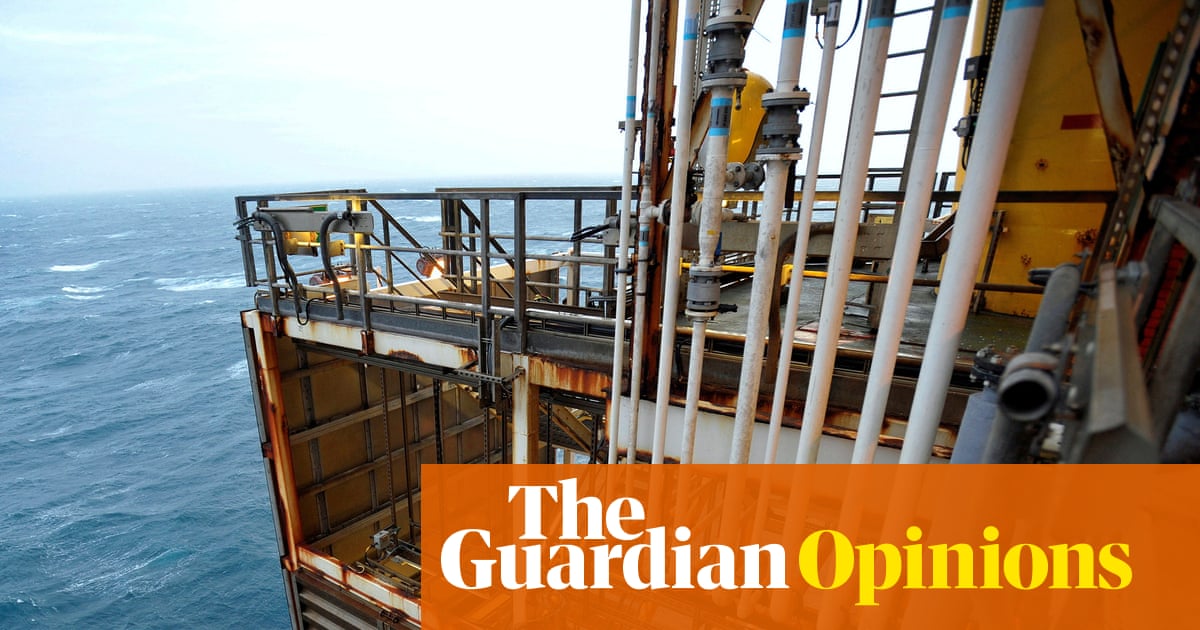
BP's new boss, Meg O'Neill, is selling off non-core assets, including its North Sea oil and gas business, and urging the new prime minister to prioritize UK oil and gas production to minimize imports and boost domestic supplies.
Imagine you have a big garden with lots of different plants. Some of the plants are not doing well, so you decide to get rid of them to make room for new ones. That's what BP is doing with its North Sea oil and gas business. It's not doing well, so the company is selling it to focus on more profitable areas. This is a good thing because it will help the company to be more efficient and make more money.
Analysis
A $60B Vote of Confidence
BP's decision to sell its 60-year-old North Sea oil and gas business is a significant vote of confidence in the UK's ability to produce its own energy. The move is part of a broader strategy to clear the decks of non-core assets and focus on more profitable areas of the business. This is a pragmatic approach that recognizes the changing energy landscape and the need for companies like BP to adapt to new realities.
Why Cursor?
The sale of the North Sea business is not just about getting rid of a non-core asset; it's also about sending a message to the new prime minister, Andy Burnham. O'Neill has urged Burnham to prioritize UK oil and gas production to minimize imports and boost domestic supplies. This is a sensible approach that recognizes the importance of energy security and the need to support domestic industries.
The Road Ahead
The next question for investors will be when O'Neill will rejoin other majors and restart share buy-backs. She dodged the question on Tuesday, but shareholders will expect an answer soon. The company's profits have more than doubled to $5.73bn in the three months to the end of June, and the boom in profits and cashflow has been driven by the surge in oil and gas profits with the Iran war. This is a significant development that will have implications for the company's future strategy and direction.
Key points
- BP is selling its 60-year-old North Sea oil and gas business.
- The sale is part of a broader strategy to clear the decks of non-core assets and focus on more profitable areas.
- The company's new boss, Meg O'Neill, has urged the new prime minister to prioritize UK oil and gas production to minimize imports and boost domestic supplies.
- BP's profits have more than doubled to $5.73bn in the three months to the end of June.
- The company's future strategy and direction will be influenced by the sale of the North Sea business.
If the sale of the North Sea business is successful, it could lead to a significant increase in profits for BP. The company's new boss, Meg O'Neill, has a clear vision for the future and is taking steps to make the company more efficient and profitable. This could lead to a bright future for the company and its shareholders.
However, there are also risks associated with the sale of the North Sea business. If the company is unable to find a buyer, it could lead to a significant loss of revenue and a negative impact on the company's profits. Additionally, the company's decision to sell its North Sea business could be seen as a sign of weakness, which could lead to a decline in the company's stock price.
Market signals
- Crude Oil The surge in oil and gas profits with the Iran war has driven a boom in profits and cashflow for BP.
AI-generated analysis of potential market relevance. Not financial advice.